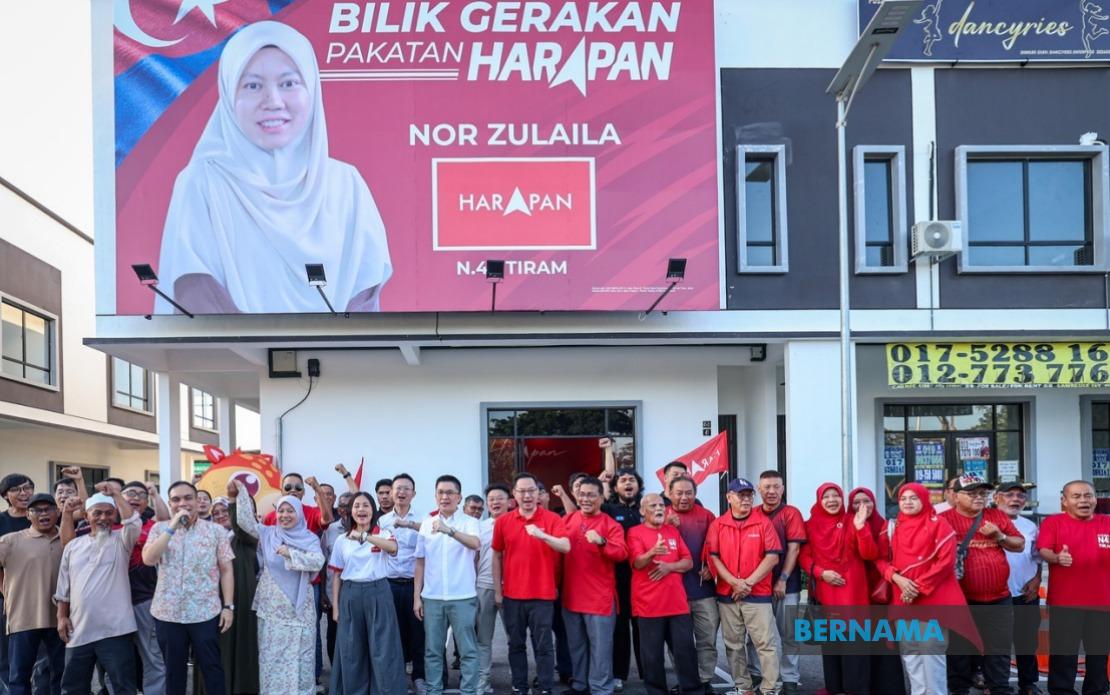
The Malaysian Communications and Multimedia Commission has been tasked with maintaining robust internet infrastructure throughout the Johor state election campaign, with Deputy Communications Minister Teo Nie Ching emphasising the importance of stable connectivity for political mobilisation efforts. Speaking in Pasir Gudang following the launch of a Pakatan Harapan operations room, Teo highlighted that consistent internet access forms a critical backbone for election-related activities, from organising campaign rallies to disseminating information to voters across the state.
Teo's directive reflects the growing recognition that digital infrastructure has become essential to modern political campaigns in Malaysia. The instruction to MCMC focuses particularly on high-traffic areas expected to accommodate substantial crowds, ensuring that campaign organisers can coordinate events and reach voters without facing connectivity disruptions. This proactive approach addresses potential bottlenecks that could impede campaign effectiveness during the crucial weeks leading up to polling day.
The timing of this intervention underscores the technical complexities of managing statewide elections in an increasingly digital political landscape. Voters now expect seamless access to campaign information through multiple channels, while campaign teams require reliable networks to conduct live events, stream content, and coordinate logistics across diverse constituencies. A communications breakdown in strategically important areas could disadvantage candidates and create voter frustration.
Teo, who also serves as Johor DAP chief, reported encouraging signals from grassroots engagement efforts across the state. Early indicators suggest high voter enthusiasm, with preliminary feedback indicating strong turnout intentions even among voters registered in other constituencies. This sentiment reflects voters' commitment to return to their home constituencies to participate in the electoral process, a positive sign for election organisers.
The DAP's strategic positioning for the contest emphasises comprehensive engagement across all 17 seats the party is contesting in Johor. Rather than adopting a traditional approach of concentrating resources on vulnerable seats while maintaining a holding pattern in safer areas, the party has adopted an egalitarian resource allocation philosophy. This strategy reflects lessons from previous campaigns where perceived complacency in strongholds has sometimes resulted in unexpected losses.
Teo's cautionary stance against designating any seat as safely held represents a deliberate rejection of overconfidence. She stressed that treating constituencies differently based on perceived security could encourage campaign teams to reduce their intensity in particular areas, ultimately weakening overall performance. Instead, DAP intends to calibrate its approach according to the specific political dynamics, demographic composition, and local concerns within each constituency, acknowledging that uniform campaigning strategies cannot address diverse community priorities.
The operational timeline for the Johor election remains compressed, with nominations scheduled for immediate processing. Early voting will take place on July 7, followed by the main polling day on July 11, compressing the campaign window considerably. This abbreviated schedule increases pressure on campaign infrastructure and amplifies the importance of efficient communication systems that allow candidates and parties to reach voters rapidly.
There are broader implications for how Malaysian elections now function in the digital age. The election commission and supporting agencies increasingly must consider telecommunications capacity as part of electoral planning, alongside traditional considerations like polling centre locations and voter registration. The MCMC's involvement reflects this shift toward recognising digital infrastructure as integral to democratic participation.
The presence of several senior Pakatan Harapan figures at the operations room launch, including Deputy Education Minister Wong Kah Woh, Bangi MP Syahredzan Johan, and Tebrau MP Jimmy Puah Wee Tse, signalled the coalition's investment in the Johor contest. Nor Zulaila Abdul Ghani, the Pakatan Harapan candidate for the Tiram seat, represents the coalition's attempt to field competitive candidates across the state.
For Malaysian observers, the emphasis on digital infrastructure readiness illuminates how technology now shapes electoral competitiveness. Parties that effectively utilise digital channels to communicate with voters—whether through livestreamed events, rapid response information dissemination, or social media engagement—increasingly gain advantage over those relying solely on traditional campaign methods. The MCMC's role in ensuring technical prerequisites for such activities reflects this reality.
The Johor election will provide insights into voter sentiment during a period of relative political transition and economic adjustment in Malaysia. The state has traditionally been a significant political bellwether, and performance here often influences perceptions of broader national political trajectories. Strong internet coverage ensures that campaign messages reach voters effectively and that voting itself proceeds without technical complications.
For candidates and campaign managers, reliable internet access during the intensive final weeks of campaigning represents a valuable operational asset. It enables rapid coordination between campaign headquarters and field teams, facilitates donor communications, supports volunteer mobilisation, and allows for agile responses to emerging issues. These capabilities have become as essential to modern campaigning as traditional ground presence and personal engagement.
As Malaysia continues its transition toward increasingly digitalised electoral and governance processes, the collaboration between communications regulators and election stakeholders demonstrates institutional recognition of these changing requirements. The Johor contest serves as a practical demonstration of how technical preparation translates into smoother electoral administration and enhanced opportunities for civic engagement across the state.

