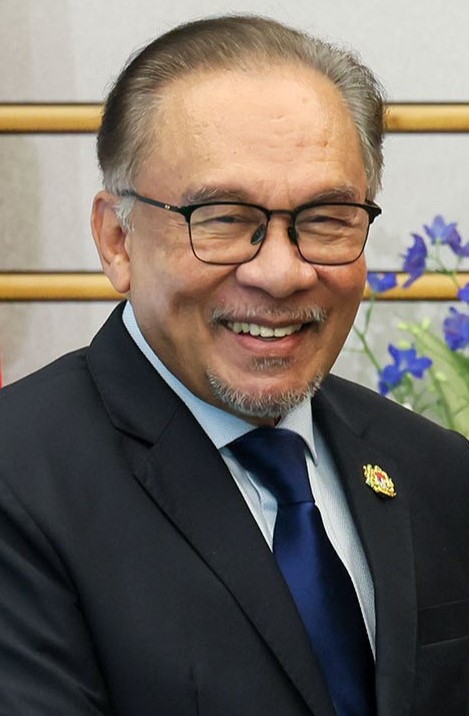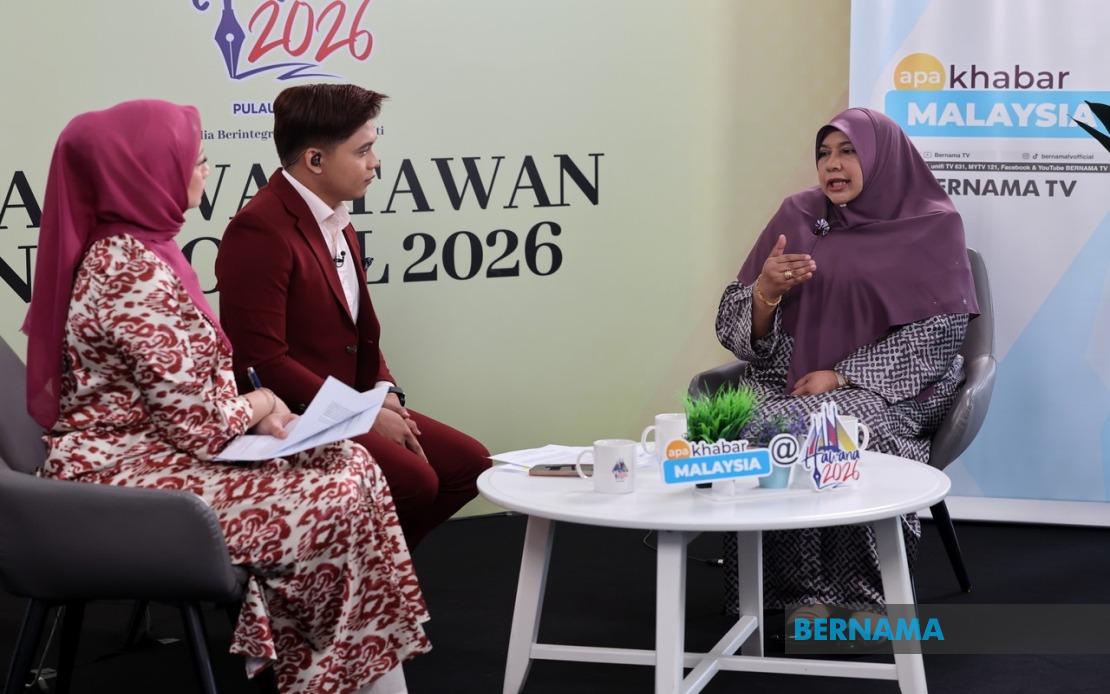
Penang will serve as the backdrop tomorrow for one of Malaysia's most significant celebrations of the journalism profession, as the National Journalists' Day summit—known as HAWANA—brings together approximately 1,000 media practitioners from within the country and abroad. The centrepiece of the two-day HAWANA 2026 commemoration will unfold at 3 pm when Prime Minister Datuk Seri Anwar Ibrahim officiates proceedings, underscoring the government's recognition of the media's constitutional duty to inform the public with accuracy and responsibility. The occasion carries particular resonance as the Malaysian media landscape navigates evolving challenges around misinformation, trust erosion, and the competition for audience attention in an increasingly fragmented information ecosystem.
Organised by the Ministry of Communications with Bernama as implementing agency, this year's summit operates under the overarching theme of "Media Integrity Strengthens Credibility"—a message that speaks directly to contemporary concerns about journalism's credibility at a time when public confidence in institutional media remains contested across the region. The theme reflects a deliberate pivot toward professionalisation and ethical standards, acknowledging that Malaysia's media sector must actively defend its role as a trusted purveyor of information. The gathering will draw senior government figures including Penang Chief Minister Chow Kon Yeow, Communications Minister Datuk Fahmi Fadzil, and Communications Ministry secretary-general Datuk Abdul Halim Hamzah, alongside media industry leaders and Bernama executives.
Datin Paduka Nur-ul Afida Kamaludin, serving as both Bernama chief executive officer and chair of the HAWANA 2026 Working Committee, has positioned the summit as more than ceremonial recognition of journalistic achievement. Rather, she characterised the event as a networking nexus designed to deepen professional bonds among media practitioners and forge closer connections between the journalism community and the general public. This orientation towards community engagement reflects a broader industry acknowledgment that restoration and maintenance of media credibility cannot occur in institutional isolation. The parallel RIUH Pi HAWANA Carnival, held for three days at the PICCA Convention Centre parking lot, operationalises this philosophy by creating informal spaces where journalists and citizens interact, supported by performances from established Malaysian artists including Exists, Bunkface, and Masdo.
The carnival component of HAWANA 2026 has expanded significantly beyond traditional award ceremonies, drawing participation from 24 local creative product brands and 20 food and beverage vendors while offering interactive workshops to attendees. This multi-platform approach reflects recognition that modern journalism celebrations must resonate across diverse audience segments and engagement styles. By combining cultural performances, marketplace activity, and educational workshops, organisers have created an ecosystem where the media's role becomes tangible and relatable rather than abstract. The venue's emphasis on accessibility and entertainment serves a strategic purpose: it invites Malaysian citizens to reconsider their relationship with journalism as a profession fundamentally concerned with their interests and information needs.
The HAWANA tradition itself carries historical weight that contextualises tomorrow's gathering. The celebration commemorates May 29, 1939, when the Utusan Melayu newspaper published its inaugural edition, establishing a symbolic connection between contemporary Malaysian journalism and the nationalist press that preceded independence. This historical anchor matters particularly as Malaysia's media sector evolves—it provides continuity with a tradition of journalism serving national development while simultaneously presenting an opportunity to renew that commitment under contemporary circumstances. The yearly observance on May 29 ensures that reflection on journalism's role remains institutionalised within the professional calendar rather than episodic or crisis-driven.
Tomorrow's award presentations will acknowledge individual contributions to journalism and public discourse through multiple recognition categories. Prime Minister Anwar Ibrahim will distribute contributions from Tabung Kasih@HAWANA to veterans requiring assistance, symbolically grounding the celebration in appreciation for journalism's elder practitioners. Additionally, prizes will be conferred to winners of the HAWANA-DBP Pantun Festival, held in May, while the HAWANA Award and HAWANA Special Award will honour figures whose work has substantially advanced journalism's professionalism and strengthened public thinking. This tiered recognition system validates different dimensions of journalistic contribution, from literary expression to sustained professional excellence.
The summit's broadcast architecture deserves particular attention given Malaysia's media landscape. Coverage will air simultaneously on Bernama TV, with distribution through RTM and TV AlHijrah alongside social media platforms, ensuring nationwide reach across traditional and digital audiences. This multi-channel approach acknowledges that contemporary journalism celebrations cannot restrict themselves to in-person attendance or single-platform distribution. By deploying public broadcasters and social media channels, organisers amplify the summit's message about media integrity far beyond the Penang convention centre, reaching journalists in distant states and citizens across age groups and technological comfort levels.
The strategic partnership with MyCreative Venture, a Ministry of Communications agency, reflects government investment in positioning the media as part of Malaysia's creative economy and national development architecture. This framing moves beyond defensive posturing about journalism's traditional gatekeeping functions toward integration with broader cultural and economic objectives. The collaboration enables resource sharing and expanded reach, allowing HAWANA 2026 to operate at a scale exceeding what industry organisations alone might accomplish. For Malaysian journalists, particularly those working in smaller markets or digital-native outlets, the government's direct involvement signals legitimisation and resource commitment to their profession.
Preliminary HAWANA 2026 programming began in early May with the Media Forum, proceeded through a Strategic Partner Meeting in early June, and included the Fun Walk HAWANA 2026 on June 14, which generated substantial participation from both media practitioners and the public. This extended calendar approach distributes engagement opportunities and allows different professional cohorts and community segments to participate meaningfully. Rather than concentrating all activity into a single ceremonial day, the month-long programming schedule treats journalism appreciation as an ongoing conversation requiring multiple entry points and formats.
For Malaysian and Southeast Asian media sectors, HAWANA 2026 arrives at a fraught moment. Journalism across the region confronts simultaneous pressures from economic constraints, digital disruption, and political scrutiny, while audience trust in institutional media remains variable. By bringing together 1,000 practitioners and amplifying their gathering across national broadcast and digital platforms, the summit performs an important function: it visibly asserts that journalism remains valued and professionally organised despite these pressures. The emphasis on "media integrity strengthens credibility" directly addresses regional anxieties about information quality at a time when misinformation and disinformation compete intensely with professional journalism for audience attention and belief.
The Penang setting itself carries symbolic significance. As Malaysia's second major city and a state with considerable economic and political importance, Penang represents neither the capital's metropolitan concentration nor provincial periphery. Its selection as the summit venue suggests organisers intended to project journalism celebration beyond Kuala Lumpur's institutions while affirming that media professionalism thrives throughout the federation. For Penang's media community specifically, hosting HAWANA 2026 represents institutional recognition of their contribution to national journalism while providing direct access to senior government officials and industry leaders typically concentrated in the capital.
The convergence tomorrow of approximately 1,000 media practitioners, government ministers, industry executives, and award recipients will produce a visible demonstration of journalism's professional infrastructure and institutional commitment to credibility. Whether this summit succeeds depends partly on ceremonial elements—the quality of awards presentations and the impressiveness of the official gathering—but more fundamentally on whether the energy and networks generated translate into sustained professional action. The carnival component, the broadcast reach, the community engagement, and the focus on integrity represent promising signals that organisers understand modern journalism celebration requires substance beyond symbolism.