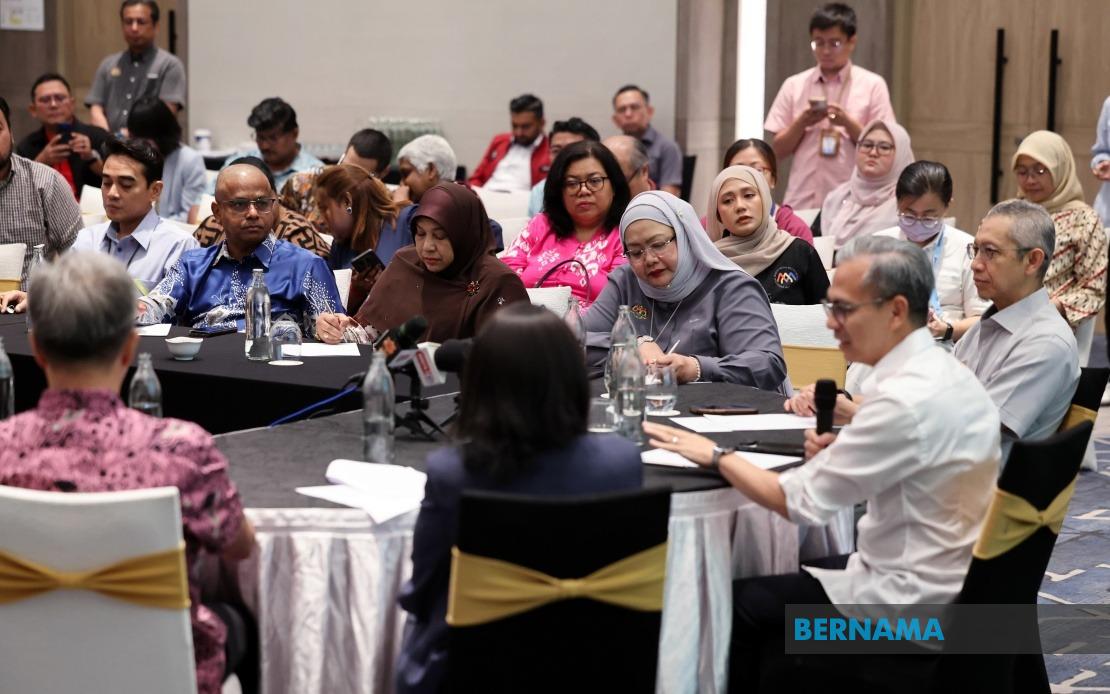
The HAWANA 2026 Summit officially opened its doors on Thursday with the arrival of journalists, media executives and strategic partners from across Malaysia and neighbouring ASEAN nations at the PICCA@Arena Butterworth Convention Centre. The convergence of regional media representatives marks a significant moment for Southeast Asian journalism, as newsrooms and broadcasters from the wider region descend on the northern Malaysian venue to participate in discussions on the state and future of the profession.
Early arrivals took advantage of the convention centre's exhibition space and specially curated photo gallery, where media organisations displayed their latest innovations and achievements. Many practitioners used the opening hours to reconnect with peers from competing newsrooms and media outlets, seizing an opportunity that their regular editorial commitments rarely permit. The informal atmosphere in the foyer underscored how such gatherings serve not merely as formal conferences but as vital networking occasions within Malaysia's news industry.
The presence of delegates from across ASEAN—including representatives from neighbouring countries such as Indonesia, Thailand, Singapore and other member states—demonstrates the summit's evolution into a regional platform. This international participation carries significance beyond ceremonial value. It reflects Bernama's and Malaysia's commitment to fostering cooperation among Southeast Asian media practitioners on issues of mutual concern, particularly the preservation of journalistic standards amid rapid technological and political change.
The 2026 edition carries the thematic focus of "Media Integrity Strengthens Credibility," a deliberately targeted emphasis that responds to contemporary challenges facing newsrooms globally. In an era marked by declining public trust in institutions, misinformation campaigns and the proliferation of unverified content online, the summit's central message places responsibility squarely on journalism practitioners to uphold rigorous verification and ethical standards. The theme implicitly acknowledges that media credibility—once largely assumed within professional circles—now requires deliberate cultivation and constant reinforcement.
Prime Minister Datuk Seri Anwar Ibrahim will officially launch the summit, underscoring the government's investment in the journalism profession and recognition of its societal role. The ministerial-level endorsement signals the political establishment's acknowledgment that a functioning media ecosystem remains essential to national discourse and democratic participation. For Malaysian media organisations operating amid complex regulatory environments and competing pressures, such official recognition of their contributions provides institutional legitimacy.
The summit expects approximately 1,000 registered participants, positioning it as one of Malaysia's largest annual gatherings of news professionals. This substantial attendance reflects the breadth of Malaysia's media sector—encompassing newspapers, television stations, radio broadcasters, digital news outlets and independent journalism initiatives. The diversity of participants ensures that discussions will span traditional and contemporary journalistic practices, generational perspectives within newsrooms and the practical challenges facing different media formats.
Organised by the Ministry of Communications with Bernama, the national news agency, serving as the principal implementing body, HAWANA has established itself as the profession's premier annual convocation. The summit functions simultaneously as a recognition event honouring journalism professionals' dedication and contributions, and as a professional development forum where practitioners exchange insights, confront shared challenges and explore emerging best practices. The dual function makes it invaluable to an industry grappling with technological disruption and economic pressures.
The emphasis on recognising media practitioners' efforts to deliver accurate, verified and credible information carries particular weight in the Malaysian context. News organisations operate under regulatory frameworks that some critics argue constrain editorial independence, whilst simultaneously facing audience expectations for investigative reporting and accountability journalism. The official acknowledgment that journalists perform essential work in filtering information and providing contextual understanding to the public validates their increasingly difficult role.
The regional composition of attendees raises important questions about journalism standards across Southeast Asia. ASEAN nations exhibit considerable variation in press freedom rankings, editorial cultures and regulatory approaches to media. By bringing together journalists from diverse political and economic environments, the summit creates potential for cross-pollination of professional practices, though it also highlights regional tensions around editorial autonomy and state influence on newsrooms. Malaysian journalists participating alongside peers from nations with more restrictive media environments may gain perspective on their own professional circumstances.
For Malaysian media organisations, the summit represents an opportunity to profile their capabilities and connect with regional counterparts at a time when digital disruption is fundamentally reshaping how news circulates. Traditional revenue models continue eroding while audience expectations evolve. The gathering permits discussion of how Southeast Asian newsrooms can collaborate on regional stories, share resources and explore business models that sustain quality journalism without compromising editorial integrity.
The timing of the summit also reflects broader recognition within Malaysian media circles that journalism's social contract requires explicit renewal. Public confidence in news media has declined globally, often correlating with perceptions of bias, sensationalism or perceived alignment with particular political or commercial interests. By foregrounding integrity and credibility as central professional values, HAWANA 2026 positions journalism as a practice fundamentally concerned with public service rather than commercial or political advantage.
As the summit unfolds over coming days, the substantive sessions and discussions will likely examine practical strategies for combating misinformation, protecting journalistic sources, ensuring diverse newsroom representation and adapting business models to digital realities. The presence of international delegates will enrich these conversations by introducing comparative perspectives on how journalists in other Southeast Asian markets address similar challenges. The networking opportunities may also facilitate collaboration on investigative projects that transcend national boundaries, potentially uncovering stories of regional significance that individual national newsrooms might struggle to pursue independently.

