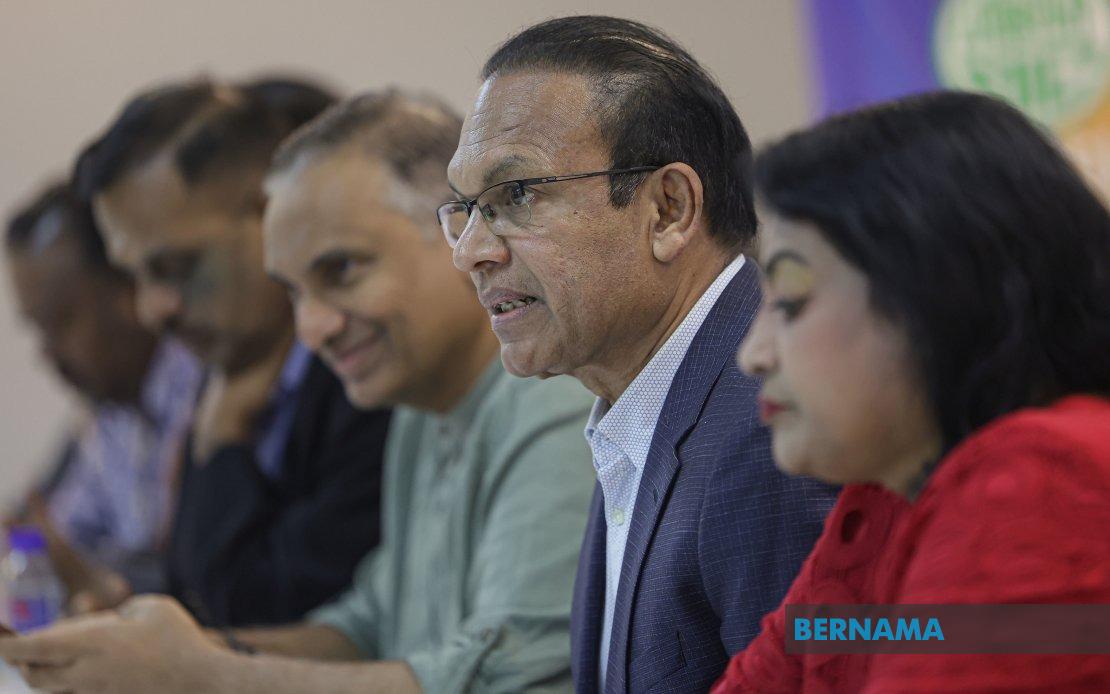
The Malaysian Indian Congress (MIC) has secured four electoral seats for the forthcoming Johor state election, marking its continued participation in the Barisan Nasional coalition's bid to maintain control of the southern state. Vice-president Datuk T. Murugiah announced the allocation during a press conference at MIC headquarters in Kuala Lumpur, confirming that party president Tan Sri SA. Vigneswaran had recently negotiated the terms with fellow BN component parties following coalition discussions on both the Johor and Negeri Sembilan contests.
The allocation represents a strategic positioning within the broader BN election machinery as the coalition prepares for dual state polls this mid-year. While the Johor seat count has been finalised, negotiations regarding MIC's representation in Negeri Sembilan remain ongoing, with internal party sources suggesting the Indian-based faction could potentially contest up to two constituencies in that state. This phased approach to candidate deployment underscores the delicate balancing act required to distribute electoral opportunities across BN's diverse membership base while maintaining coalition cohesion.
Drawing from its performance in the March 2022 Johor state election, MIC proved competitive in the constituencies it contested. The party successfully captured three of four seats that cycle, winning in Kemelah, Kahang and Tenggaroh whilst suffering defeat in Bukit Batu. For this upcoming contest, party insiders have indicated that MIC will pursue Kemelah and Kahang again, making another attempt to reclaim Bukit Batu, whilst strategically exchanging Tenggaroh to UMNO in return for the Perling seat as part of BN's seat-swapping negotiations.
Recognising that electoral success hinges significantly on effective ground-level communication, MIC has launched an intensive speaker training programme designed to saturate the Indian community with tailored campaign messaging. The party will convene approximately 150 trained speakers in Johor Bahru this coming weekend for a two-day workshop focused on public speaking techniques and strategic message delivery. These cadres will subsequently fan out across all 56 state constituencies that BN is contesting, ensuring that Indian voters throughout Johor receive consistent and persuasive information about the coalition's platform and local candidate credentials.
The emphasis on speaker preparation reflects broader recognition that Indian voters, whilst representing a smaller electoral demographic relative to Malay and Chinese communities, occupy pivotal swing constituencies where community mobilisation can prove decisive. By equipping party representatives with sophisticated communication skills and coordinated messaging strategies, MIC aims to maximise its influence beyond its four direct contests, leveraging its grassroots networks to bolster overall BN performance. This multiplication effect is particularly important in multicommunal constituencies where Indian support can swing outcomes in tight three-way races.
MIC's leadership has indicated that this election cycle will feature significant generational renewal within the party's candidate slate. Approximately 50 percent of MIC's candidates fielded across Johor are expected to be new faces making their electoral debut, potentially signalling an internal reorganisation or attempt to revitalise party appeal among younger voters. This strategic decision to introduce fresh political talent carries both opportunities and risks, potentially energising campaign efforts while simultaneously requiring enhanced voter education regarding unfamiliar candidates lacking prior legislative track records.
The electoral calendar for both state contests remains tight, with nomination day for Johor scheduled for June 27, giving registered parties less than two weeks from the initial seat allocation announcement to formalise their candidate selections and commence official campaigning. Polling itself occurs on July 11, creating an abbreviated window for voter engagement compared to typical national election cycles. For Negeri Sembilan, the timeline extends slightly further, with nominations on July 18 and polling on August 1, allowing fractionally more preparation time but still maintaining pressure on party machinery efficiency.
Beyond electoral mechanics, MIC is leveraging this political cycle to reinforce its community relevance through broader engagement initiatives. The party plans to organise sporting competitions across 152 locations nationwide this Saturday as part of its 80th anniversary celebrations, deliberately inviting participation from all racial communities. These grassroots activities spanning football, badminton, bowling, carrom and hiking serve dual purposes: genuine community engagement and cultural celebration alongside subtle political positioning that emphasises MIC's inclusive approach and community-focused ethos during an election year.
For Malaysian analysts and the broader Southeast Asian political landscape, MIC's positioning within BN coalition negotiations demonstrates how minority parties maintain relevance within dominant political structures. The party's ability to secure four seats in Johor despite representing a numerically smaller constituency reflects both historical coalition commitments and bargaining leverage derived from controlling decisive swing constituencies. The party's strategic focus on speaker training and grassroots mobilisation further illustrates how modern political competition in Malaysia increasingly emphasises sophisticated community engagement rather than relying solely on traditional party machinery or media-driven campaigns.
The Indian community remains economically significant across Johor's manufacturing and service sectors, and political parties recognising this demographic's purchasing power and social influence have consistently attempted sophisticated engagement strategies. MIC's structured approach to speaker training and messaging coordination suggests the party is moving beyond conventional approaches toward more data-informed and targeted voter persuasion methods. This methodological shift reflects broader professionalisation occurring across Malaysian political parties as they adapt to evolving voter expectations and communication technologies.

