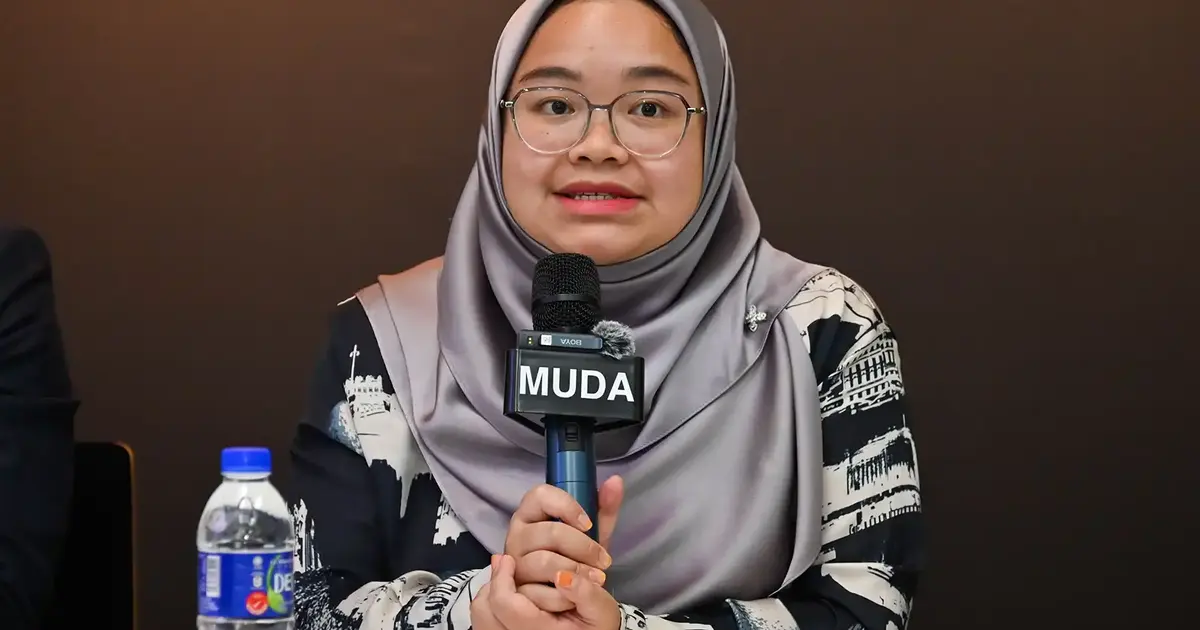
The Malaysian United Democratic Alliance (Muda) has unveiled Rashifa Aljuneid as its official candidate to contest the Puteri Wangsa seat in the July 11 Johor state election, signalling a strategic repositioning for the reform-minded party in the state's electoral landscape. The announcement represents a notable development in the lead-up to the election, particularly given that party president Amira will not be defending the seat she currently holds.
Muda's decision to field a different candidate in this traditionally competitive constituency underscores the party's evolving electoral strategy in Johor, where it has been working to strengthen its presence since its establishment. The party has been navigating the complex terrain of Malaysian state politics whilst maintaining its position as an alternative voice to the established political establishment. The selection of Aljuneid reflects the party's broader approach to candidate selection, focusing on individuals who can appeal to the diverse electorate of Puteri Wangsa.
Puteri Wangsa has emerged as a constituency of considerable political significance in Johor, with its demographic composition and voter preferences making it a microcosm of broader trends affecting the state's political dynamics. The seat's electorate has demonstrated openness to candidates who present reformist agendas and fresh perspectives on governance, factors that Muda has consistently emphasised in its political messaging. The constituency's location within Johor's urban centres means it tends to be responsive to appeals based on economic management, urban infrastructure, and service delivery improvements.
The fact that Muda's current representative is not contesting the seat again raises questions about internal party dynamics and strategic resource allocation. Leadership transitions or shifts in candidate representation often reflect careful calculation about where parties believe they can achieve the strongest electoral performance or where they wish to focus institutional energy. For Muda, this decision likely forms part of a comprehensive state-wide campaign strategy designed to maximise gains across multiple constituencies.
Rashifa Aljuneid's background and credentials will be pivotal in determining the party's prospects in Puteri Wangsa. Muda has typically emphasised the professional accomplishments and community engagement of its candidates, positioning them as representatives grounded in practical expertise rather than traditional political machine operations. The party's messaging has historically resonated with younger voters, urban professionals, and those seeking governance reform, demographics that overlap significantly with Puteri Wangsa's electorate profile.
The July 11 Johor election represents a critical juncture for opposition and alternative parties seeking to make inroads in the peninsular state. Johor has historically been dominated by the Barisan Nasional coalition, and gaining meaningful representation has proven challenging for opposition groups. For Muda specifically, the election offers an opportunity to demonstrate that its appeal extends beyond its stronghold areas and that it can compete effectively in diverse constituencies across different regions of the country.
This candidate announcement also occurs within the broader context of Malaysian politics, where coalition partnerships and electoral alliances often determine outcomes in state elections. Muda's positioning relative to other opposition groups and its potential alignment strategies could significantly influence not only its prospects in Puteri Wangsa but also its negotiating power within broader political coalitions. The party has been deliberate about maintaining its independence whilst exploring cooperative arrangements where alignment occurs on key policy issues.
For Malaysian voters in Johor, and particularly those in Puteri Wangsa, the election will present a choice between incumbent representatives and challengers offering different visions for the state's future. The presence of Muda and candidates like Aljuneid reflects the increasing diversification of Malaysia's political landscape, where traditional two-coalition frameworks are gradually giving way to a more multipolar environment featuring genuine alternative options. This fragmentation offers voters greater choice but also introduces additional complexity into electoral calculations.
The campaign leading up to July 11 will likely see Muda emphasising Aljuneid's qualifications, community ties, and commitment to addressing local concerns in Puteri Wangsa. The party will need to articulate a compelling narrative about why voters should entrust representation to a relatively newer political force rather than remaining with established alternatives. Given the competitive nature of Malaysian state politics, where margins of victory can be narrow, the quality of grassroots campaign organisation and candidate visibility will prove decisive.
For Southeast Asian observers tracking democratic participation and electoral competition, Malaysia's state elections serve as important indicators of broader political trends. The emergence of genuine alternatives like Muda, and their willingness to contest seats previously held by their own representatives, demonstrates confidence in their electoral prospects whilst also suggesting confidence in their ability to develop new talent. Aljuneid's nomination represents an investment in the party's future generation of political representatives.

