The Malaysian United Democratic Alliance (MUDA) has selected Rashifa Aljunied, a 26-year-old grassroots organiser currently heading the Puteri Wangsa service centre, to contest the party's sole stronghold in the upcoming Johor state election. The announcement signals a generational shift within MUDA's leadership structure as the party seeks to maintain its foothold in the southern state amid preparations for the wider political calendar.
PARTY president Amira Aisya Abdul Aziz unveiled the candidacy at a press conference in Johor Bahru, emphasizing that the selection emerged from comprehensive deliberations among senior party figures and organisational bodies. The decision reflects MUDA's internal strategy as it navigates competing electoral commitments at both state and federal levels. Amira Aisya, who has represented Puteri Wangsa since securing the seat in 2022, opted not to defend her constituency, choosing instead to contest a parliamentary seat during the anticipated 16th General Election.
Puteri Wangsa holds particular significance within MUDA's electoral narrative, representing the party's sole victory in the 2022 Johor state election. Amira Aisya's triumph came through a competitive six-way contest, ultimately securing the seat with a comfortable 7,114-vote majority. This outcome established MUDA as a genuine contender in Johor's political landscape, positioning the party beyond its traditional urban strongholds and into the suburban constituencies that increasingly define Malaysia's electoral mathematics. The retention of this seat therefore assumes strategic importance as MUDA seeks to demonstrate sustained electoral viability and organisational capacity.
The transition from Amira Aisya to Rashifa reflects MUDA's broader positioning as a youth-centric political movement. By elevating a relatively young organiser with documented community engagement through the service centre mechanism, the party reinforces its brand identity focused on grassroots mobilisation and fresh perspectives. This approach contrasts with conventional succession patterns in Malaysian politics, where incumbency typically confers significant advantages on sitting representatives seeking re-election. MUDA's decision to refresh its candidacy suggests calculated confidence in its organisational strength within the constituency.
Rashifa's appointment as service centre head prior to her candidacy provides her with institutional credibility and demonstrated engagement with constituent concerns. Service centres function as crucial touchpoints between political parties and communities, handling grievances, disseminating information, and facilitating administrative assistance. Her tenure in this role ostensibly positions her with existing familiarity among constituency residents and operational knowledge of local issues. However, the transition from administrative grassroots work to electoral candidacy represents a substantial elevation that will test both her personal political skills and the party machinery's capacity to translate internal goodwill into electoral performance.
The broader context of Johor's political trajectory influences this candidacy announcement. The southern state remains Malaysia's third-most populous jurisdiction and functions as an important bellwether for national political trends. Johor's electorate has demonstrated capacity for political volatility, alternating between ruling coalition dominance and opposition challenges. MUDA's emergence as a competitive force complicates this binary framework, presenting voters with a third pole positioning itself as progressive and uncorrupted relative to established parties. Maintaining presence in Puteri Wangsa validates MUDA's claim to genuine statewide relevance rather than isolated protest-vote concentration.
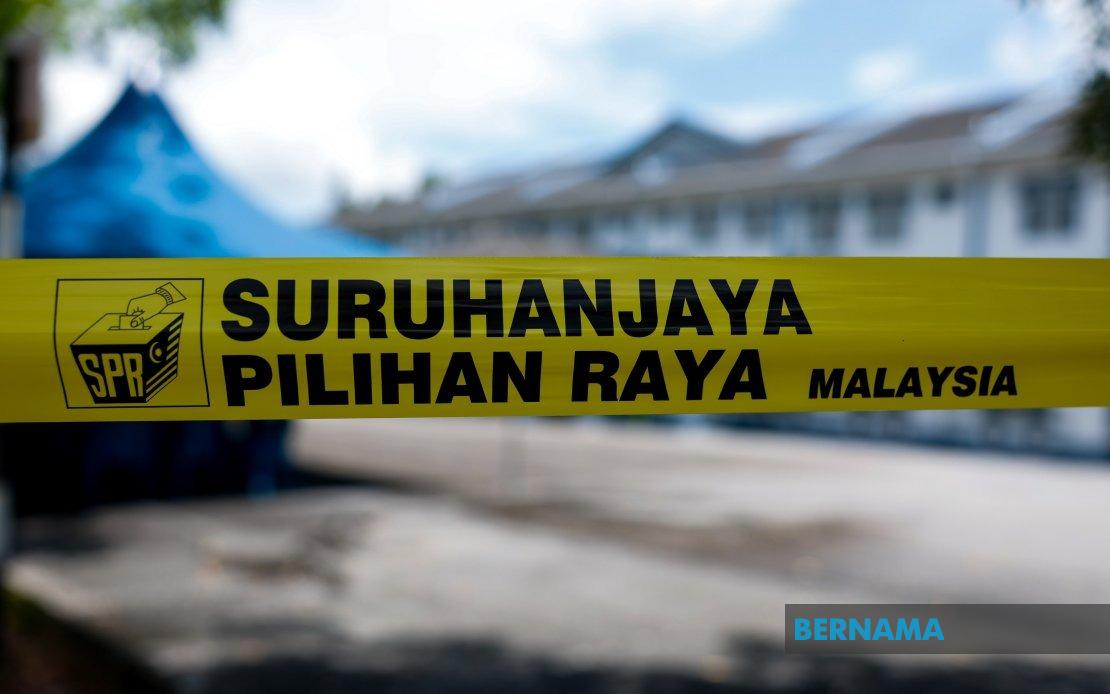
The Election Commission has confirmed July 11 as polling day for the Johor state election, with nomination proceedings scheduled for June 27 and early voting allocated for July 7. This calendar provides the parties roughly three weeks for intensive campaigning following formal candidate registration. The compressed timeframe typically favours incumbents with established campaign machinery and name recognition, though this advantage diminishes when parties voluntarily relinquish sitting representatives. MUDA's decision to field a fresh candidate necessitates accelerated public awareness-building around Rashifa's identity and policy positions.
MUDA indicated that additional candidacy announcements for remaining Johor constituencies would materialise during a Kuala Lumpur media event the following day, suggesting the party's broader slate would emerge through staged revelations. This sequencing allows media attention concentration on individual candidates while maintaining cumulative momentum across the campaign period. The staggered approach also permits the party to calibrate announcements based on candidate availability, nomination readiness, and strategic messaging considerations. Such choreography has become standard practice among competitive political formations seeking to maximise media penetration during compressed election cycles.
For Malaysian observers tracking opposition coalition dynamics, MUDA's independent candidacy choices merit attention alongside parallel decisions by Democratic Action Party (DAP), People's Justice Party (PKR), and other non-government aligned parties. Coalition politics in Malaysia has fragmented considerably from the binary government-opposition framework, creating complex multi-polar contests where seat-sharing negotiations and strategic non-contests determine actual competitive dynamics. MUDA's assertiveness in fielding young, untested candidates suggests confidence in its organisational capability and polling data regarding voter receptivity to its political positioning.
The Puteri Wangsa contest will constitute a critical electoral indicator for MUDA's sustainability as a political force. Successfully defending the seat would validate the party's institutional strength and suggest that 2022's breakthrough result represented genuine constituency support rather than anti-incumbent protest voting. Conversely, losing the seat would raise questions about whether MUDA can translate initial victories into sustainable electoral presence or whether the movement's appeal remains primarily concentrated among younger urban voters in specific constituencies. Rashifa's individual performance will therefore carry implications extending beyond Puteri Wangsa itself, influencing perceptions of MUDA's competitive viability in subsequent electoral cycles.

