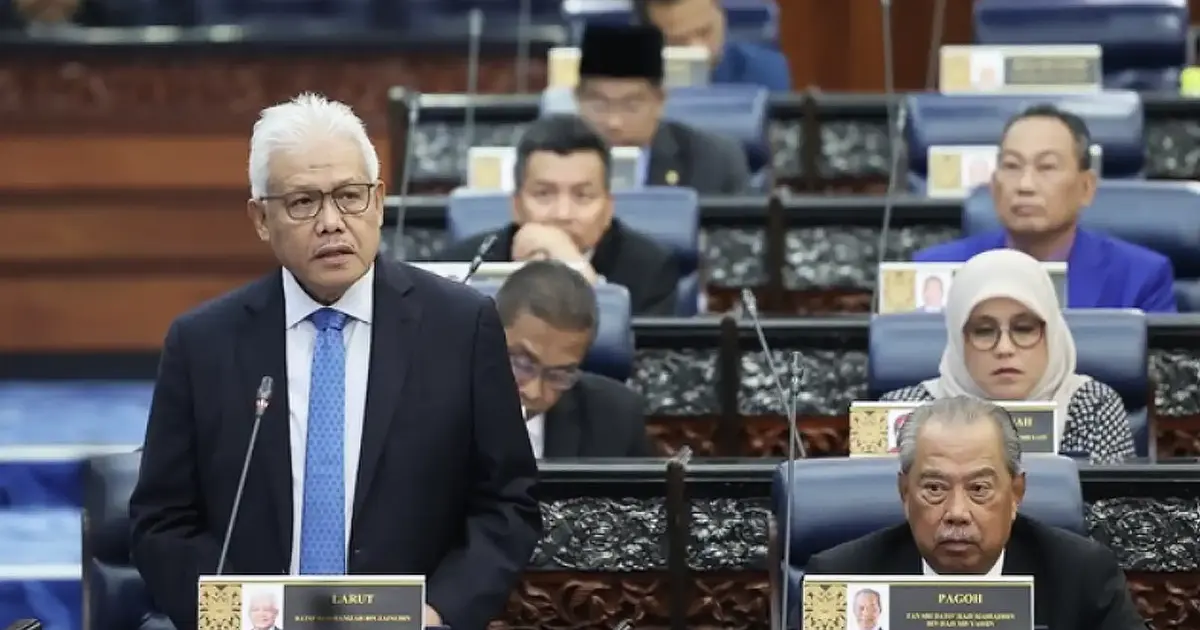
Dewan Rakyat Speaker Johari Abdul disclosed that Muhyiddin Yassin, the former Prime Minister and currently a backbench member of parliament, has submitted a formal request to alter his seating arrangement within the lower house chamber. The revelation, made during parliamentary proceedings, provides insight into internal parliamentary management matters that typically operate behind the scenes. Speakers' rulings on such procedural matters are customary, though they rarely become matters of public knowledge unless specifically highlighted during proceedings or in formal statements.
The speaker simultaneously announced receipt of official correspondence confirming that Hamzah Zainudin, the Member of Parliament representing the Larut constituency, has been formally designated as the Opposition Leader. This appointment represents a significant structural development in Malaysia's parliamentary landscape, establishing the formal chain of command and spokesperson designation for opposition MPs. The dual announcements reflect both routine administrative matters and substantive shifts in parliamentary opposition positioning that carry implications for legislative oversight and debate dynamics in the chamber.
Muhyiddin's request for a seat change, while seemingly procedural, arrives at a period when his political positioning has undergone substantial transformation. Following his tenure as Prime Minister between 2020 and 2021, his subsequent parliamentary conduct and alignment with various political groupings have generated considerable scrutiny. Physical seating arrangements in legislatures often carry symbolic weight, particularly when high-profile figures transition between government and opposition roles, or when internal factional realignments occur. The decision to publicly acknowledge such a request suggests either exceptional procedural circumstances or a deliberate communication from the speaker's office regarding parliamentary management.
Hamzah Zainudin's formal recognition as Opposition Leader marks a crucial institutional moment. The Opposition Leader role carries significant constitutional and parliamentary privileges, including formal speaking rights, question-setting authority during parliamentary sessions, and designation as the principal parliamentary spokesperson articulating opposition policy responses. This position requires official documentation and speaker recognition to carry legal standing. The letter confirming his appointment, which the speaker has now acknowledged receiving, establishes the formal protocols through which opposition parliamentary business will be conducted. The transition to this officially recognised structure potentially streamlines opposition coordination and clarifies parliamentary procedures involving opposition engagement.
The Larut MP's appointment reflects ongoing realignments within Malaysia's opposition political architecture. Opposition leadership roles in the Dewan Rakyat typically correspond with broader coalition agreements and power-sharing arrangements among opposition parties. Hamzah's elevation suggests consensus among opposition groupings regarding legislative strategy and representation. Given Malaysia's multiparty parliamentary environment, where opposition strength derives from coordination among multiple political entities, the formal designation of a single Opposition Leader requires substantial inter-party negotiation and agreement on legislative priorities and spokesperson authority.
For Malaysian observers tracking parliamentary dynamics, these developments carry several operational implications. Muhyiddin's seat relocation may reflect preferences regarding proximity to frontbench positioning, technical sightlines during proceedings, or deliberate distancing from particular colleagues. In parliamentary chambers globally, seating carries both practical and symbolic dimensions. Opposition leaders typically occupy designated frontbench positions directly facing the government benches, facilitating direct parliamentary engagement and ensuring media and public visibility during debates and question sessions. Any relocation of prominent former prime ministers reflects choices about parliamentary presence and engagement visibility.
The speaker's role in managing these parliamentary logistics underscores the administrative complexity underlying legislative proceedings. Johari Abdul's willingness to publicly disclose such matters suggests transparency regarding parliamentary management while maintaining appropriate deference to procedural norms. Speakers occupy positions requiring careful balance between protecting parliamentary decorum, respecting individual MP rights, managing physical space constraints, and facilitating effective legislative functioning. Announcements regarding seat changes and opposition leader recognition represent aspects of speaker management that affect how parliamentary business operates daily.
For regional observers, Malaysia's parliamentary developments carry relevance to Southeast Asian legislative governance models. Malaysian parliamentary procedures, institutional innovations, and management practices influence broader regional understanding of Westminster-derived legislative systems adapted to regional political contexts. The formal recognition of opposition leadership structures, procedural accommodations for prominent political figures, and speaker authority in managing legislative operations all reflect how inherited Westminster frameworks function within Malaysian political realities.
The timing of these announcements, coming through official parliamentary channels, ensures legislative record and institutional documentation. Johari Abdul's public statements create formal parliamentary record establishing these procedural decisions, which carries implications for future speaker rulings and opposition coalition management. Opposition MPs gain clarity regarding leadership authority and parliamentary representation structures, while government MPs and the broader legislative body understand modified seating arrangements and recognised opposition protocols.
These parliamentary developments, while procedurally routine, reflect Malaysia's ongoing political realignment following significant governmental transitions. Muhyiddin's parliamentary positioning continues evolving following his governmental tenure and subsequent coalition adjustments. Hamzah's formal opposition leadership recognition potentially signals strengthened opposition coordination and institutional structuring. Both developments, individually procedural yet collectively significant, illustrate how Malaysia's parliament manages complex political dynamics through established institutional channels and speaker authority, maintaining legislative functionality amid broader political shifts.

