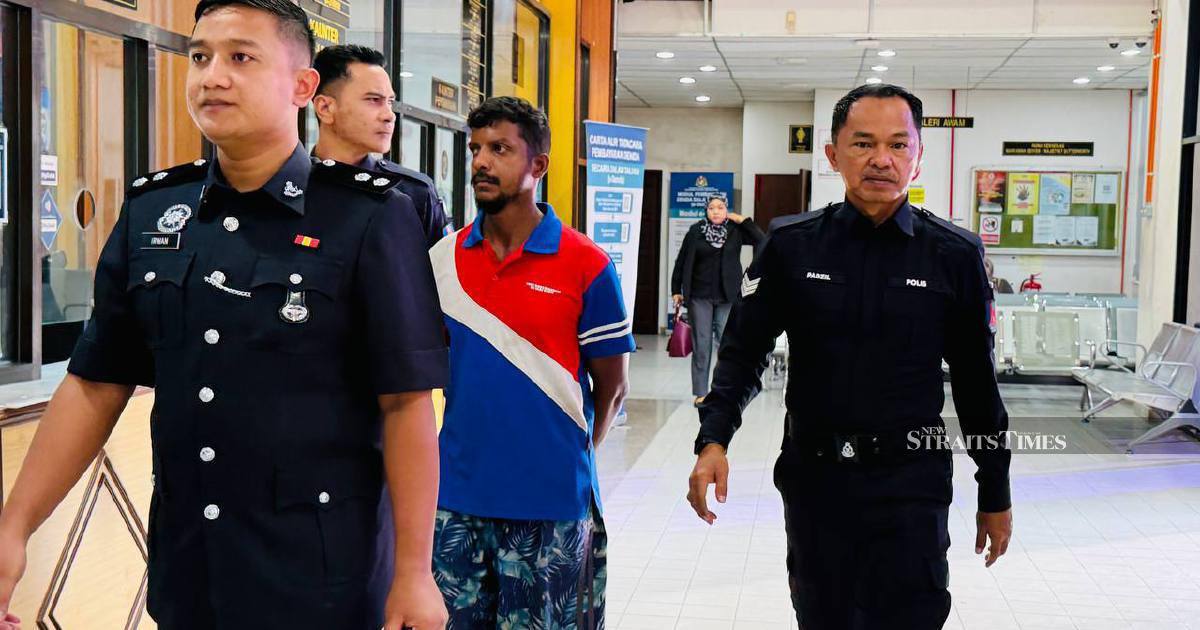
A Myanmar citizen made his first appearance in the Butterworth Sessions Court today to face allegations of causing grievous hurt to another national from his country during an incident that occurred in the previous week. The proceedings highlighted ongoing challenges in the Malaysian court system when handling transnational cases involving foreign nationals and the administrative complexities surrounding identity verification in cross-border disputes.
The charge of causing grievous hurt falls under provisions designed to address serious physical injuries that go beyond simple assault. Such offences typically involve deliberate acts resulting in wounds, broken bones, or other significant bodily damage. In this instance, the alleged victim, also a Myanmar citizen, suffered injuries serious enough to warrant formal criminal prosecution through the higher courts rather than the subordinate judiciary.
The decision to deny bail pending the procurement and verification of identification documents reflects the court's cautious approach toward defendants without readily established legal documentation. This is a common procedural hurdle faced by migrant workers and undocumented individuals appearing before Malaysian courts. Without proper identification, judicial officers face difficulties confirming identity, assessing flight risk, and determining appropriate surety arrangements—all critical factors in bail determinations.
Myanmar nationals constitute a significant portion of Malaysia's migrant worker population, with many engaged in construction, manufacturing, domestic work, and agricultural sectors. However, a considerable proportion lack complete or up-to-date travel and identification documentation, either due to the circumstances of their arrival, periodic changes in employment, or administrative backlogs in their home country's consular services. This administrative barrier often extends court proceedings and complicates legal processes.
The remand order effectively places the accused in police custody until the identification verification process concludes. During this period, investigating officers will coordinate with relevant authorities—potentially including the Myanmar embassy or consulate in Malaysia—to authenticate the defendant's identity and background. This process can take anywhere from several days to several weeks depending on diplomatic responsiveness and documentation quality.
The incident between two Myanmar nationals reflects the reality that disputes within migrant communities sometimes escalate to serious violence. Such conflicts often stem from workplace tensions, housing disputes, financial disagreements, or personal grievances. When violence occurs, Malaysian authorities treat these cases with the same legal rigour applied to disputes involving Malaysian citizens, ensuring equal protection under law regardless of national origin.
For the accused, the immediate consequence of the bail denial means continued detention in a Malaysian lock-up or remand facility pending the next court hearing. This carries substantial implications beyond the legal proceedings—continued detention affects employment prospects, family obligations, and financial stability. Many migrant workers operate on precarious financial margins, and any interruption to income can create cascading difficulties for dependents both in Malaysia and in Myanmar.
The prosecution must establish that the alleged injuries constitute grievous hurt rather than simple hurt, requiring medical evidence and detailed documentation of the injuries sustained. The prosecution will likely present medical reports, photographs of injuries, and potentially witness testimony to substantiate the charge. The defence, meanwhile, will have opportunity to challenge the severity of injuries or present contextual factors during the trial proper.
This case underscores the importance of proper documentation for all migrant workers in Malaysia. Labour unions and migrant advocacy organisations consistently recommend that workers maintain copies of passports, travel documents, and employment verification, recognising that administrative gaps can create legal vulnerabilities during criminal proceedings. The stakes are particularly high when facing serious charges, where documentation gaps can delay access to bail and extend detention periods.
The judicial system's requirement for identity verification, while administratively burdensome, serves legitimate purposes in maintaining the integrity of bail decisions and court records. However, the process reveals systemic friction points that affect migrant workers disproportionately. Regional cooperation frameworks between Malaysia and Myanmar, when functioning effectively, can expedite such verifications, though diplomatic complexities and administrative capacity constraints sometimes slow the process considerably.
The case will return to the Butterworth Sessions Court once identification documentation is verified and processed. At that subsequent hearing, the court will revisit the bail application, with proper identification now on record. The substantive trial—where the charge must be proven beyond reasonable doubt—remains pending, potentially months away given court scheduling demands.

