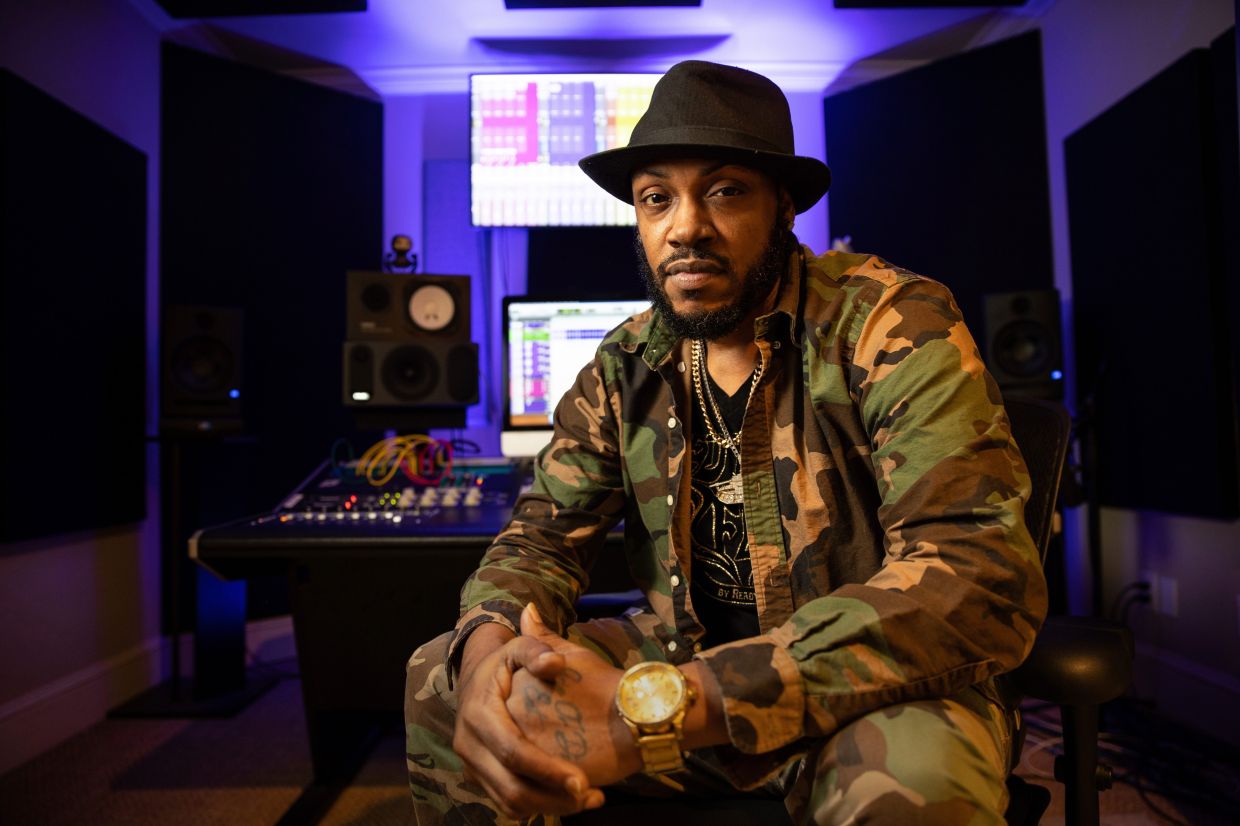
The trajectory from musical prominence to criminal conviction took another dramatic turn this week when Mystikal, the Louisiana-born rapper whose career peaked during the hip-hop boom of the early 2000s, received a 20-year prison sentence for rape. Michael Lawrence Tyler, known professionally as Mystikal, was convicted for sexually assaulting a woman at his residence in Prairieville, situated roughly 29 kilometres southwest of Baton Rouge, during 2022. The sentencing marks a significant legal consequence for an artist who once commanded Grammy recognition across multiple categories during the height of his commercial success.
Tyler's legal process involved a negotiated guilty plea to third-degree rape charges filed in March, which effectively capped his potential sentence at 20 years—a provision that reduced his exposure compared to the charge's statutory maximum. This plea agreement represented a strategic downgrade from the original first-degree rape allegation, which would have resulted in an automatic life imprisonment term under Louisiana law. The plea deal structure, common in serious criminal cases, typically involves acknowledgement of guilt in exchange for reduced charges or sentencing recommendations from prosecutors.
The proceedings took an unexpected turn just days before the formal sentencing hearing when Tyler's legal team submitted a motion requesting withdrawal of the guilty plea. According to reporting by ABC affiliate WBRZ, the defence argued that Tyler "did not have sufficient opportunity to fully consider the consequences" of his admission. This last-minute attempt to reverse course is legally permissible in certain circumstances but rarely succeeds once a defendant has formally entered a guilty plea and acknowledged factual guilt before a judge. The motion ultimately proved unsuccessful, and the sentencing proceeded as scheduled on Tuesday.
During the courtroom proceedings, the victim provided powerful testimony describing her experience of the assault. According to WBRZ's coverage, she recounted being punched, choked, and having her braids forcibly pulled before being raped at Tyler's Prairieville home. She specifically requested that the court impose the maximum available sentence, presenting her account directly to the judge as part of victim impact proceedings now standard in serious felony cases throughout the United States. Such statements carry significant weight in sentencing decisions, allowing victims to communicate the psychological, physical, and emotional consequences of crimes committed against them.
In a striking acknowledgement made during the hearing, Tyler appeared to accept the severity of his actions. When responding to the victim's testimony and sentencing request, he stated, "If I did that to you, I deserve the max sentence," according to the local television station's reporting. This statement, made before the judge formally imposed the 20-year term, suggested a recognition of culpability, though it came after his earlier attempt to withdraw the guilty plea—a sequence that raised questions about the sincerity of his acceptance of responsibility.
Tyler's incarceration since arrest in 2022 has occurred within the Ascension Parish Jail system, where he was held without the possibility of bail during the pretrial and trial phases. This detention status indicated that prosecutors successfully argued he posed either a flight risk or a danger to the community, preventing release despite the presumption of innocence that applies throughout the criminal justice process.
The case carries particular resonance given Tyler's previous brush with the law. In 2003, he pleaded guilty to sexual battery and received a six-year prison sentence for that conviction. That same year, he earned Grammy Award nominations across two categories, including a nod for best rap album, demonstrating that his commercial viability and industry recognition persisted even as serious criminal charges accumulated against him. This pattern—of continued professional success despite documented legal troubles—reflects broader questions about accountability and consequences for entertainers in the music industry.
Tyler's rise to prominence occurred during the 1990s as hip-hop transitioned from regional phenomenon to dominant force in American popular music. His commercial breakthrough and sustained visibility throughout the early 2000s established him among the era's recognizable rap artists, with several successful releases that achieved both critical acknowledgement and commercial performance metrics.
The sentencing represents a definitive conclusion to the criminal proceedings, though it caps a broader legacy significantly complicated by these convictions. For Malaysian and Southeast Asian entertainment observers, the case underscores the complex intersection between artistic achievement and personal conduct, particularly how criminal convictions can fundamentally alter the trajectory of major entertainment figures. The case also illustrates how victim testimony and impact statements have become increasingly central to the American justice system's approach to serious crimes, reflecting evolving societal attitudes toward accountability and survivor rights.
Tyler will serve his 20-year sentence within Louisiana's correctional system, where he will become one of numerous high-profile entertainers incarcerated for serious criminal offences. His case joins a broader pattern of hip-hop and entertainment industry figures facing significant prison terms for sexual assault and related crimes, raising ongoing questions about accountability, rehabilitation, and the relationship between artistic excellence and personal responsibility in contemporary culture.