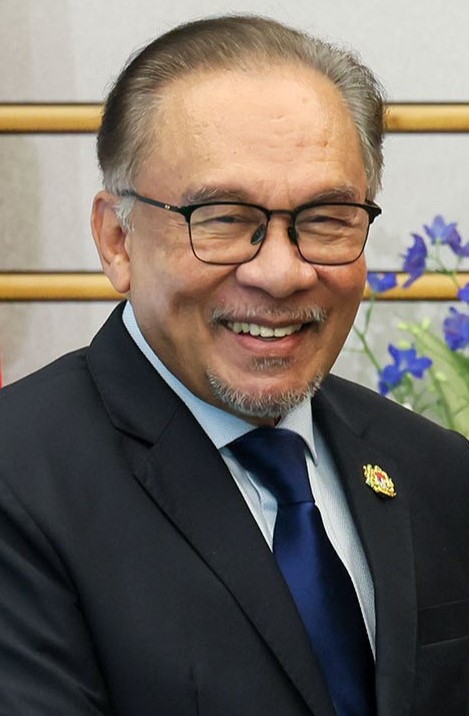
Nanta, the secretary-general of Gabungan Parti Sarawak, has deflected questions about his next career move in politics, creating uncertainty around whether he intends to contest his Kapit parliamentary constituency again or shift focus towards state assembly politics. Despite the ambiguity surrounding his formal status, he has pledged that his involvement in party and public affairs will remain substantive regardless of which electoral path he ultimately chooses.
The refusal to commit definitively represents a departure from the typical clarity Malaysian politicians typically offer their constituencies. In parliamentary democracies, such equivocation from a high-ranking party official often signals internal deliberation or shifting political calculations. For Kapit voters, many of whom have supported Nanta through multiple electoral cycles, the uncertainty could suggest either personal recalibration or possible pressure from party leadership regarding optimal candidate deployment for upcoming elections.
As secretary-general of GPS, Nanta occupies one of the party's most influential organisational positions. This role encompasses oversight of party administration, discipline, and coordination across Sarawak's complex political landscape. The party, which represents Sarawak's interests within the broader Malaysian federal framework, has become increasingly prominent in national coalition politics over recent years, particularly following electoral realignments at both federal and state levels.
The timing of this murkiness warrants attention given Sarawak's electoral calendar and GPS's positioning within national politics. Should Nanta step back from federal-level representation to concentrate on state affairs, it would represent a significant shift in GPS's parliamentary presence. Conversely, defending Kapit would signal continued dual commitment to both spheres, though potentially dividing his energy between national responsibilities and constituency work.
Political observers across Peninsular Malaysia and Sarawak have previously noted that transitions between federal and state politics among senior figures often reflect internal party strategy discussions or personal health and family considerations. In Sarawak's context, where state politics command substantial influence over resource distribution and developmental priorities, such calculations carry particular weight. The state government controls vast tracts of land and developmental initiatives that significantly impact voter satisfaction.
Nanta's assurance of continued active participation, despite the electoral ambiguity, appears designed to reassure GPS members and Kapit constituents that he has not lost interest in party development or public service. This formulation—remaining involved while declining to specify the arena—is increasingly common among Malaysian politicians navigating internal party transitions or evaluating their longevity in electoral politics. It preserves optionality while demonstrating commitment.
The GPS secretary-general's position comes amid broader questions about leadership renewal and succession planning within Sarawak's political structures. As Malaysia's politics continue evolving, with demographic shifts and generational changes influencing voter behaviour, party hierarchies increasingly balance retaining experienced figures against making space for emerging leaders. Nanta's refusal to announce a definitive position may reflect these broader tensions.
For GPS specifically, maintaining uncertainty around such a prominent figure's future creates both challenges and opportunities. The party benefits from Nanta's experience and organisational expertise in his current role, yet a clear succession or transition plan would provide stability for longer-term strategic planning. His silence leaves GPS members and rival parties alike attempting to interpret his likely movements based on limited signals.
Regionally, Nanta's equivocation also carries implications for Malaysia's broader political stability. Sarawak's major political parties significantly influence national coalition formation and parliamentary mathematics. How senior figures like Nanta position themselves affects party strength, internal morale, and ultimately the state's bargaining power within federal frameworks. Any shift in his electoral status would ripple through these calculations.
The Malaysian political environment has increasingly witnessed senior figures retiring from federal politics to concentrate on state affairs, particularly when local governments offer greater autonomy and development control. Should Nanta follow this pattern, it would align with observable trends but also represent strategic recalibration for GPS at a moment when the party maintains substantial parliamentary representation.
Nanta's maintained insistence on remaining active, despite declining to specify his exact role, suggests he views this period as transitional rather than terminal to his political engagement. This framing allows flexibility while signalling that his influence within GPS structures and Sarawak politics will persist regardless of electoral choices. For constituents in Kapit and broader GPS membership, such pledges offer limited clarity but indicate no imminent departure from political life.
The coming months will likely provide greater definition as electoral schedules crystallise and GPS leadership clarifies succession and candidate strategies. Until then, Nanta's public stance preserves his options while maintaining relevance—a characteristic position for senior Malaysian politicians navigating complex organisational and personal considerations.