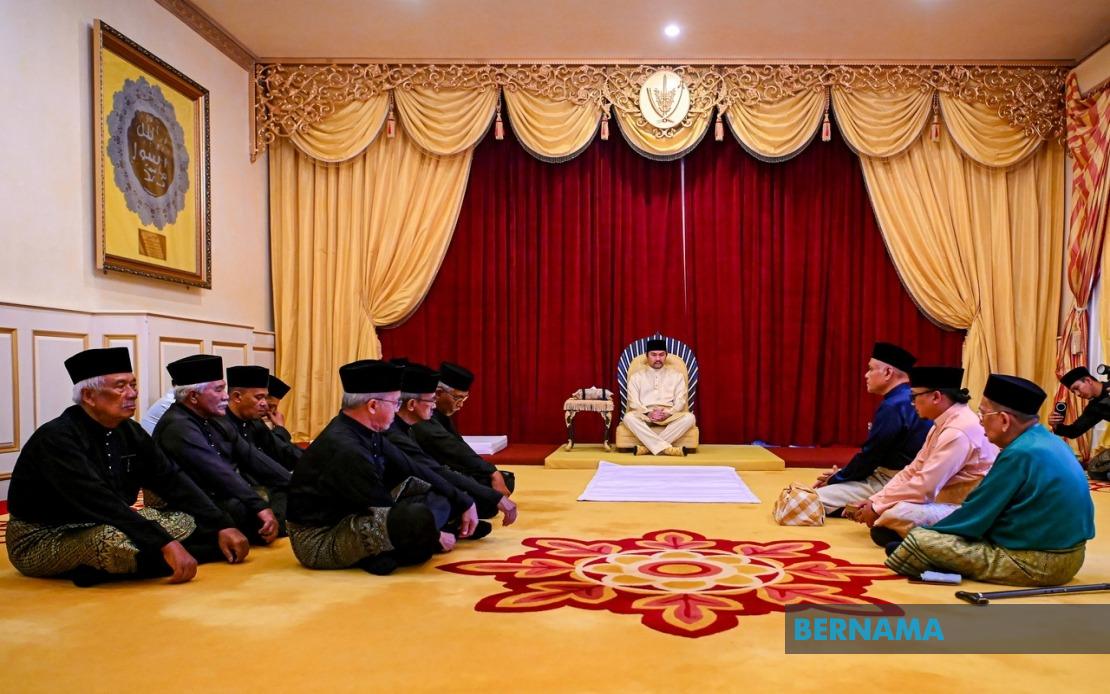
Negeri Sembilan's paramount ruler, Tuanku Muhriz Tuanku Munawir, has sanctioned an official royal audience to formally recognise the appointment of a new traditional leader in one of the state's historic luaks, or feudal territories. The ceremonial proceedings are scheduled for Saturday morning at Istana Besar Seri Menanti in Kuala Pilah, marking a significant moment in the state's constitutional framework governing adat governance.
Tunku Besar Seri Menanti Tunku Ali Redhauddin Tuanku Muhriz, acting as the paramount ruler's representative, announced the decision following a formal audience with the customary leadership council of Luak Sungei Ujong. The decision represents formal acknowledgment by the palace of an appointment process that has already been conducted according to the traditional protocols unique to this particular feudal division, underscoring the continued relevance of adat systems within Malaysia's modern constitutional monarchy.
The selected appointee is Muhammad Faris Johari, a 29-year-old who will assume the title of the 11th Undang of Luak Sungei Ujong. His selection emerged from deliberations by the Buapak customary council assembly, which exercises exclusive authority over identifying and recommending candidates for this hereditary leadership position. The appointment reflects the established succession principles that have governed leadership transitions within Sungei Ujong for generations, balancing considerations of lineage, capability, and community standing within the feudal hierarchy.
The installation ceremony takes on added significance given the contested departure of the previous titleholder. Datuk Klana Petra Datuk Mubarak Dohak, who served as the 10th Undang of Luak Sungei Ujong, was formally dismissed through proceedings conducted by the Dewan Keadilan dan Undang, a traditional judicial body that interprets and enforces customary law within Negeri Sembilan. This dismissal marked an exceptional occurrence within Sungei Ujong's modern governance history, suggesting underlying tensions or breaches of customary obligations that warranted formal removal.
Negeri Sembilan's Menteri Besar Datuk Seri Aminuddin Harun confirmed that the dismissal decision originated from a specially convened sitting held at the state's principal palace and presided over by Tuanku Muhriz himself. This high-level involvement underscores the gravity with which the state's administration treats matters concerning the customary leadership structure, particularly when dissolution of an undang's tenure becomes necessary. The paramount ruler's direct participation signals that such proceedings carry implications extending beyond purely ceremonial significance.
The adat framework that governs Negeri Sembilan represents one of Malaysia's most distinctive constitutional arrangements. Unlike other Malay sultanates that operate under conventional models of hereditary succession, Negeri Sembilan's system of elective monarchy and traditional feudal governance creates a complex interplay between formal constitutional monarchy and grassroots customary authority. The undangs occupy a crucial intermediate position within this structure, serving simultaneously as custodians of local adat traditions and representatives of the state's overarching constitutional order.
Tunku Ali Redhauddin's remarks emphasised that the selection process had been executed in full accordance with customary practices and traditions maintained specifically within Luak Sungei Ujong. This explicit validation carries importance because it establishes continuity of proper procedure despite the intervening dismissal of the previous titleholder. The palace's confirmation that adat protocols were followed precisely signals that legitimate authority, rather than arbitrary succession, governs the transition between occupants of this hereditary office.
Saturday's ceremony will represent the formal validation moment when the paramount ruler, through prescribed ceremonial language and ritual, acknowledges and sanctions Johari's assumption of office. The Istiadat Menghadap Menjunjung Duli Bagi Menyempurnakan Kejadian Undang Luak Sungei Ujong—the elaborate ceremonial title for this audience—reflects the formal dignity and constitutional importance attached to the occasion. Such ceremonies, rooted in centuries-old protocols, reaffirm the symbolic and practical authority structures that continue to organise Negeri Sembilan's distinct approach to governance.
The palace has delegated detailed logistical coordination concerning the ceremony's conduct and preparations to the Orang Empat Istana, the traditional council responsible for managing palace ceremonial matters. This delegation permits the customary leadership and adat councils to liaise directly with palace officials regarding specific arrangements, timing, and procedural elements, ensuring that Saturday's proceedings unfold according to established precedent and contemporary expectations.
Concurrently, the paramount ruler has also approved a separate installation ceremony for the 22nd Undang of Luak Rembau, another of Negeri Sembilan's major feudal divisions, which will likewise take place on Saturday. This parallel appointment underscores that the appointment processes affecting multiple luaks operate independently according to each territory's particular adat traditions, even as they share a common framework of royal oversight and constitutional authority. The timing suggests a deliberate coordination to consolidate these significant customary governance matters within a single ceremonial occasion.
For Malaysian observers of constitutional monarchy and adat governance, these proceedings exemplify how customary institutions continue to function meaningfully within the modern state apparatus. Negeri Sembilan's persistence in maintaining these distinctive hierarchies and ceremonial protocols demonstrates that federalism in Malaysia encompasses not merely constitutional distribution of political power, but also preservation of culturally embedded governance systems that predate the federation itself. The parallel operation of formal constitutional authority and customary legal frameworks remains a defining characteristic of this state's political identity.
The installation of Muhammad Faris Johari represents a significant moment in Sungei Ujong's governance trajectory, particularly given his relatively young age at assumption of a traditionally prestigious and historically entrenched position. His acceptance of the role carries obligations to uphold customary traditions while navigating contemporary governance challenges. Saturday's formal ceremony will mark not merely the conclusion of a succession process, but the commencement of what may prove to be a lengthy tenure as custodian of one of Negeri Sembilan's most historically significant feudal divisions.

