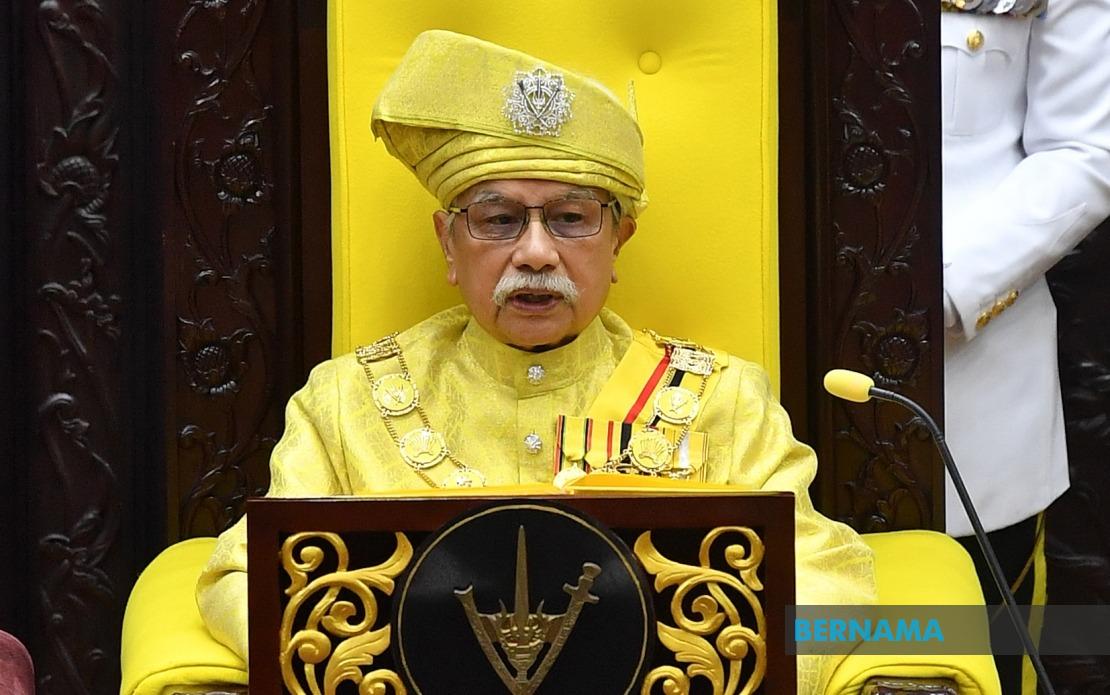
The Yang Dipertuan Besar of Negeri Sembilan, Tuanku Muhriz Tuanku Munawir, will preside over a formal royal audience ceremony this Saturday at Istana Besar Seri Menanti to officially recognise the installation of Hassan Ab Hamid as the 22nd Undang of Luak Rembau. The decision was announced during proceedings at the palace in Kuala Pilah when Tunku Besar Seri Menanti, Tunku Ali Redhauddin Tuanku Muhriz, conveyed the royal consent to the adat leadership of Rembau after receiving notice of the selection process.
Hassan Ab Hamid, aged 67, was selected to assume the hereditary position through customary procedures that have governed the selection of Rembau's traditional leaders for generations. The choice was made following the death of his predecessor, Datuk Lela Maharaja Datuk Muhamad Sharip Othman, who passed away on May 15, 2024, at the age of 83. In his formal remarks, Tunku Ali Redhauddin acknowledged that the selection process had been conducted in accordance with established adat traditions specific to Rembau, reflecting the community's commitment to preserving centuries-old governance practices.
A critical distinction emerged during discussions regarding the nature of the royal role in this ceremonial process. Datuk Juan Datuk Zulkipli Shamsudin, chairman of the Kerapatan Buapak Delapan ceremony for the Biduanda Nan Dua Carak customary clan, emphasised that under the Adat Perpatih system that prevails in Negeri Sembilan, the Undang is fundamentally chosen by the luak community itself rather than appointed through royal decree. This represents an important clarification for those unfamiliar with the distinctive governance structures that have long characterised this region.
The Adat Perpatih system, which differentiates Negeri Sembilan from other Malaysian states, vests considerable authority in customary councils and hereditary community structures. According to this framework, the sovereign's involvement is limited to receiving delegations from the luak when they present their decision and, when ceremonially appropriate, extending formal acknowledgment and consent to the choice made by the community itself. The distinction underscores that the Yang Dipertuan Besar does not exercise unilateral power to summon candidates, select individuals, or impose appointments independently of adat processes.
Zulkipli was explicit in correcting potential misconceptions about royal authority within this context. He stated that any interpretation suggesting the sovereign personally chooses or nominates an Undang at his own discretion misrepresents fundamental principles that have structured Negeri Sembilan's administration for centuries. This clarification carries significance for understanding how constitutional monarchy operates within state-level governance in Malaysia, particularly in regions where customary law retains substantial practical authority.
The Istiadat Menghadap Menjunjung Duli Bagi Menyempurnakan Kejadian Undang Luak Rembau—the formal ceremony of presentation and consent—represents the culmination of internal selection processes that have already occurred within the Rembau community. Tunku Ali Redhauddin conveyed his father's approval that this formal proceeding should take place, while indicating that practical arrangements would be coordinated between adat leaders and palace officials designated as Orang Empat Istana.
For Malaysian and Southeast Asian audiences, Negeri Sembilan's persistence in maintaining Adat Perpatih structures offers a distinctive perspective on how traditional governance frameworks coexist with modern constitutional arrangements. Few places in the region retain such living systems of customary law and hereditary leadership selection, making these ceremonies significant not merely as local events but as demonstrations of institutional continuity across generations. The institution of Undang itself carries historical weight, representing lineages of hereditary leadership that predate colonial administration and have survived subsequent political transformations.
The succession from Datuk Lela Maharaja to Hassan Ab Hamid marks another chapter in these continuities. That Hassan Ab Hamid's selection proceeded through community consensus rather than external appointment reflects the Adat Perpatih principle that leadership legitimacy derives from internal communal endorsement rather than external imposition. This governance philosophy contrasts sharply with appointment systems prevalent elsewhere, offering insights into alternative models of legitimacy and democratic participation at the community level.
The formal royal audience on Saturday will serve both ceremonial and constitutional functions. While the community has already made its selection, the sovereign's formal reception and acknowledgment transforms that internal decision into one recognised within the broader state structure. For Hassan Ab Hamid, the ceremony represents transition from being recognised within his luak to holding recognised standing as the state's acknowledged Undang. The proceedings will be observed by adat practitioners and community representatives, reinforcing public awareness of legitimate succession and continuity of traditional authority.
Malaysian constitutional scholars often highlight the importance of understanding regional variations in state governance, and Negeri Sembilan's system provides instructive examples of how indigenous governance structures have been incorporated into the broader federal framework. The Yang Dipertuan Besar's role, precisely delineated as involving consent rather than selection, illustrates how traditional sovereignty and modern constitutional limits operate in concert. This Saturday's ceremony will exemplify these principles in practice, formalising a leadership transition that originated within the community and now receives formal state recognition.
The careful calibration of roles—with adat leaders conducting selection, community endorsement legitimising the choice, and the sovereign providing ceremonial recognition—demonstrates sophisticated institutional design. Such arrangements suggest that traditions need not be static or incompatible with contemporary governance; instead, they can be preserved through deliberate observance of prescribed procedures that maintain their essential character while functioning within modern constitutional contexts. Hassan Ab Hamid's installation thus carries implications beyond Rembau itself, serving as a practical illustration of how customary governance persists and adapts in contemporary Malaysia.

