Bishnu Prasad Paudel, who previously served as finance minister in Nepal, was taken into custody late Monday following allegations that he engaged in money laundering, according to statements issued by police authorities in Kathmandu. The arrest represents part of a broader enforcement drive by Nepal's current administration, which has built its political platform around tackling the systemic corruption that plagued prior governments.
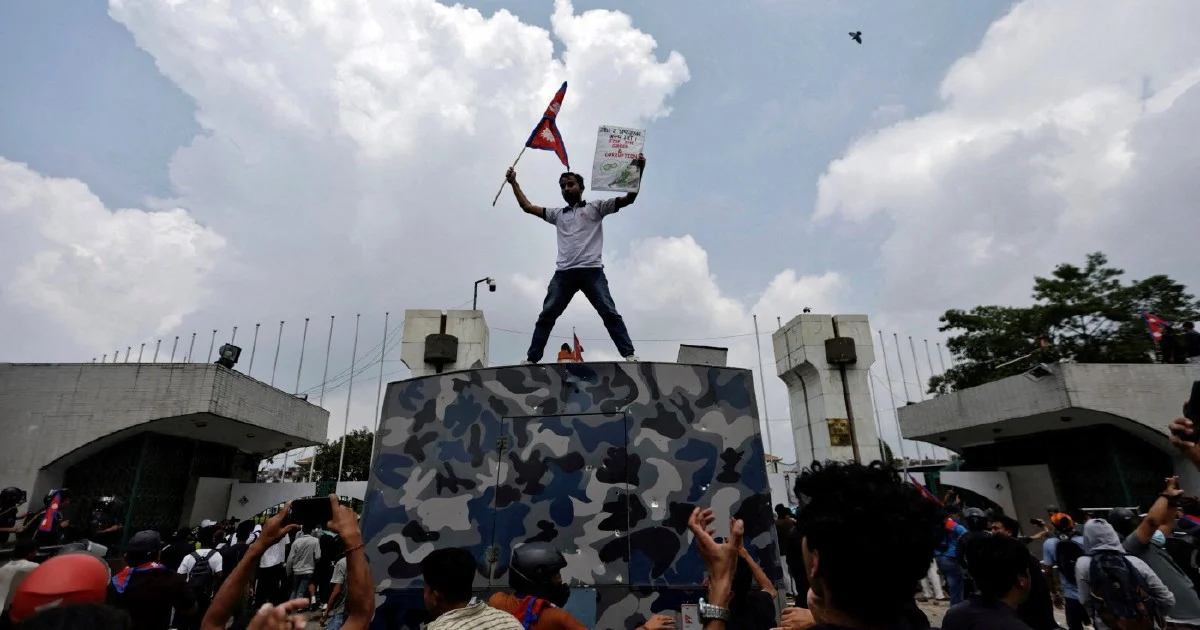
The country's present leadership, notably backed by a wave of support from younger voters, has made anti-corruption initiatives a cornerstone of its agenda since assuming power. This arrest underscores the administration's willingness to pursue high-profile figures from previous regimes, signalling an intent to reshape public institutions and restore faith in governance through decisive action against alleged financial crimes. The timing and prominence of the case suggest the government is keen to demonstrate tangible progress on its anti-graft platform to its generational base.
Money laundering investigations in South Asia have historically been complex, often involving layers of shell companies, informal banking networks, and cross-border fund transfers that obscure the origin and destination of illicit funds. Nepal's financial systems, like those across much of the region, face persistent challenges in detecting and preventing such schemes. The specifics of the charges against Paudel, and the evidence authorities claim to have gathered, will likely be revealed through formal legal proceedings in the coming weeks.
Former finance ministers occupy positions of significant influence over budgetary allocations, tax policy, and financial regulation—roles that have been associated with corruption allegations across South Asian nations. The responsibility for managing national funds creates opportunities for misconduct if adequate oversight mechanisms are absent or ignored. Paudel's tenure in this capacity means scrutiny of his period in office could implicate broader systems of financial mismanagement during his administration.
The Gen Z-led political movement in Nepal has framed anti-corruption work as essential to the country's development and international standing. Nepal's ability to attract foreign investment and secure multilateral financing for infrastructure projects depends partly on demonstrating effective governance and rule of law. High-profile prosecutions of former officials serve both domestic political purposes and international signalling about the government's commitment to financial integrity.
South Asian countries have increasingly faced pressure from international financial institutions and Western governments to strengthen anti-money laundering frameworks and enforcement. Nepal, like other nations in the region, remains on monitoring lists for financial crime risks. Visible prosecution of former senior officials helps demonstrate compliance with international standards, though critics often question whether such efforts target political opponents selectively rather than addressing systemic institutional weaknesses.
The arrest raises important questions about how Nepal's justice system will handle the case. The country's courts have faced criticism for slow case progression, limited resources, and susceptibility to political influence. How thoroughly the prosecution pursues evidence, whether conviction is achieved, and what sentences are imposed will signal whether this represents genuine institutional reform or selective retribution. These outcomes will carry implications for investor confidence and Nepal's broader development trajectory.
Regional observers will likely watch this case as a bellwether for how Nepal manages transitions of power and accountability for past administrations. Other South Asian countries grappling with similar governance challenges—including Bangladesh, Pakistan, and Sri Lanka—have pursued varying approaches to post-transition justice, from truth commissions to selective prosecutions. Nepal's approach could influence how other nations balance the competing demands of accountability, reconciliation, and institutional rebuilding.
The current government's anti-corruption campaign could reshape political dynamics in Nepal, where consensus-building among competing factions has historically been fragile. If prosecutions are perceived as fair and evidence-based, they may strengthen institutional legitimacy. Conversely, if the public views them as politically motivated, they risk deepening polarization and undermining trust in judicial independence. The cases pursued in coming months will be crucial in determining which trajectory Nepal follows.
For Malaysian and Southeast Asian readers, Nepal's experience offers instructive lessons about balancing transitional justice with institutional stability. Like many nations in the region, Malaysia has grappled with high-profile corruption cases involving former officials, requiring careful calibration between accountability demands and the need for stable, predictable governance. How Nepal manages this balance—and whether its younger, reform-minded leadership can deliver on anti-corruption promises—will inform regional debates about addressing entrenched financial crimes without destabilizing democratic institutions.

