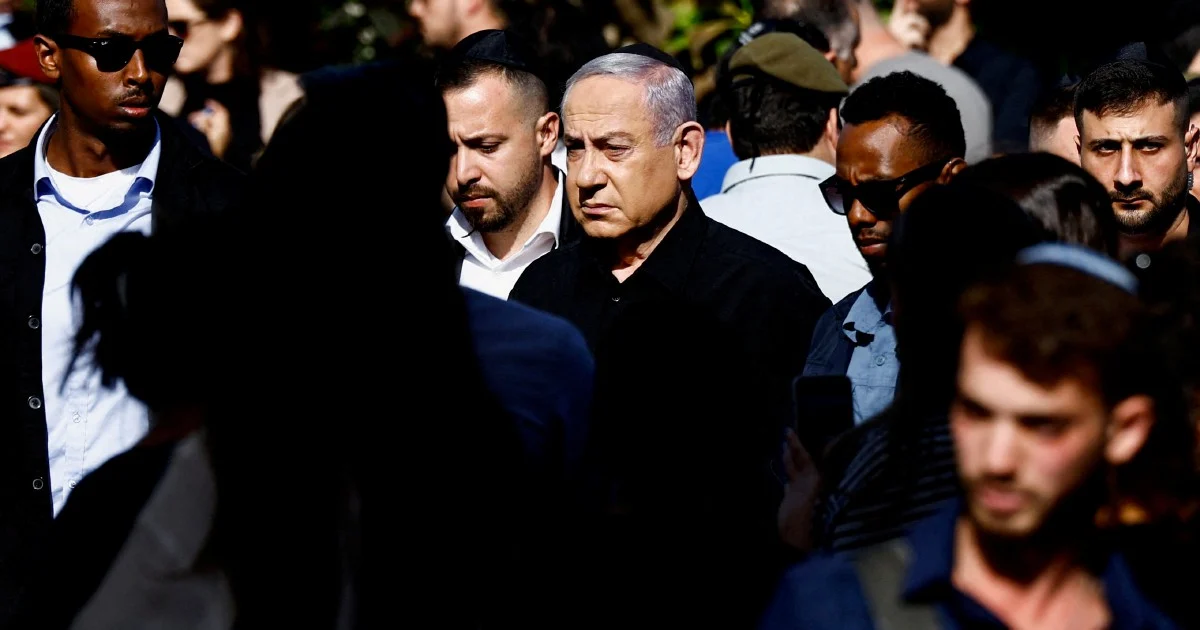
Israeli Prime Minister Benjamin Netanyahu has completed his testimony in the corruption cases against him, according to a statement from the justice ministry on Wednesday. The conclusion of his evidence-giving represents a major development in trials that have shadowed his tenure as leader and raised questions about the sustainability of his political position amid legal jeopardy.
The three separate indictments against Netanyahu involve charges related to bribery, fraud, and breach of trust in matters spanning his business dealings and political conduct. These cases have proceeded through Israel's court system for years, with Netanyahu's testimony forming a critical component of the defence strategy. The completion of his testimony signals that the judicial process has moved into a new phase, though verdicts remain uncertain and could take considerably longer to reach.
Netanyahu's legal entanglements have become intertwined with his broader political standing in Israel. While he maintains the support of his coalition government—a coalition heavily dependent on far-right and religious parties—the ongoing trials have created persistent uncertainty about his capacity to govern effectively during periods of high national tension. The timing of his testimony's conclusion is noteworthy, coinciding with significant regional security concerns that demand undivided political attention.
Those security concerns centre on negotiations and developments surrounding Iranian nuclear policy and broader regional geopolitics. The US-Iran diplomatic engagement, which Netanyahu and his government have characterised as fundamentally misguided, represents a source of profound strategic anxiety for Israel. The Prime Minister and his security establishment have long argued that any accommodation with Iran directly threatens Israeli national interests and regional stability, particularly given Iran's support for armed groups hostile to the Jewish state.
Netanyahu's framing of these international negotiations as detrimental reflects Israel's long-standing position that Iran represents an existential threat requiring either diplomatic isolation or military containment. The potential emergence of a revised nuclear agreement—or even the restoration of the Joint Comprehensive Plan of Action from which the previous American administration withdrew—would fundamentally alter the Middle Eastern strategic equation in ways Israel's leadership finds deeply concerning.
For Malaysian and Southeast Asian observers, these developments carry multilayered significance. The persistence of Middle Eastern conflicts and their underlying causes remain consequential for global security architecture and energy markets. Malaysia, as a Muslim-majority nation with significant economic interests in regional stability, maintains careful diplomatic balances with various Middle Eastern stakeholders. Israeli domestic political instability, particularly when coupled with regional tensions, can reverberate across international relations and influence broader geopolitical alignments.
The convergence of Netanyahu's legal challenges with heightened regional tensions creates a complex political environment within Israel. Opposition parties continue to argue that his criminal trials make his position untenable, yet his coalition partners have proven unwilling to withdraw support. This dynamic reflects Israel's polarised political landscape, where coalition arithmetic often supersedes considerations of leadership legitimacy in other democracies.
The trials themselves are expected to continue their deliberative pace through the Israeli court system. Expert observers suggest that final verdicts could remain months or potentially years away, meaning that Netanyahu will likely continue governing while facing these serious criminal charges. This unprecedented situation in Israeli politics—a sitting prime minister simultaneously leading the government and defending himself in court—has generated significant international commentary about democratic norms and the separation of powers.
Netanyahu's coalition depends substantially on nationalist and religious parties that have remained loyal despite the corruption charges. These parties view him as essential to their policy agenda, particularly regarding settlement expansion and judicial reform. The potential collapse of his government could trigger new elections, an outcome that carries its own uncertainties and costs at a moment when regional security concerns demand stable, decisive governance.
The judicial system's progress through these cases will inevitably influence Israeli political calculations in the coming months. Should convictions emerge on significant charges, pressure for Netanyahu's departure would intensify substantially. Conversely, acquittals or dismissals would vindicate his position and likely strengthen his political standing, particularly among supporters who view the trials as politically motivated prosecutions by a hostile establishment.
As these legal proceedings continue their course, the international community watches developments in Israel's governance closely. For Southeast Asian nations monitoring Middle Eastern affairs, the outcome of Netanyahu's trials and their political ramifications could influence regional stability calculations and broader patterns of international alignment that extend far beyond the immediate Israeli context.

