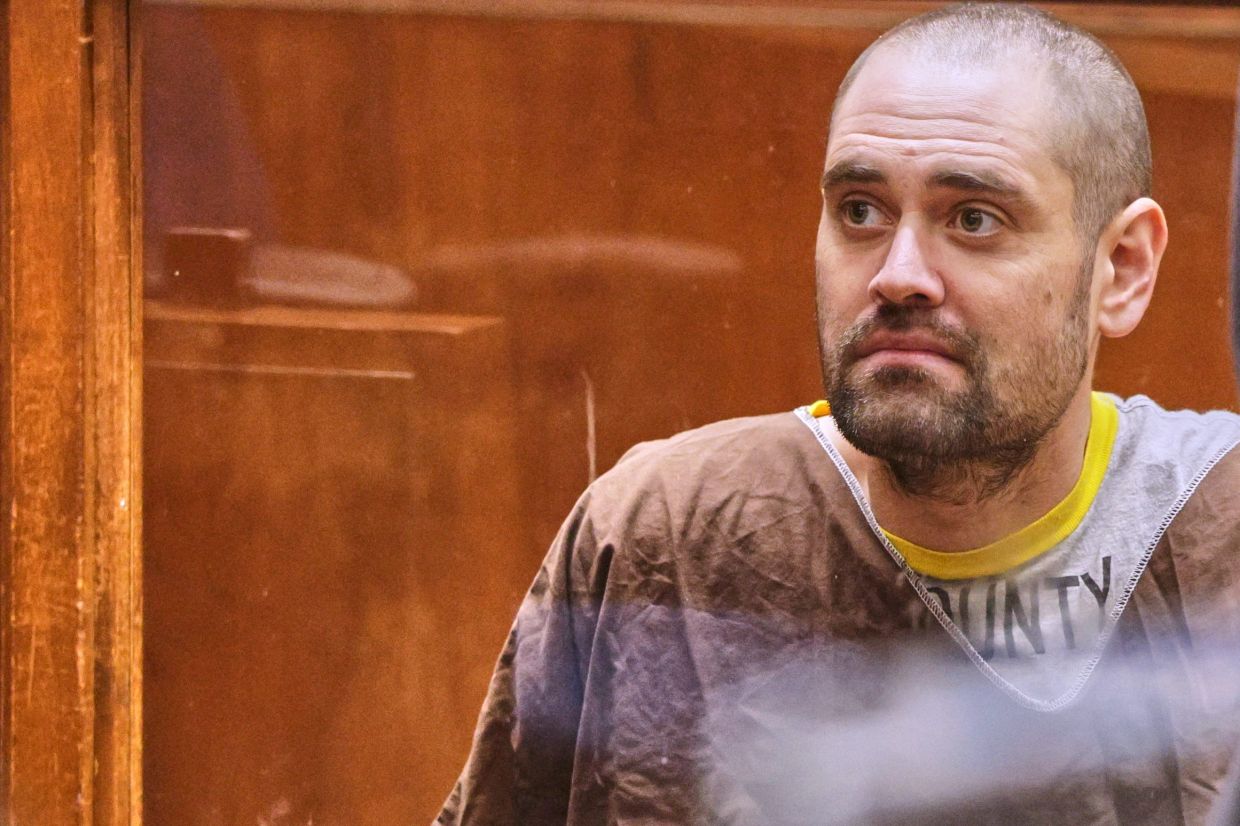
Nick Reiner, the 32-year-old son of acclaimed film director Rob Reiner, has moved to access funds from a trust his parents established for him, arguing that trustees have wrongfully withheld money he is legally entitled to receive. The petition, filed through his civil attorneys in Los Angeles County court, contends that he needs these resources to mount an adequate defence against murder charges stemming from the December stabbing deaths of his parents in their Brentwood home.
The timing of the petition underscores the financial pressures mounting on Reiner's case. His initial high-profile defence lawyer, Alan Jackson, departed the matter within weeks of being retained, citing undisclosed reasons. The filing reveals that Reiner's siblings, Jake and Romy Reiner, had initially agreed to fund Jackson's representation but subsequently reversed their decision. Jackson's own declaration accompanying the petition signals his readiness to resume representation should the financial situation improve, suggesting that money remains the central obstacle to continuity in Reiner's legal strategy.
Rob Reiner, a prolific filmmaker whose catalogue spans some of Hollywood's most iconic productions from the 1980s onwards, was found dead alongside his wife Michele Singer Reiner on December 14 in their upscale Los Angeles residence. The circumstances surrounding their deaths have remained largely shrouded in secrecy, with court orders restricting autopsy details and authorities offering virtually no information about potential motives. Reiner was arrested hours after the discovery and subsequently pleaded not guilty to two counts of murder, though he currently faces the possibility of capital punishment pending the District Attorney's charging decision.
The trust document in question, established in 1993, explicitly stipulated that Nick Reiner would receive half of its assets upon reaching age thirty, with the remainder due at thirty-five. According to the petition, the younger Reiner never received the funds designated for his thirtieth birthday milestone. The trust's current trustee, attorney Paul R. Kanin—appointed in February—has refused to release the money, offering what the petition characterises as inconsistent justifications that have evolved over time.
Kanin's resistance appears rooted partly in concerns about Reiner's mental competence, though the petition argues such considerations are legally irrelevant to a mandatory distribution schedule clearly delineated in the trust instrument. The trustee has also declined to disclose the trust's precise asset valuation, though the petition indicates it contains at least $1.5 million in holdings. This opacity prevents Reiner's legal team from even determining the full scope of resources he should legitimately access for his defence and living expenses while incarcerated.
For readers in Malaysia and across Southeast Asia, this case illuminates significant differences in how Western legal systems handle the intersection of criminal defence and financial resources. The robust right to access private funds for legal representation, albeit contested here, reflects fundamental assumptions about wealthy defendants' ability to mount comprehensive defences. In many jurisdictions across the region, access to family resources during criminal proceedings is treated with far greater circumspection, reflecting different balances between familial interests and state authority.
The litigation also reveals tensions within the Reiner family structure that have surfaced publicly through the trust dispute. Jake Reiner's account in April of the experience as a "living nightmare" that is "too devastating to comprehend" captures the emotional devastation wrought by the allegations, while the younger siblings' initial financial support followed by withdrawal speaks to the complexity of family loyalties when murder charges are involved. Such internal fractures have significant practical consequences, as they directly undermine the accused's capacity to afford experienced counsel.
The criminal proceedings themselves have advanced slowly. Reiner's pretrial hearing is scheduled for September, leaving substantial time before any trial might commence. District Attorney Nathan Hochman has indicated that his office has not yet finalised its position on whether to pursue capital punishment, a decision that could fundamentally alter the trajectory of the case and the resources required for Reiner's defence. The absence of significant leaks from either prosecution or defence has preserved an unusual level of confidentiality about basic facts of the case.
Jackson's public assertion, delivered outside court on the day he left the matter, that "pursuant to the laws of California, Nick Reiner is not guilty of murder," underscores the presumption of innocence that formally governs American criminal procedure. Yet the practical exercise of that presumption depends substantially on a defendant's financial capacity to challenge the state's case. Reiner's petition essentially argues that the trust mechanism created by his parents should function as an equaliser, ensuring that inherited resources rather than mere accusation determine whether a defendant can afford competent representation.
The broader implications for property law and criminal justice intersect in this case. Trust documents, typically designed to manage family wealth across generations, occasionally collide with criminal proceedings in ways their drafters never contemplated. The dispute between Reiner and Kanin will likely establish precedent regarding trustees' obligations to release funds when beneficiaries face criminal charges, a question that receives relatively little attention in trust law jurisprudence outside of cases involving extreme circumstances.
Reiner's situation also reflects the substantial cost of murder defence in contemporary America, where comprehensive legal representation in capital cases routinely exceeds $1 million. The $1.5 million that his trust apparently contains provides a meaningful but not unlimited resource, suggesting that even with the petition's success, questions about funding the entirety of an adequate defence may persist. The case thus transforms a private family trust dispute into a public question about whether inherited wealth should determine an accused person's access to justice.