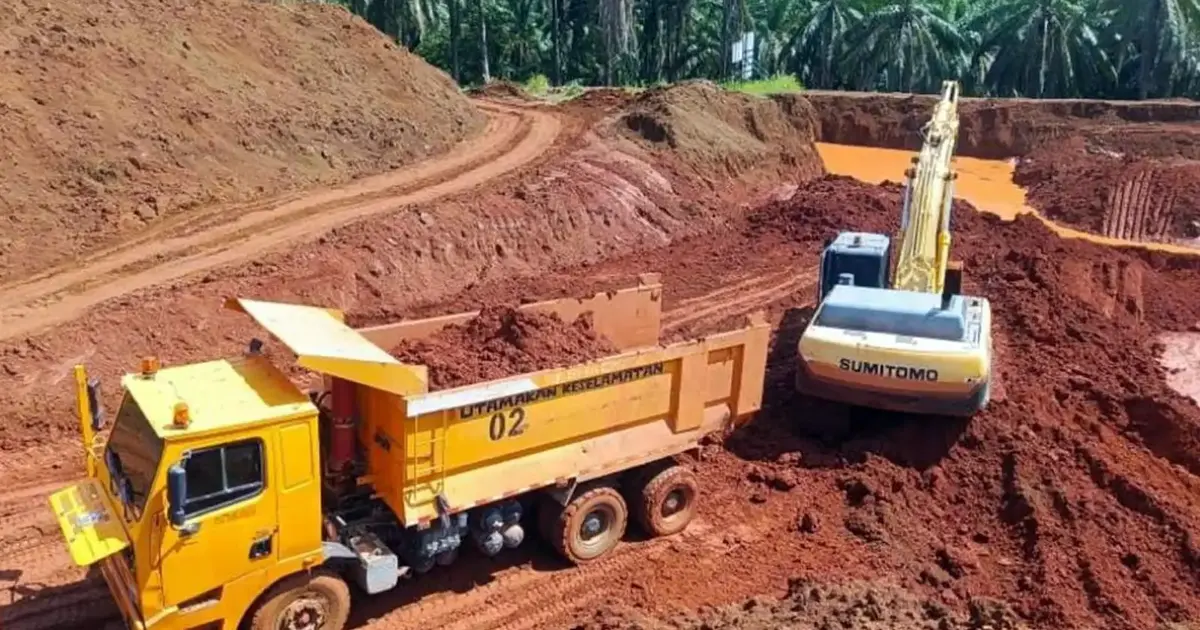
A significant crackdown on illegal mining activities has resulted in the arrest of nine individuals suspected of running an underground bauxite extraction operation on a Felda plantation. The General Operations Force spearheaded the operation, which also led to the confiscation of assets valued at RM3.75 million, signalling intensified governmental efforts to combat resource theft in the country's agricultural zones.
The suspects, which include nine foreign nationals, are believed to have been orchestrating systematic bauxite mining operations in defiance of Malaysian environmental and mining regulations. The scale of seized assets suggests this was not a small-time opportunistic venture but rather a well-resourced illegal enterprise operating within a sensitive agricultural area managed by the Federal Land Development Authority.
Illegal bauxite mining has emerged as a persistent challenge across Southeast Asia, with Malaysia serving as both a significant victim of such operations and a historical regional hub for bauxite extraction. The practice depletes mineral resources without regulatory oversight, causes environmental degradation, and deprives the government of legitimate mining revenues and licensing fees. That the operation was centred on Felda land indicates how criminal syndicates target state-managed plantations where they may exploit operational complexities or security gaps.
The involvement of foreign nationals in the arrested group points to a transnational dimension often characteristic of resource smuggling networks. Such operations typically involve coordinated supply chains extending across borders, suggesting that bauxite extracted illegally from Malaysian sites may have been destined for regional markets or international buyers willing to purchase materials of questionable provenance. This cross-border element complicates enforcement and requires coordination between Malaysian authorities and neighbouring nations.
The General Operations Force, a paramilitary unit traditionally focused on internal security, taking the lead in this operation underscores the severity with which authorities now regard illegal mining. The agency's involvement suggests that authorities view these operations not merely as administrative violations or simple theft but as threats meriting specialized tactical intervention. The scale of asset seizure—reaching RM3.75 million—provides concrete evidence of the financial stakes involved and the profitability driving criminal interest in bauxite extraction.
For Malaysian readers and businesses, the implications are multifaceted. Illegal mining operations undermine legitimate commercial competition by extracting resources without incurring proper taxes, labour protections, or environmental remediation costs. Companies operating legally within mining and agricultural sectors face unfair competition from criminal actors who operate outside regulatory frameworks. Furthermore, environmental damage from uncontrolled mining—soil contamination, water pollution, and habitat destruction—affects surrounding communities and agricultural productivity.
The Felda context adds particular significance. As a federally managed agricultural scheme supporting thousands of smallholder farmers, Felda plantations are meant to generate sustainable livelihoods and economic activity. When criminal enterprises exploit these areas, they undermine the scheme's foundational objectives and compromise the security and viability of the broader enterprise. Local farming communities may face disrupted operations, environmental hazards, and reduced land values as a consequence of nearby illegal mining.
This enforcement action reflects broader regional trends in Southeast Asia, where countries including Indonesia, Thailand, and Vietnam have similarly grappled with illegal bauxite mining. The mineral's relatively abundant deposits and rising global demand make it an attractive target for criminal syndicates. The ease with which bauxite can be extracted and transported, compared to deeper mineral deposits requiring more sophisticated equipment, has democratized illegal mining in a concerning way.
The financial magnitude of seized assets—RM3.75 million—warrants scrutiny of the operation's funding sources and international connections. Such substantial capital typically originates from organized crime networks, investment from foreign entities, or corrupt collaborators within legitimate industries. Understanding these funding mechanisms would help authorities disrupt the financial infrastructure supporting illegal mining and prevent rapid re-establishment of similar operations elsewhere.
Moving forward, this raid may catalyse enhanced security protocols on Felda properties and increased inter-agency coordination between the General Operations Force, the Ministry of Natural Resources and Environmental Sustainability, the Royal Malaysian Police, and Felda management. Stricter monitoring of equipment sales, fuel purchases, and suspicious activities in plantation zones could help deter future attempts. Technology solutions such as satellite monitoring and GPS tracking of equipment may also prove valuable deterrents.
The case also highlights the necessity for stronger penalties and prosecution frameworks specifically targeting organized illegal mining. While asset seizure removes criminal profits, sustained deterrence requires consistent convictions and meaningful custodial sentences that reflect the seriousness of the offence. Public awareness campaigns educating communities about the dangers of illegal mining and incentivizing reporting of suspicious activities could further strengthen enforcement capacity.

