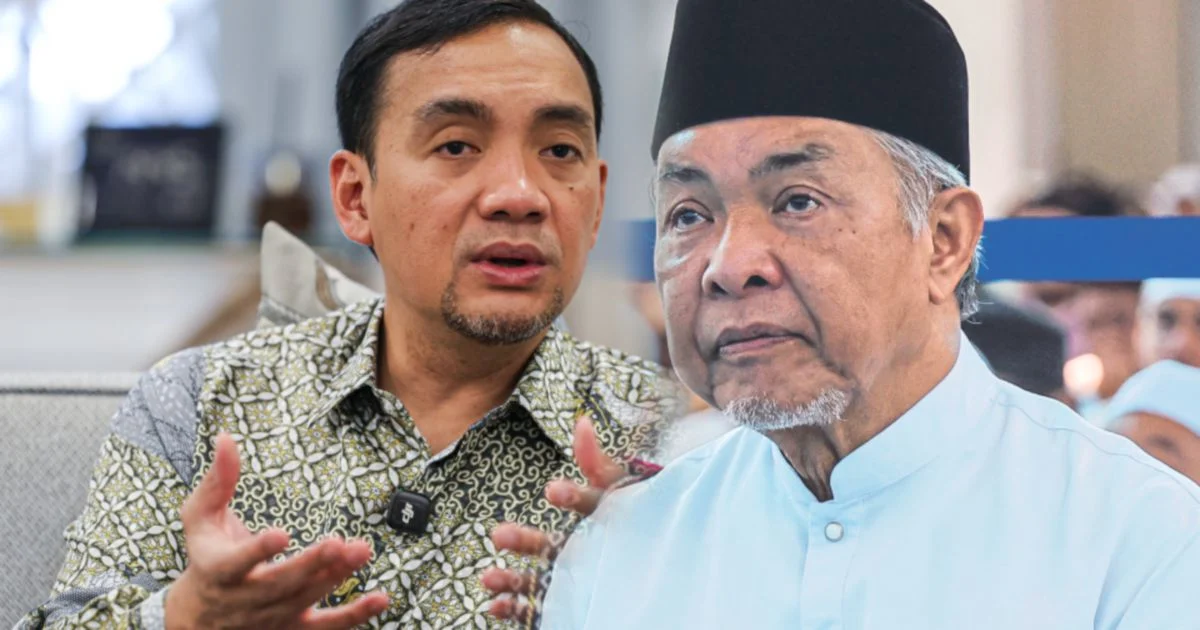
Deputy Prime Minister Datuk Seri Zahid Hamidi has moved to clarify that caretaker Johor Menteri Besar Datuk Onn Hafiz Ghazi faces no official restrictions on his access to Federal Land Development Authority (Felda) settlements, seeking to quell speculation about tensions within the political establishment ahead of state elections.
The clarification came as part of broader efforts to manage the narrative surrounding the caretaker government's operations during the interim period before scheduled state polling. Zahid's statement represents an attempt to dispel rumours that organizational barriers had been erected against the Johor leader in strategically important rural constituencies where Felda holds significant influence over voter behaviour and community sentiment.
Felda settlements remain crucial political battlegrounds across Peninsular Malaysia, particularly in Johor where the authority manages substantial land holdings and wields considerable sway among farming communities. These constituencies have historically proven decisive in determining state-level electoral outcomes, making them focal points for all major political coalitions. The settlements house thousands of smallholder farmers whose collective voting power can swing marginal seats either direction, rendering any perceived exclusion from these areas a matter of considerable political consequence.
The emergence of such clarifications typically reflects underlying factional tensions or miscommunications within government structures. When senior officials feel compelled to publicly deny restrictions, it generally indicates that whispers have already circulated suggesting otherwise. In this instance, the very need for Zahid to issue the denial suggests that questions had arisen regarding whether Onn Hafiz's position as caretaker MB might place him at disadvantage compared with other political actors seeking to campaign or conduct administrative duties within Felda areas.
Caretaker administrations occupy a peculiar constitutional position during election cycles. While retaining formal authority and administrative apparatus, they operate under conventions that substantially limit their political activities. The rules governing caretaker periods are designed to prevent sitting governments from leveraging state machinery for electoral advantage, requiring them to maintain neutrality and restrict campaigning. However, these constraints can create friction, particularly when multiple political factions compete for influence within the same administrative structures or geographical jurisdictions.
Onn Hafiz's position as Johor's caretaker MB places him in a delicate balancing act. While he must technically remain above the political fray during the interim period, he retains legitimate administrative responsibilities that could involve engagement with communities in Felda areas on governance matters. The ambiguity between purely administrative engagement and politically motivated activity creates space for interpretation and potential conflict, especially when rival figures or factions seek to limit an incumbent's visibility during the critical pre-election period.
The Zahid clarification also carries implications for broader political dynamics within Johor. Johor represents Barisan Nasional's historic stronghold and remains crucial to any coalition's electoral prospects. The state has witnessed intensifying competition between Barisan, Perikatan Nasional, and Pakatan Harapan, with each coalition attempting to consolidate rural support. Felda farmers have traditionally aligned with Barisan, but this loyalty has proven increasingly elastic in recent election cycles. Any suggestion that the caretaker administration might be curtailing legitimate political engagement would amplify concerns about institutional fairness and neutral administration during the interim period.
From a broader Southeast Asian perspective, Malaysia's caretaker conventions reflect widespread Commonwealth practices adapted to local contexts. The principle that sitting governments should refrain from partisan activity during election periods represents a democratic norm across the region, yet implementation remains inconsistent and contested. The Onn Hafiz situation illustrates how these conventions can generate grey areas and political tensions, particularly in systems where factional competition within ruling coalitions remains intense.
For Malaysian voters and observers, such clarifications warrant scrutiny regarding what circumstances prompted them. The Zahid statement, while superficially routine, actually signals that questions about fair administrative access during caretaker periods have become salient enough to require public intervention from the Deputy Prime Minister. This elevates the issue from administrative detail to potential governance concern worth monitoring throughout the interim period.
The statement also reflects the complex three-way power dynamics within Malaysia's current governing arrangement, where Barisan Nasional, Perikatan Nasional, and other coalition partners share governmental positions but maintain distinct electoral interests. When officials must publicly clarify that no discriminatory restrictions exist, it underscores how fragile coordination between these partners can become during high-stakes electoral periods. The need for such clarification suggests underlying anxiety about whether institutional systems can function impartially when multiple power centres compete within the same apparatus.
Moving forward, close observation of Felda engagement patterns during the caretaker period will indicate whether all political actors genuinely operate under consistent administrative guidelines. The transparency of such engagement—both regarding who accesses these communities and how administrative decisions affecting them are made—will test whether Malaysia's democratic institutions can maintain neutrality during electorally consequential interim periods.

