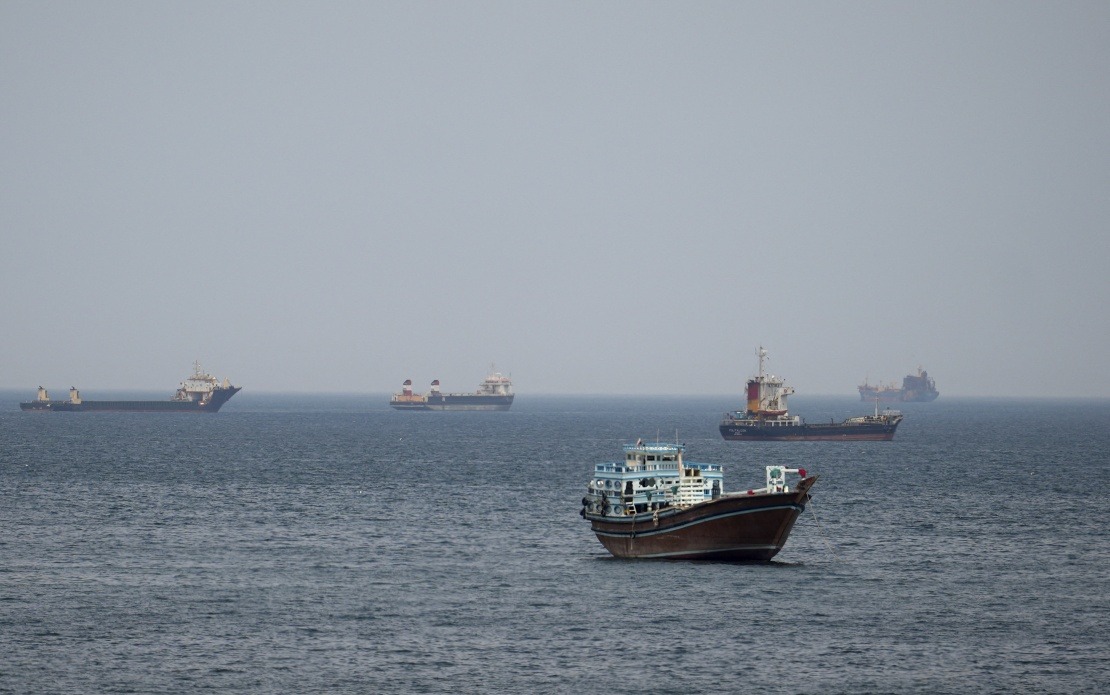
The interim agreement between the United States and Iran began implementation on Thursday, marking a significant shift in the region's geopolitical landscape as oil tankers resumed their passage through the strategically vital Strait of Hormuz. The accord represents a dramatic reversal from the confrontational stance that characterised the opening months of conflict, though fundamental disputes between the two nations continue to cloud the path forward. For Malaysia and other energy-dependent Asian economies, the development offers immediate relief after months of uncertainty that threatened to disrupt global supply chains and fuel inflation across the region.
Commodity markets reacted swiftly to the breakthrough, with oil prices reaching their lowest point since the war erupted on 28 February. Analysts attributed the decline to growing confidence that the Strait of Hormuz—which facilitates approximately one-fifth of the world's daily oil shipments—would return to relatively unrestricted operations in the coming months. This normalisation carries profound implications for Southeast Asian nations, particularly those without domestic crude reserves who depend heavily on stable international energy supplies. The price moderation should provide some breathing room for inflation-conscious central banks across the region and ease pressure on consumers already grappling with elevated transportation and electricity costs.
Yet the celebrations surrounding the agreement's commencement remain distinctly muted. Iran's Supreme Leader Ayatollah Motahar Khamenei characterised President Trump's decision to sign the accord as an act born from "desperation," signalling that forthcoming negotiations over Tehran's nuclear programme—ostensibly Trump's original justification for launching military operations—would prove exceptionally contentious. Khamenei's terse written statement, warning that "if the American side wants to be too demanding, we will not accept it," suggested that Iran enters the negotiating window from a position of strength, having successfully resisted a superpower assault and maintained strategic influence over one of the world's most critical maritime chokepoints.
The agreement establishes a sixty-day negotiating window during which diplomats must reach comprehensive accord on Iran's nuclear capabilities. Washington has simultaneously allocated three hundred billion dollars toward a reconstruction fund for Iran alongside additional financial concessions. US Vice President JD Vance, designated to lead the American negotiating delegation, has signalled that missile proliferation will constitute a central focus of these discussions, effectively broadening the agenda beyond the stated nuclear issue. This expanded scope hints at the gulf separating initial American demands from what Trump ultimately accepted, transforming what was once framed as an existential conflict into a conventional diplomatic engagement.
The contrast between Trump's original war aims and what he has now agreed to reveals the extent of the strategic realignment. When military operations commenced nearly four months ago, the stated American objectives encompassed complete dismantling of Iran's nuclear weapons capacity, elimination of its ability to threaten neighbouring states, cessation of support for regional militant groups, and facilitation of domestic regime change. Trump initially demanded Iran's "unconditional surrender," language that suggested no compromise would be entertained. The final agreement, however, addresses none of these maximalist positions, instead reflecting a sobering acknowledgement of Iran's demonstrated capacity to absorb military pressure while maintaining operational control over critical regional assets.
Iran has signalled its intention to retain substantial leverage over Strait of Hormuz operations, announcing that it will issue permits and direct vessel traffic throughout the sixty-day interim period, though no transit fees will be collected during this window. This arrangement effectively allows Tehran to maintain hand-in-glove control over oil flows while preserving the appearance of normalcy necessary for negotiations. For Malaysia, such arrangements underscore the vulnerability of energy security predicated on the goodwill of regional powers and highlight the strategic importance of diversifying supply sources and cultivating closer energy partnerships with stable, reliable producers.
The fragility of the nascent arrangement manifests most visibly in Lebanon, where Israeli operations continue unabated despite the agreement's explicit call for permanent termination of hostilities on all fronts. More than one million Lebanese civilians have been displaced by the ongoing conflict, yet Israeli forces launched fresh airstrikes early Thursday morning, seemingly oblivious to or deliberately indifferent toward Trump's stated commitment to comprehensive ceasefire. Israel, notably excluded from the original negotiations that produced the accord, subsequently released new territorial maps depicting an expanded occupation zone within Lebanese territory—a calculated signal that it neither accepts negotiated constraints on its military prerogatives nor intends to withdraw from occupied areas.
This divergence between Trump's proclaimed peace objectives and Israel's demonstrated unwillingness to halt offensive operations has precipitated one of the most significant ruptures in the US-Israeli relationship in recent decades. Trump publicly mused that constraining Israel's Lebanon operations defied elementary logic, pointing out that "if I was in the cabinet of the Israeli government, I might not be attacking the only powerful ally that I have anywhere left in the entire world." His criticism, unusually direct for an American president regarding Israel, signals a genuine policy disagreement rather than rhetorical posturing. Such tensions raise serious questions about whether Washington possesses the political will or diplomatic leverage necessary to enforce the agreement's terms against a recalcitrant ally.
Within American political circles, Trump's concessions have generated substantial criticism from fellow Republicans who question whether the president surrendered excessive leverage in exchange for conflict termination. His political vulnerability stems partly from broad public war-weariness and declining domestic support for Middle Eastern military entanglements, factors that likely influenced the decision to pivot toward negotiation. Yet conservative colleagues contend that strategic advantages gained over four months of military operations were squandered in pursuit of a diplomatic arrangement that leaves Iran's fundamental capabilities largely undiminished and potentially strengthened by demonstrated resilience.
The trajectory of the coming sixty days will prove determinative for regional stability and global energy markets. Should Israeli operations intensify rather than diminish, the entire diplomatic architecture could collapse, potentially reigniting broader conflict under even more destabilised conditions than those preceding the agreement. Conversely, should all parties honour the temporary arrangements and engage constructively in nuclear negotiations, a more durable regional accommodation might eventually emerge. For Malaysia and the wider Southeast Asian community, successful implementation of the accord represents the preferable outcome, as continued instability in the Middle East poses direct threats to economic growth and energy security that no regional alternative can adequately remedy.