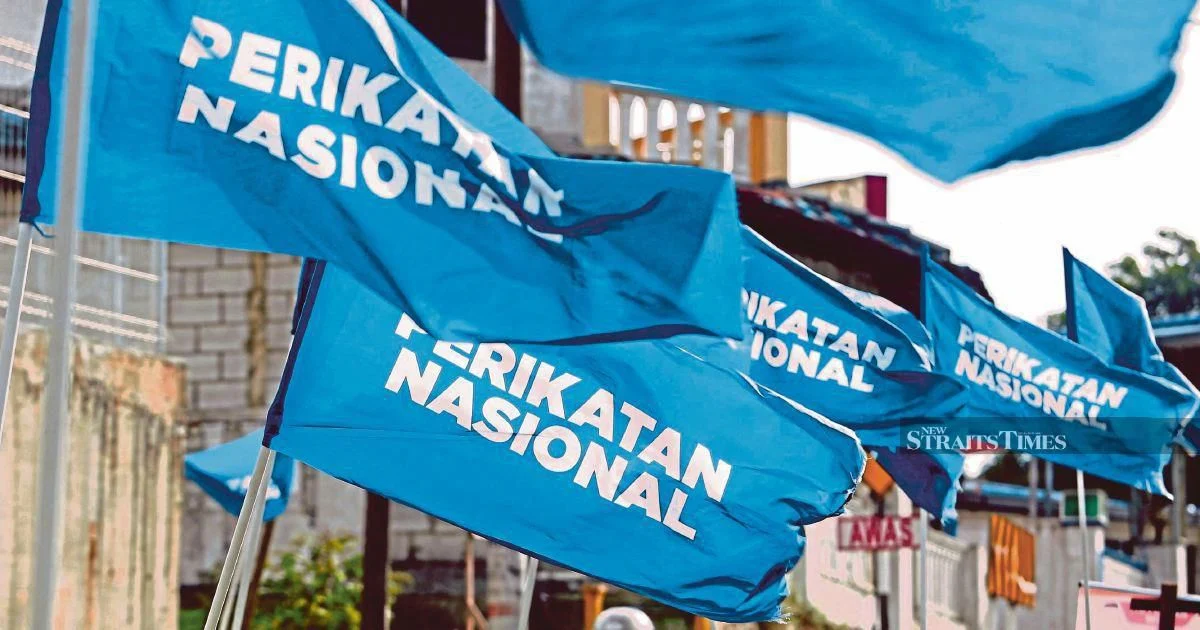
Deepening fractures within the Perikatan Nasional coalition have erupted into a fresh dispute over branding rights, with Pas questioning whether Bersatu possesses the necessary authorisation to use the PN logo in the soon-to-be-contested state elections in Johor and Negri Sembilan. The disagreement, articulated by senior Pas figures in Kota Baru, reflects the escalating tensions that have periodically destabilised the opposition alliance since its formation. This latest clash over governance protocols and coalition authority signals the growing difficulty in maintaining unity among the three main partners—Pas, Bersatu, and Perikatan Nasional's third member—ahead of critical electoral contests that could reshape the political landscape of two significant Malaysian states.
The controversy centres on a fundamental principle of coalition administration: determining which party or individual holds legitimate decision-making power over the deployment of shared symbols and resources. Pas representatives have made explicit that the coalition chairman—a position carrying defined executive responsibilities within the PN framework—represents the sole entity empowered to grant permission for any member party to utilise the coalition's logo in electoral campaigns or official party activities. This assertion of protocol underscores the formal structures that theoretically govern how Perikatan Nasional functions as a unified political entity, even as practical cooperation increasingly shows signs of strain.
The question of logo usage may appear procedurally narrow, yet it carries substantial symbolic weight within Malaysian coalition politics. The PN insignia serves as more than merely a visual identifier; it represents a shared political brand, a collective promise to voters, and a mechanism through which the coalition projects unity to the electorate. When individual parties act unilaterally in deploying such symbols, they implicitly assert a degree of autonomy that potentially undermines the coalition's coherence. For Pas, objecting to Bersatu's presumed unauthorised use of the logo constitutes a reassertion of proper governance hierarchy and a reminder that coalition membership entails constraints on independent action.
Bersatu's apparent readiness to deploy the PN logo without explicit approval from the coalition chairman suggests either a different interpretation of coalition governance or a deliberate challenge to established procedures. Tan Sri Muhyiddin Yassin, who chairs Bersatu and holds significant influence within PN structures, may have believed his position afforded sufficient latitude to authorise such usage on behalf of the coalition. Alternatively, Bersatu leadership might argue that the distinction between coalition logo usage and individual party campaign materials has become unnecessarily rigid given the practical realities of electoral politics. This divergence in understanding fundamental coalition protocols indicates that Perikatan Nasional lacks clearly codified procedures or that existing procedures are interpreted inconsistently by member parties.
The timing of this dispute carries particular significance given the imminent state elections in Johor and Negri Sembilan. These contests represent important tests of PN's electoral appeal and its ability to challenge the Barisan Nasional and Pakatan Harapan in strategically significant states. Johor, long a BN stronghold with substantial economic and demographic weight, and Negri Sembilan, with its own unique political dynamics, offer opportunities for PN to demonstrate electoral viability. Internal conflicts over procedural matters threaten to distract from campaign messaging and potentially confuse voters regarding the coalition's organisational coherence. A coalition that cannot agree on basic governance practices sends an undesirable signal to an electorate evaluating whether PN represents a credible alternative government.
The broader context of Perikatan Nasional's internal troubles extends beyond this singular dispute over logo authority. The coalition has witnessed repeated tensions between its constituent parties, reflecting divergent political priorities, competition for influence, and fundamental differences in ideology and approach to governance. Pas, drawing its strength from Islamic constituencies and traditional opposition bases, operates within a worldview shaped by religious nationalism and grassroots organisation. Bersatu, by contrast, emerged from within the Malay establishment and retains a more technocratic orientation alongside its Malay-Muslim focus. These structural differences have repeatedly surfaced as policy disagreements, leadership contests, and disputes over resource allocation.
Within Malaysian political tradition, such coalition management disputes typically reflect underlying power struggles masked by procedural language. When Pas insists that only the coalition chairman can authorise logo use, the party simultaneously reasserts its expectation of voice in fundamental coalition decisions and signals that Bersatu should not act unilaterally on matters affecting the PN brand. For Pas, which commands significant electoral strength particularly in northern Malaysia and among religious constituencies, this represents a pushback against any perception that Bersatu—despite holding the coalition chairmanship—monopolises decision-making power. The dispute thus encodes broader anxieties about how power ought to be distributed within the partnership.
For Malaysian voters and political observers, these internal coalition dynamics matter considerably. The stability and coherence of opposition alliances determine whether they can effectively challenge the incumbent government. If Perikatan Nasional cannot establish clear internal procedures or resolve disputes amicably, its credibility as a potential alternative governing force diminishes. Voters assessing which coalition merits their support naturally consider organisational competence and internal discipline. A coalition wracked by procedural conflicts and territorial disputes projects weakness and raises questions about whether its leaders would govern effectively should they attain office.
The resolution of this particular dispute remains uncertain. The coalition chairman's office may issue clarifying guidance on logo usage protocols, effectively settling the immediate question while potentially establishing precedent for future decisions. Alternatively, PN's leadership committee might convene to formally codify logo usage procedures and corresponding approval mechanisms. Either approach would require the parties to acknowledge the ambiguity in existing arrangements and commit to clearer protocols going forward. Without such institutional clarity, similar disputes will likely recur whenever electoral campaigns approach, repeatedly exposing internal fissures at moments when unity would serve PN's electoral interests most crucially.
As the Johor and Negri Sembilan elections approach, Perikatan Nasional faces the challenge of presenting itself as an organised, capable alternative while managing internal disagreements about fundamental governance procedures. How the coalition handles this logo dispute and other emerging tensions will substantially influence voter perceptions and potentially determine electoral outcomes. For Malaysian politics more broadly, the fate of PN will shape the competitive landscape facing Putrajaya, affecting both the stability of government and the quality of opposition scrutiny available to citizens.