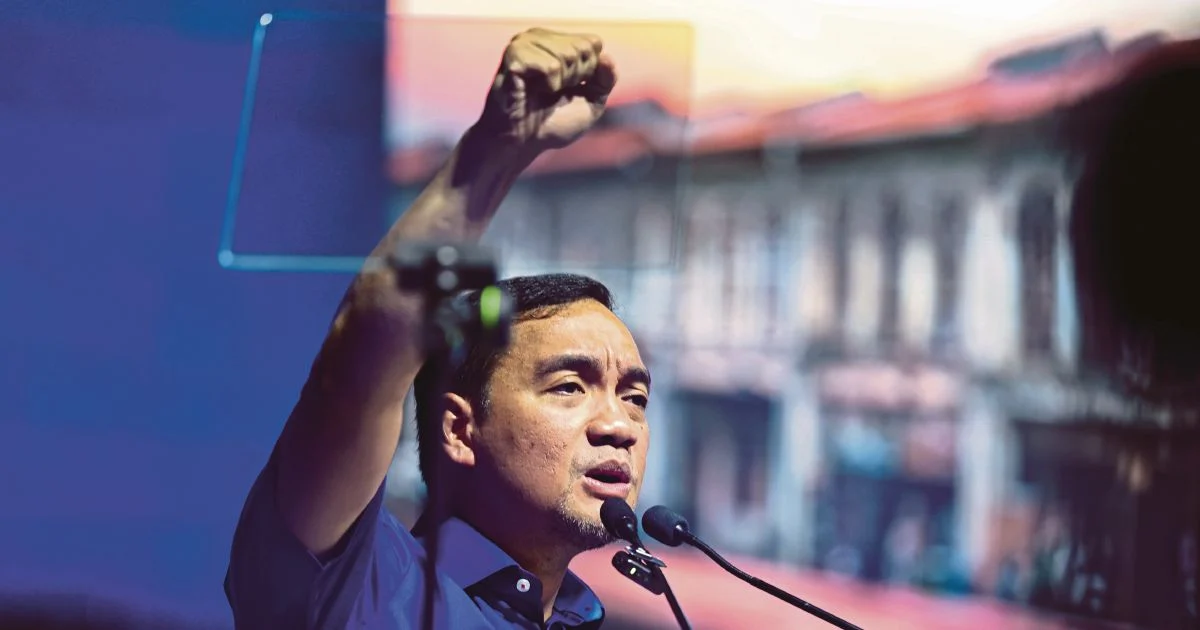
Caretaker Menteri Besar Datuk Onn Hafiz Ghazi has confirmed his candidacy for the Machap seat in the forthcoming Johor state election, positioning himself to defend the constituency that has served as his political base. The decision signals the veteran politician's determination to maintain his grip on the fiercely contested legislative district whilst continuing his push for the top executive office in Malaysia's second-largest state by economy.
The Machap seat has been a stronghold for Onn Hafiz, reflecting his established roots in the constituency and the political machinery he has built there over successive electoral cycles. By securing his position in the lower house before pursuing higher office, he ensures a legislative foundation that strengthens his negotiating position with party leadership and coalition partners in any post-election government formation discussions.
Onn Hafiz's candidacy in Machap represents a calculated strategy common among senior Malaysian politicians. Rather than abandoning his base to focus exclusively on state-level politics, remaining as a sitting assemblyman provides him with continued constituency work, grassroots credibility, and a fallback position if negotiations for the Menteri Besar post prove unsuccessful. This dual approach has become standard practice among ambitious regional politicians seeking to consolidate power while maintaining electoral legitimacy.
The Johor election takes on heightened significance within Malaysia's broader political landscape. As one of the nation's largest and most politically influential states, outcomes in Johor ripple through national coalition dynamics and frequently signal shifting voter sentiment across the peninsula. The state's economic clout and its strategic position within established political coalitions make gubernatorial contests there particularly consequential for federal-level power structures.
Onn Hafiz's tenure as Menteri Besar has been marked by his handling of state administration during a period of significant political turbulence. His caretaker status reflects the fluid political environment that has characterised Malaysian governance in recent years, where state governments frequently experience transitions and coalition realignments. How voters respond to his stewardship will substantially influence both his personal political fortunes and his party's performance across Johor's constituencies.
The Machap seat itself carries symbolic weight as his chosen battleground. Defending rather than contesting elsewhere demonstrates confidence in his personal standing within the constituency and suggests his political organisation remains intact despite broader state-level uncertainties. Constituencies in Johor have demonstrated varying degrees of loyalty to individual candidates versus party brands, making seat-specific calculations critical to electoral strategy.
Onn Hafiz's confirmation comes as political parties across the coalition spectrum finalise their candidate selections for the election. The process involves intricate negotiations between competing aspirants, considerations of electoral winnability, factional balance within party structures, and alignment with broader coalition mathematics. His early confirmation may serve to signal decisiveness to party members and consolidate support among his faction.
The election itself will test the resilience of Johor's political coalitions and the degree to which voters prioritise local representation, state-level governance records, or national political considerations. Machap voters will assess Onn Hafiz's legislative effectiveness, his accessibility to constituency concerns, and his demonstrated capacity to secure development allocations for the area. These microscopically local concerns often override broader ideological or national political calculations in determining electoral outcomes.
For Malaysian politics more broadly, Onn Hafiz's campaign provides a case study in how experienced politicians navigate the precarious terrain of caretaker governance. Unlike elected Menteri Besar, caretakers operate under heightened scrutiny regarding their legitimacy and mandate. Their ability to govern effectively whilst simultaneously campaigning for re-election tests their administrative competence and political dexterity. Onn Hafiz's approach of simultaneously defending his legislative seat and his administrative position reflects an attempt to address both legitimacy concerns.
The broader Johor election campaign will likely pivot on performance metrics from the outgoing administration, visions for the state's economic development, and how different coalitions position themselves relative to federal political dynamics. Onn Hafiz's role in that campaign will extend beyond his Machap campaign, likely positioning him as a central figure in his coalition's statewide messaging and strategy.
His candidacy also reflects calculations regarding political succession and generational renewal within Johor's political establishment. By confirming his intention to contest, he signals his continued relevance and ambitions within state politics whilst potentially encouraging or discouraging younger politicians from pursuing competing aspirations. The dynamics of political advancement in Malaysian state politics remain heavily influenced by senior figures' decisions about whether to consolidate or cede ground to emerging figures.

