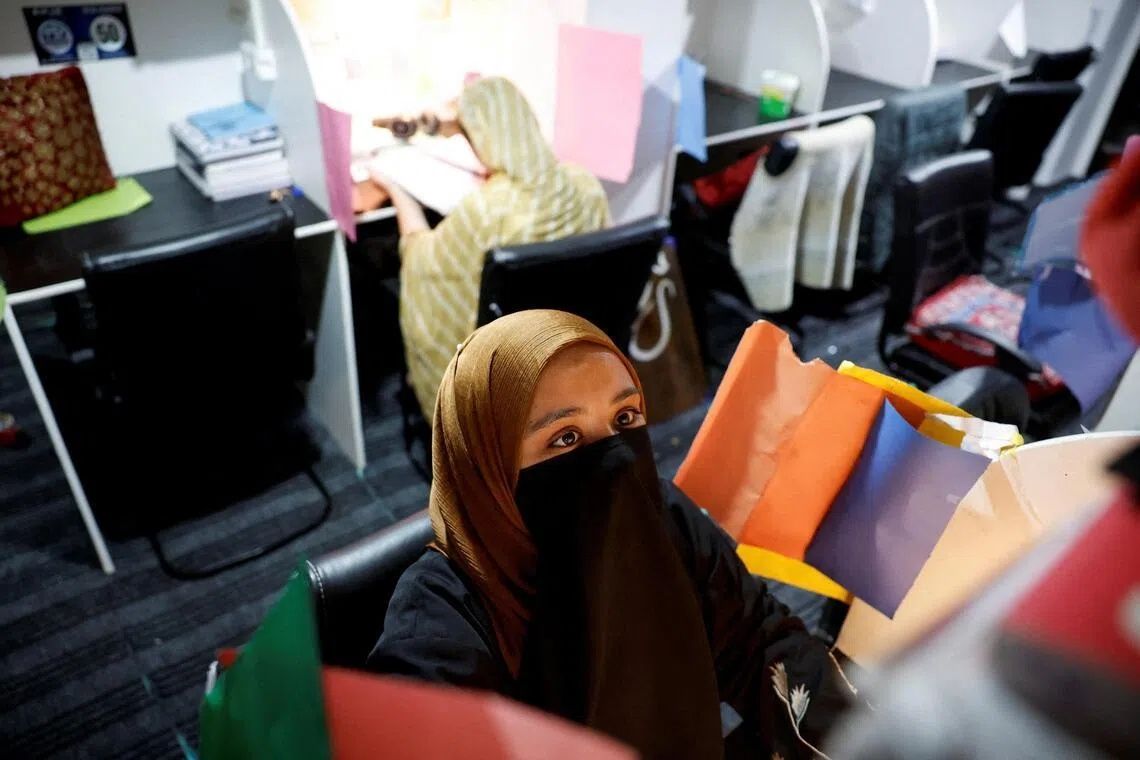
The ordeal facing India's medical school aspirants extends far beyond the conventional pressures of competitive entrance examinations. Over 2 million students are steeling themselves for a Sunday retake of the National Eligibility cum Entrance Test, a consequence of systemic failures that have compounded the already formidable mental toll of pursuing medical education in the world's most populous nation. The original examination on May 3 was invalidated following social media allegations that question papers had been circulated before the test, a breach of integrity that has left an entire cohort of young people bearing the burden of institutional incompetence.
The cascade of anxiety rippling through India's student population reflects the stratospheric stakes inherent in this particular examination. The National Eligibility cum Entrance Test represents perhaps the most critical gatekeeping mechanism in Indian higher education, with only between 5 and 6 per cent of test-takers securing coveted positions at medical colleges. For the hundreds of thousands who have invested years in preparation, undergone gruelling coaching sessions, and sacrificed normal adolescence in pursuit of a medical career, the prospect of retaking the exam represents a profound psychological blow. This is not merely another examination attempt—it is a costly and emotionally draining repeat of an ordeal that many had already endured.
Testimonies from affected students illuminate the psychological devastation wrought by the scandal. Alima Javed, a 20-year-old from Srinagar, articulated the cumulative exhaustion that many candidates are experiencing: the examination itself demands extraordinary mental fortitude, years of preparation culminate in a single test day, and then the rug is pulled from under them through no personal failing. The sense of injustice compounds the inherent stress, creating a vicious cycle where students must somehow marshal the emotional and intellectual resources to perform at peak levels once again, all while processing betrayal and systemic failure. For Aliya Jalaal, the psychological toll proved so severe that she felt compelled to seek psychiatric intervention, a telling indication of how the retake has inflamed underlying anxiety to clinical levels.
The fallout has evolved into a significant political headache for Prime Minister Narendra Modi's administration. Student protests have erupted across New Delhi and other major Indian cities, with hundreds of demonstrators gathering at multiple locations to voice their frustration and demand accountability. The ability of this issue to mobilise youth activism suggests deep disaffection with governmental competence in managing critical institutions. Opposition politicians and sections of the media have further amplified the controversy by linking the chaos to student suicides, though the verifiability of such claims remains contested. Nonetheless, the reputational damage to the Modi government is considerable, particularly given the critical role that educational access plays in Indian electoral politics and social mobility narratives.
Investigative authorities have launched a comprehensive multi-agency inquiry designed to trace the origin of the leaked question papers and to dismantle the networks that facilitated widespread cheating. The investigation has taken on operational complexity, requiring investigators to track financial trails associated with suspected cheating syndicates and to establish culpability across multiple jurisdictions. Arrests have already occurred in several states, with government officials indicating that consequences will be substantially harsher for those implicated in examination malpractice. This prosecutorial dimension underscores the seriousness with which the breach is being treated, though retrospective punishment offers cold comfort to students forced to retake the examination.
The government's response includes a raft of security enhancements intended to prevent future compromises. These encompass augmented surveillance at examination centres, reinforced protocols for handling question papers throughout the distribution chain, and the implementation of digital tracking mechanisms designed to create an auditable record of paper movement. Education Minister Dharmendra Pradhan has publicly committed to ensuring the re-test operates with rigorous fairness and transparency, recognising the need to rebuild institutional credibility. However, the credibility of these assurances has been undermined by the government's decision to impose a temporary block on the messaging application Telegram, citing security concerns related to examination integrity.
The Telegram suspension represents a controversial exercise of state power that has drawn sharp criticism from digital rights advocates and free speech activists. The government's rationale rested on Telegram's distinctive features—specifically its anonymity protocols and the ease with which blocked channels can be recreated—making it particularly susceptible to misuse by examination cheating networks. On June 19, an Indian court upheld the government's authority to implement the ban, ruling that the restrictions were both legally permissible and reasonable given the circumstances. The court's judgment emphasised that Telegram presented a unique threat distinct from other messaging platforms, thereby justifying its singular targeting. This judicial endorsement has not, however, assuaged concerns that the measure constitutes an excessive intrusion into citizens' digital freedoms in pursuit of examination security.
The disconnect between governmental security measures and student anxiety remains substantial. Despite an array of enhanced protocols and enforcement initiatives, many candidates report that these structural improvements have failed to meaningfully reduce their psychological distress. The measures may address the mechanical vulnerabilities that facilitated the original breach, but they cannot adequately address the deeper source of student anguish: the knowledge that institutional systems failed them once already, and that trust in their integrity has been fundamentally compromised. This psychological dimension—the loss of confidence in the examination's reliability—represents a challenge that security enhancements alone cannot remedy.
For Malaysian observers, the Indian examination crisis offers instructive parallels regarding the intersection of educational competition, institutional vulnerability, and psychological welfare in Southeast Asian contexts. Malaysia's own examination systems, particularly the Sijil Pelajaran Malaysia and university entrance mechanisms, operate within competitive frameworks that, while perhaps less brutally selective than India's system, nonetheless generate substantial student stress. The Indian experience demonstrates how breaches of institutional integrity can cascade into mental health crises affecting entire cohorts, and how the psychological aftermath of such breaches may persist long after security measures are ostensibly restored. The retake examination scheduled for June 21 will test not merely students' medical knowledge, but the resilience of an educational system struggling to restore legitimacy in the eyes of those it purports to serve.

