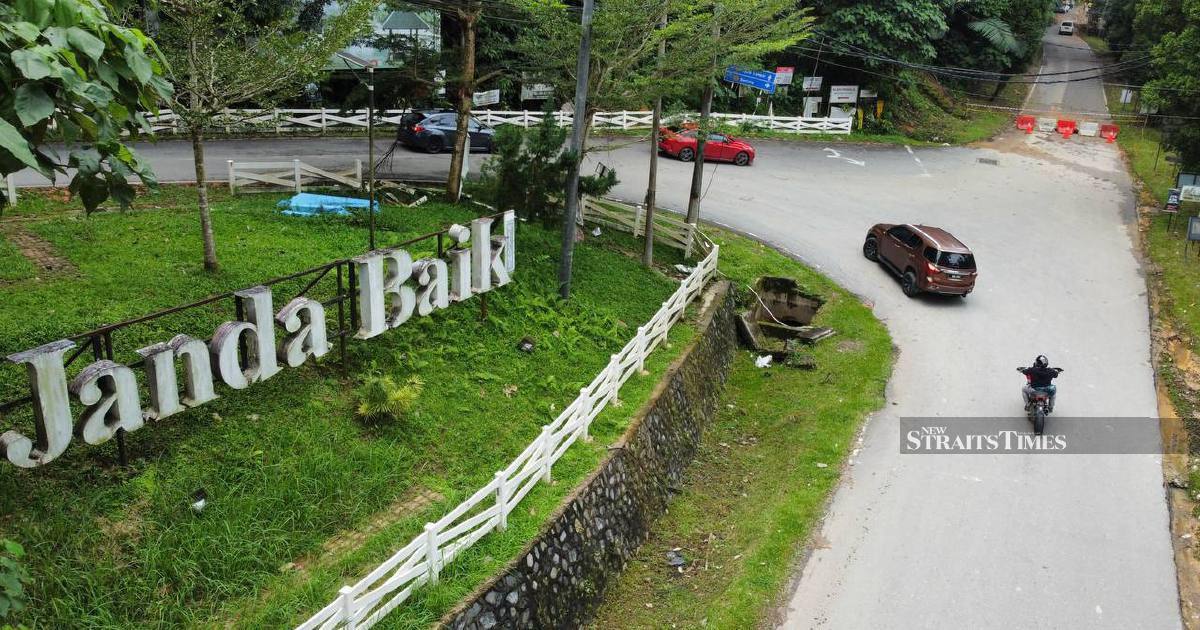
The Pahang Health Department has launched a formal investigation into reports that multiple visitors to a recreational area near Bentong fell ill after swimming and bathing in a river at Janda Baik, a popular hill resort destination known for its scenic natural attractions and cool climate.
The health authority moved to probe the allegations after receiving notification of the incident from the recreational area. Janda Baik, situated in the Bentong district of Pahang, has long been a favoured retreat for both domestic and international visitors seeking respite from the tropical heat of lowland Malaysia, with its natural river pools and surrounding forest environment serving as primary draws for weekend excursions and family outings.
The incident underscores ongoing public health concerns regarding water safety at recreational facilities across Malaysia's major tourist zones. River bathing and water activities remain popular leisure pursuits in East Coast states, yet cases of gastrointestinal illness and waterborne infections periodically surface following such activities. The timing of this investigation coincides with the year-end and festive season period, when visitor numbers to hill stations and nature reserves typically surge as Malaysians seek outdoor entertainment.
Food poisoning allegations in recreational settings often point to contamination originating from upstream sources, inadequate sewage management, or accumulated organic matter within water bodies. Investigators will likely focus on whether the river water met acceptable quality standards, whether there were identifiable sources of pathogenic organisms, and whether the recreational facility maintained adequate sanitation protocols. Pahang's Health Department typically employs water sampling and epidemiological interviews with affected individuals to trace the outbreak's origin.
The investigation carries broader implications for tourism and hospitality operators throughout the state. Janda Baik's reputation hinges significantly on perceptions of cleanliness and safety, and any confirmed outbreak could temporarily dampen visitor confidence. Resort operators and local tourism authorities have financial incentives to ensure rigorous health and safety standards, yet environmental conditions remain partially beyond their direct control when natural river systems are involved.
For Malaysian health authorities, this incident reflects a recurring challenge in balancing tourism development with environmental preservation and public health protection. Many popular recreational areas rely on natural water sources that are not subject to the same treatment and monitoring protocols as municipal water supplies. This vulnerability becomes more pronounced during rainy seasons when upstream runoff increases contamination risks.
The Pahang Health Department's investigation will provide critical data regarding the outbreak's scope, severity, and causative agents. Department officials typically conduct case assessments, collect clinical samples, and document symptoms among affected visitors to determine whether the illness stemmed from food consumption at facilities within the recreational area or directly from water exposure. Both vectors could plausibly trigger gastrointestinal distress in recreational settings.
Proactive communication from health authorities will be essential for managing public perception. Clear, transparent updates regarding investigation progress and any preventive measures implemented reassure potential visitors while demonstrating official commitment to safety. Conversely, prolonged silence or perceived foot-dragging can fuel speculation and reputational damage extending beyond the immediate incident.
The incident also highlights the importance of water quality monitoring infrastructure at popular recreational sites throughout Southeast Asia. While Malaysia possesses established public health institutions capable of responding to outbreaks, expanding baseline water quality surveillance at high-traffic recreational areas could provide early warning of contamination trends before they translate into mass illness events. Many competing tourist destinations in the region have invested in such monitoring systems as a competitive advantage.
For visitors planning trips to Janda Baik and similar locations in coming weeks, maintaining basic precautions remains prudent. These include avoiding swallowing river water during bathing, ensuring food consumed at such venues has been properly stored and prepared, and promptly seeking medical attention if gastrointestinal symptoms develop within days of such visits. Travellers should monitor official health authority announcements regarding any interim advisories affecting the facility.
The investigation's outcome will inform discussions among local government, tourism operators, and health officials regarding enhanced protocols for managing recreational water safety in Pahang. Stakeholders will likely evaluate whether existing guidelines for recreational facilities are sufficiently stringent and whether enforcement mechanisms adequately ensure compliance. Such deliberations typically occur following high-profile incidents and can result in upgraded standards benefiting public health across the sector.
As Pahang's Health Department pursues this investigation, the case serves as a timely reminder that natural recreational settings, whilst offering genuine health benefits through outdoor activity and stress reduction, introduce environmental variables that urban facilities do not. Balanced risk management—neither discouraging use of such beloved destinations nor minimising legitimate health concerns—remains the appropriate policy objective for regional tourism and health authorities.