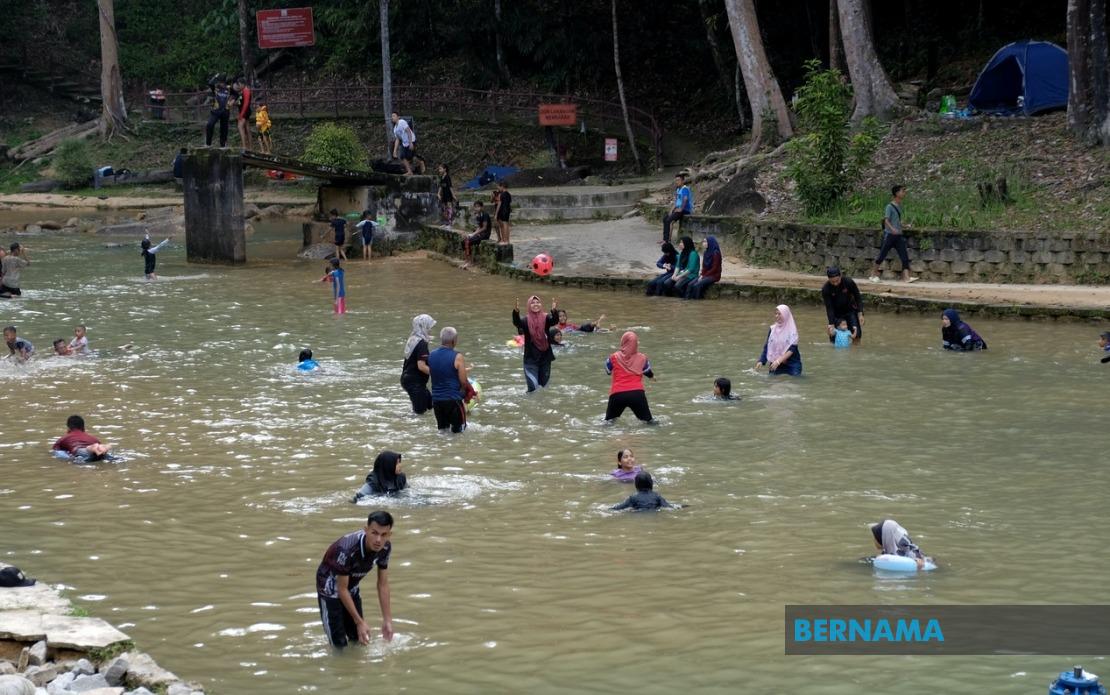
Authorities in Pahang are examining allegations that multiple visitors to a popular recreational area in the Bentong district contracted acute gastroenteritis following water-related activities, with the Pahang State Health Department (JKNP) launching a formal inquiry into the matter.
Visitors reported experiencing gastrointestinal distress including diarrhoea, vomiting, abdominal pain and fever after bathing in the river at the site. The complaints have prompted regional health officials to initiate a comprehensive investigation to determine whether a public health risk exists and, if so, to identify its source and scope.
Initial findings from JKNP's preliminary assessment provide some reassurance for the public. The department confirmed that no confirmed cases of acute gastroenteritis have yet been epidemiologically linked to the recreational site, and no surge in AGE notifications has been detected through the state's established disease surveillance network. This suggests that if an outbreak is occurring, it remains localised and limited in scale, though investigations are ongoing.
Water quality testing represents a critical component of the investigation. Raw samples were collected from multiple points along Sungai Benus in Janda Baik on June 14 for microbiological analysis to detect harmful pathogens. Laboratory results remain pending, but this testing will help determine whether contamination is present and what organisms might be responsible. The timeline for receiving these results will be crucial for understanding the exposure pathway and confirming whether the water itself is the culprit or whether other factors contributed to the reported illnesses.
Beyond water testing, JKNP is conducting wider environmental and epidemiological investigations. Officers are actively seeking out additional cases among people who visited the area, tracing their movements and identifying common exposures. Environmental risk assessments are being performed to evaluate sanitation conditions, waste management systems and potential pollution sources in and around the recreational zone. Simultaneously, the department is collaborating with other agencies to assess water quality more broadly and pinpoint possible contamination origins, whether from upstream sources, local facilities or natural causes.
Public health surveillance has been intensified across government and private healthcare facilities in neighbouring areas to catch any emerging clusters of gastroenteritis cases that might have epidemiological links to the Bentong location. This enhanced monitoring is a precautionary measure designed to detect patterns that might suggest a widespread outbreak requiring urgent intervention. Early detection through healthcare facility reporting remains essential for containing any potential public health threat.
The investigation reflects standard protocols for waterborne disease investigation in Malaysia, where tropical conditions and the popularity of natural swimming areas create ongoing public health challenges. Acute gastroenteritis outbreaks linked to recreational waters have occurred periodically across Southeast Asia, often caused by bacterial, viral or parasitic pathogens thriving in warm water environments. The issue gains particular relevance in Malaysia given the accessibility of rivers and waterfalls as recreational destinations, especially during weekends and school holidays.
JKNP has appealed to the public to refrain from speculation that might unnecessarily alarm residents while investigations proceed. Instead, individuals who develop relevant symptoms after visiting the area are urged to seek prompt medical evaluation and treatment. This approach balances transparency with the need to avoid premature conclusions that could damage local tourism or spark unwarranted public anxiety. Information updates will be released through official Health Ministry channels as evidence accumulates.
Operators of recreational facilities and accommodation providers have been advised to conduct rigorous reviews of their infrastructure. Sanitation systems, clean water supplies and sewage disposal mechanisms must meet strict public health standards and be maintained consistently to minimise environmental contamination risks and prevent waterborne disease transmission. Non-compliance with these standards could expose visitors to preventable health hazards and potentially result in regulatory action.
The investigation underscores the importance of maintaining robust disease surveillance systems that can detect unusual health patterns quickly. Malaysia's existing surveillance mechanisms appear functional in this case, as they detected the reported complaints without requiring a formal outbreak declaration. This capability is essential for a tropical nation where the risk of waterborne disease remains ever-present and where population movements between urban and rural recreational areas are frequent.
For Malaysian residents and those planning visits to natural recreational sites in Pahang and surrounding regions, the situation highlights the need for personal caution when using natural waters. While such activities carry inherent risks even when water quality is good, visitors should remain alert to health advisories and consider hygiene precautions. The ongoing investigation should provide clarity within days as laboratory results become available.