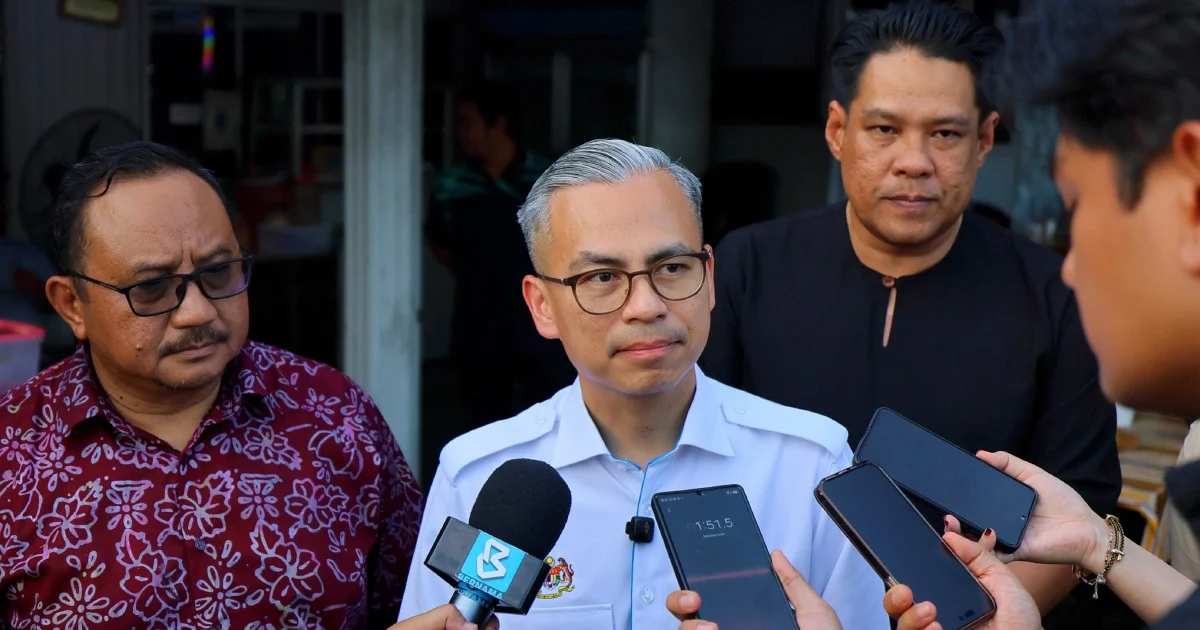
Pakatan Harapan intends to leverage both digital platforms and traditional street-level activism in its bid to gain traction during the forthcoming Johor state election, according to communications chief Fahmi Fadzil during a campaign stop in Batu Pahat. The coalition has concluded that relying on a single avenue would leave significant voter segments unreached, necessitating a comprehensive approach that acknowledges the diverse ways Malaysians consume political messaging.
The dual-track methodology reflects broader recognition within the opposition coalition that campaign effectiveness in contemporary electoral contests demands simultaneous activation across multiple channels. Social media platforms have become indispensable tools for political organisations seeking to disseminate their message swiftly, target specific demographic cohorts, and generate grassroots momentum through viral content and community engagement. Yet Fahmi's emphasis on maintaining robust ground operations demonstrates PH's understanding that digital reach, while valuable, remains insufficient as a standalone strategy in a state where personal connection and community trust traditionally carry considerable weight.
This hybrid approach carries particular significance for Johor, Malaysia's second-largest state by population and a historically competitive political battleground. The state has witnessed intensifying political competition in recent years, with voters becoming increasingly discerning consumers of campaign material. Traditional approaches that dominated Malaysian elections two decades ago have given way to more sophisticated methods that account for the reality that many voters simultaneously inhabit online and physical spaces. A voter might encounter a PH advertisement on Facebook while shopping at the morning market, reinforcing messaging across separate contexts.
The ground campaigning component promises to maintain PH's presence in residential neighbourhoods, community centres, and public gathering spaces throughout Johor. Volunteers and party members will conduct door-to-door outreach, organise town halls and community forums, and participate in local events to directly engage constituents. This traditional infrastructure remains valuable precisely because it establishes personal relationships between candidates and voters that algorithms cannot replicate, building the interpersonal trust that often proves decisive in electoral contests.
Conversely, the digital component allows PH to operate at significantly reduced cost compared to traditional advertising while reaching voters during moments when they are relaxed and receptive to messaging. Online platforms enable real-time responsiveness to emerging political developments, permit sophisticated targeting based on voter interests and demographics, and facilitate rapid mobilisation of supporters during critical campaign phases. The coalition can test different messaging approaches, analyse engagement metrics, and adjust tactics based on performance data in ways that ground operations cannot easily accommodate.
For Malaysian observers, this campaign model underscores how mainstream political parties have adapted to evolving media consumption patterns. The days when newspaper advertisements and television spots could dominate electoral discourse have definitively passed. Contemporary campaigns necessarily orchestrate presence across multiple information ecosystems simultaneously. Parties that master this integration gain structural advantages over competitors relying predominantly on legacy media or struggling to coordinate between online and offline operations.
Johor's specific context adds layers of complexity to campaign planning. The state encompasses urban centres like Johor Bahru where digital penetration runs high, alongside rural areas where traditional campaigning remains the primary means of political engagement. A unified strategy that simply emphasises one approach over another risks alienating substantial voter populations. PH's two-track philosophy ostensibly permits the coalition to vary emphasis based on local characteristics while maintaining coordinated overall messaging.
The state election represents a significant test for PH's organisational capacity and strategic clarity following years of internal turbulence. Successfully executing a sophisticated dual-track campaign demands disciplined coordination between multiple levels of party hierarchy, consistent messaging across digital and physical spaces, adequate resource allocation to both platforms, and volunteer mobilisation at scale. Any weakness in execution—digital messaging that contradicts ground rhetoric, digital campaigns that fail to translate into physical presence, or ground operations that appear disconnected from online strategy—risks undermining overall campaign credibility.
Regional implications merit consideration as well. Southeast Asian political parties increasingly grapple with integrating digital and traditional campaigning effectively. PH's approach may provide instructive lessons for opposition coalitions elsewhere in the region facing similar challenges. Meanwhile, successful integration could strengthen PH's positioning ahead of federal elections while demonstrating that opposition movements can compete effectively with better-resourced ruling coalitions through strategic innovation rather than financial advantage alone.
The Johor campaign will ultimately test whether Fahmi's two-track philosophy translates from attractive theory into effective practice. Success requires that both arms of the campaign reinforce rather than contradict one another, that volunteer energy sustains across multiple channels, and that message discipline prevents digital and ground operations from working at cross-purposes. The coming weeks will reveal whether PH has genuinely developed integrated campaign competence or whether the coalition remains prone to compartmentalisation that undermines overall effectiveness.

