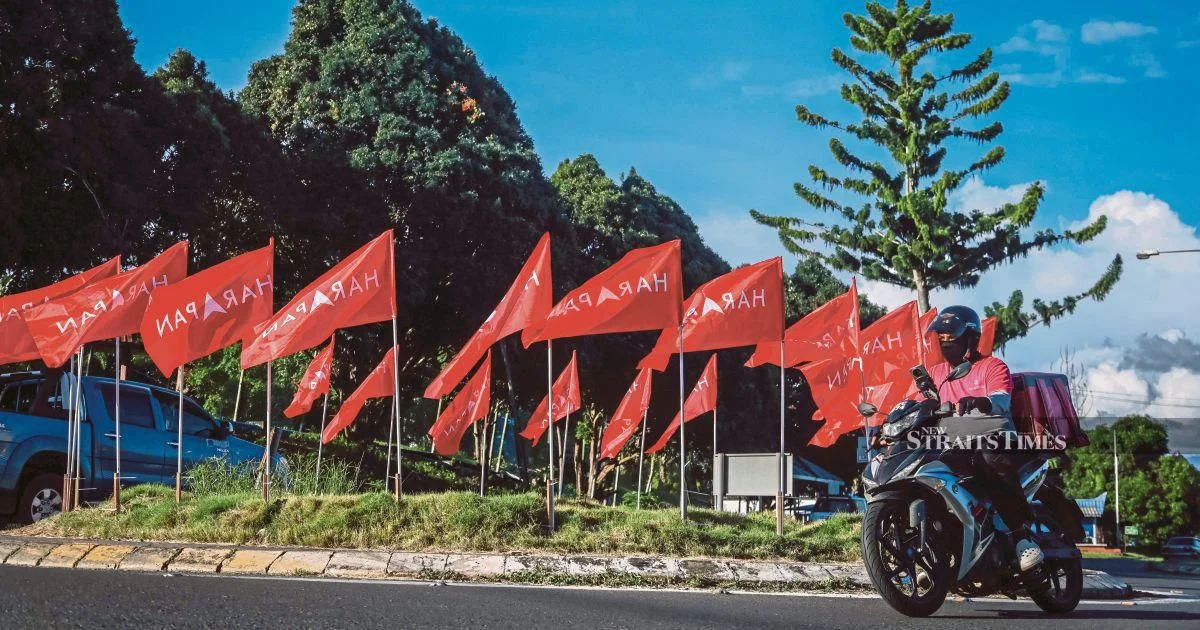
Pakatan Harapan leadership has made clear the coalition will not be rushed into announcing a menteri besar candidate for the upcoming Johor state election merely to appease opposition parties seeking such a declaration. The stance reflects a more cautious approach to succession planning as the coalition prepares for what is anticipated to be a closely contested contest in the southern state.
The refusal to succumb to external pressure underscores a deliberate strategy within Pakatan Harapan to control the narrative around its electoral campaign in Johor. Rather than be driven by the expectations of rival coalitions, the party leadership has opted to proceed according to its own calendar and internal decision-making processes. This approach signals confidence in the coalition's position even as it guards against premature commitments that could complicate later negotiations with coalition partners.
Johor's political landscape remains fluid, with multiple factions within the state government and the ruling coalition each harbouring ambitions for the top executive position. The decision to delay any formal announcement reflects the complexity of managing these competing interests while maintaining party unity heading into what many analysts regard as a potentially pivotal election for national politics. A strong showing in Johor could reinforce Pakatan Harapan's grip on federal power, while a setback would embolden opposition forces.
Previous state elections in Malaysia have demonstrated how prematurely naming a chief ministerial candidate can create vulnerabilities during campaign season. Rivals often use such announcements as hooks for personal attacks or attempts to drive wedges between coalition partners. By maintaining flexibility on the issue, Pakatan Harapan preserves tactical advantages while keeping potential coalition partners sufficiently invested in the outcome without binding them to specific candidates before internal consensus emerges.
The coalition's measured approach also reflects lessons learned from recent Malaysian electoral cycles. Internal power struggles over chief ministerial positions have occasionally damaged party prospects, and Pakatan Harapan appears determined to avoid repeating such missteps. The decision to move deliberately rather than hastily suggests the coalition is conducting careful deliberations about which candidate possesses both the necessary political acumen and popular appeal in a state with distinct regional interests and constituencies.
Johor's significance within Malaysia's broader political architecture cannot be overstated. As the nation's second-largest state by population and a consistent electoral battleground, its government commands substantial resources and symbolic importance. Control of the Johor government reinforces a party's claims to national governance legitimacy and provides crucial platforms for nurturing future leaders capable of competing at federal level. These stakes naturally elevate the importance of selecting the right candidate and timing the announcement strategically.
Opposition pressure to force an early announcement likely stems from a desire to expose potential weaknesses in Pakatan Harapan's candidate or to create time for sustained attacks on the coalition's choice. By refusing to cooperate with such tactics, the ruling coalition demonstrates it will not allow rivals to dictate the campaign's rhythm. This self-determination carries political value beyond the immediate candidate selection issue, signalling to voters that Pakatan Harapan remains confident and in control of events.
Within Johor's political ecosystem, multiple constituencies hold stakes in the menteri besar decision. Urban voters in Johor Baru and Iskandar Puteri expect candidates who understand urban governance challenges and economic development priorities. Meanwhile, rural areas maintain distinct concerns regarding agricultural support, infrastructure connectivity, and access to services. A candidate capable of appealing across these divides while maintaining credibility within their own party presents a formidable political asset worth taking time to identify and properly position.
The coalition's refusal to be pressured also reflects broader dynamics within Pakatan Harapan itself. Multiple parties contribute to the coalition's strength, and chief ministerial positions represent valuable currency in maintaining these relationships. Announcing a candidate prematurely could upset coalition equilibrium or appear to privilege one party's ambitions over another's. Deliberative timelines allow coalition leadership to manage these intra-alliance dynamics while building consensus around whoever ultimately receives the nomination.
For Malaysian political observers, the coalition's stance offers insights into how Pakatan Harapan intends to prosecute its electoral campaigns going forward. Rather than react to opposition gambits, the ruling coalition appears committed to executing its own strategic vision on its preferred schedule. This posture could prove advantageous if sustained until near election day, allowing the coalition to maintain candidate flexibility while gradually building momentum behind its eventual announcement.
Regional political developments also influence the timing considerations. Election cycles in other Malaysian states, movements within federal government circles, and national economic conditions all potentially affect the calculus around when and how Pakatan Harapan should unveil its Johor campaign leadership. By maintaining strategic ambiguity, the coalition preserves optionality to adjust course if circumstances change, ensuring its candidate and campaign strategy remain optimally positioned against whatever opposition challenges ultimately materialise.

