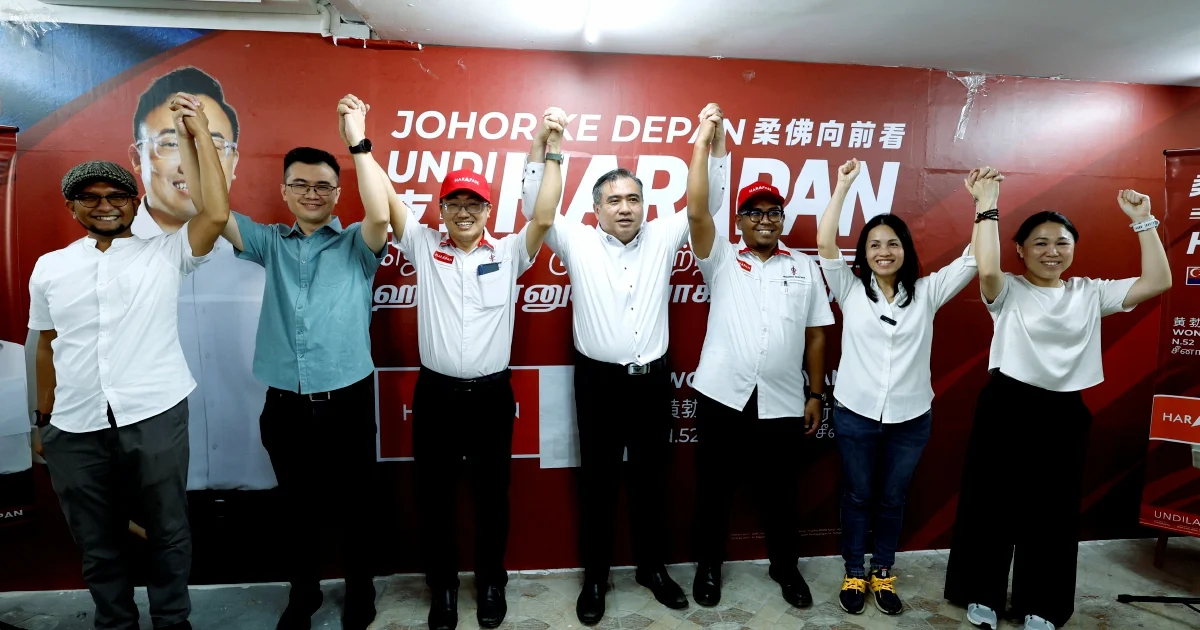
Pakatan Harapan is adopting a measured approach to its leadership succession in Johor, deliberately holding off on naming its chosen Menteri Besar candidate until the coalition has secured victory in the state election. The decision reflects a strategic calculation that announcing the post prematurely could distract from the immediate electoral battle or provoke internal friction among the opposition coalition's component parties.
The coalition's transport minister indicated that naming a Menteri Besar would fall to the coalition's highest decision-making body, though the timing remained flexible. This deferred approach suggests party leadership believes that maintaining focus on the election campaign itself takes precedence over settling the question of who will lead Johor in the event of a PH victory. The emphasis on winning first aligns with broader coalition strategy: once the electoral mandate is secured, leadership discussions can proceed with clearer internal authority.
The approach offers several tactical advantages for Pakatan Harapan. By refraining from early designation, the coalition avoids signalling a preference that could alienate supporters of alternative candidates from its member parties. Johor remains a politically competitive state where coalition unity is essential, and premature leadership appointments risk creating grievances among different factions within PH that could undermine campaign cohesion. Keeping the choice open preserves flexibility and maintains party discipline during the crucial campaign phase.
For Malaysian political observers, this strategy reflects lessons from previous elections where coalition partnerships have faced strain over ministerial allocations and senior positions. By establishing a clear sequence—win first, decide leadership later—Pakatan Harapan signals maturity in managing the competing interests of its constituent parties. This discipline contrasts with some historical instances where power-sharing disputes emerged before electoral results were even finalised, threatening coalition stability.
The deferment also demonstrates confidence in PH's electoral prospects. Rather than positioning candidates as a hedge against defeat, the coalition is projecting certainty about victory. This rhetorical positioning matters in campaign atmospherics, where publicly framing victory as inevitable can influence voter behaviour and organisational morale. The message conveys a coalition united in purpose and willing to resolve internal details only after the primary objective is achieved.
Within the Johor political context, multiple potential candidates likely remain under consideration. The actual selection process, once triggered by election victory, would involve negotiations between PKR, DAP, Amanah, and potentially other coalition partners holding Johor seats. The subsequent leadership council decision would reflect both electoral strength—which parties gained most seats—and internal coalition agreements established during negotiations. This formal process ensures transparency and prevents accusations of arbitrary or behind-the-scenes decision-making.
For Johor voters, the strategy means casting ballots without knowing definitively who would occupy the chief minister's office, should PH prevail. This is not unusual in Westminster-style systems, where coalition governments often resolve precise leadership allocations after electoral results clarify party strengths. Yet in Malaysian politics, where personalities frequently drive electoral calculations, some voters might prefer earlier clarity. The coalition is essentially asking voters to trust the overall PH platform while deferring specific leadership details.
Regionally, PH's approach has implications for Southeast Asian coalition politics more broadly. Indonesian, Thai, and Philippine observers often study Malaysian electoral strategy, particularly how multi-party coalitions manage internal dynamics. Pakatan Harapan's decision to establish clear decision-making timelines rather than engage in concurrent leadership haggling demonstrates institutional maturity that can benefit coalition stability. The precedent suggests that postponing divisive internal decisions until after voters have spoken can actually strengthen coalition cohesion.
The Johor state election holds broader significance for Malaysian federal politics. A decisive PH victory in Johor would strengthen the coalition's hand in any future federal negotiations and demonstrate organizational strength across major economic regions. Conversely, a poor showing would raise questions about PH's viability as a governing force. The emphasis on securing victory first, before internal details, underscores how central the Johor result is to the coalition's political trajectory.
Looking ahead, the formal announcement process following any PH election victory would require careful choreography. The coalition's top leadership would need to balance factional interests, reward strong campaign performances by specific component parties, and select candidates with demonstrated administrative capability. This deliberative approach, already signalled through the decision to defer the announcement, suggests PH intends to handle the post-election phase with considered judgment rather than hasty decisions driven by victory-day momentum or factional pressure.
The strategy ultimately reflects PH's understanding that electoral campaigns succeed through focused messaging and organisational discipline. By concentrating public communications on the platform and campaign themes rather than leadership succession details, the coalition maintains message discipline. Once voters have delivered their verdict, the space for detailed leadership negotiations becomes politically legitimate and necessary. This sequencing—campaign focus followed by structured internal resolution—represents a more strategically coherent approach than attempting simultaneous external persuasion and internal power-sharing negotiations.

