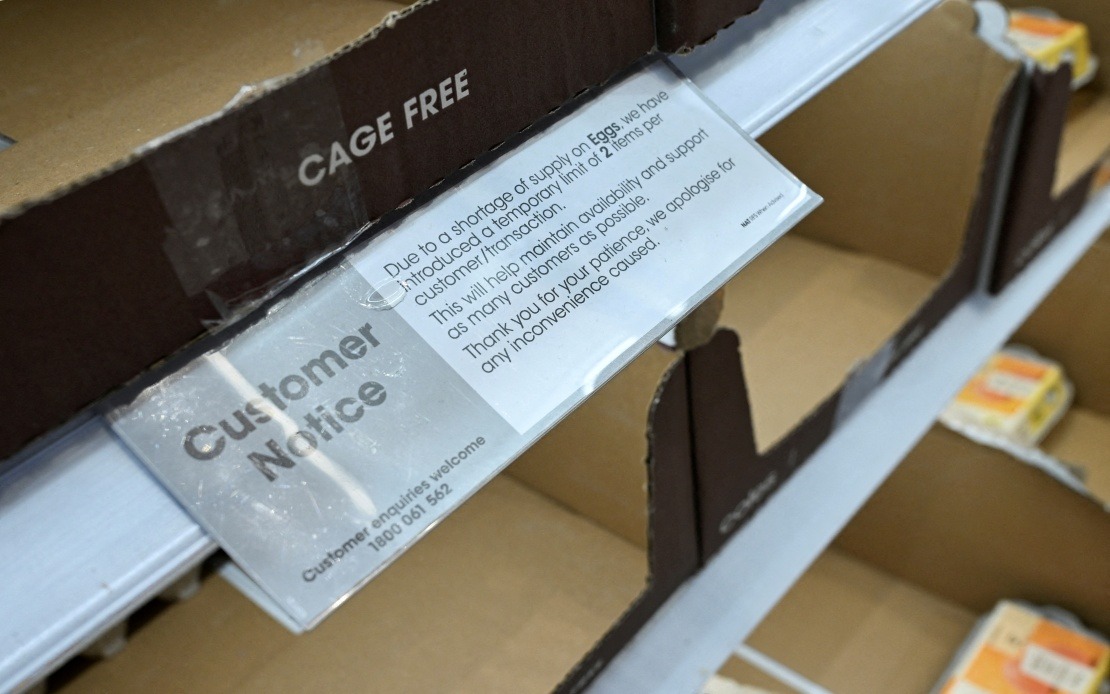
Papua New Guinea's import authorities have moved swiftly to shut their borders to Australian poultry products following the confirmation of two H5N1 avian influenza cases in Western Australia. The suspension, which took effect from Monday and covers all poultry meat, poultry-based products, and eggs, represents a significant disruption to regional trade flows and underscores the continuing threat posed by the deadly bird flu virus across the Asia-Pacific region.
According to Australia's Department of Agriculture, Fisheries and Forestry, Papua New Guinea's National Agriculture and Quarantine Inspection Authority issued the import restriction in response to the detection of the high pathogenicity H5N1 strain in wildlife within Western Australia. The decision reflects standard biosecurity protocols designed to prevent the introduction of the virus into PNG's domestic poultry sector, though it effectively locks out Australian suppliers from one of their most important regional markets.
Australia's agricultural ministry has sought to assure trading partners that the country remains officially free from H5N1 in its commercial poultry operations in accordance with World Organisation for Animal Health standards. This distinction between the detection of the virus in wild bird populations and its presence in farmed poultry is technically important for trade negotiations, as it suggests the outbreak has not yet penetrated Australia's intensive farming sector, where biosecurity measures are substantially more rigorous.
Agricultural Minister Julie Collins announced that the federal government is actively engaging with PNG authorities to negotiate the lifting of trade restrictions. In comments to the Australian Broadcasting Corporation, she emphasized that officials continue to closely monitor H5 detections in wildlife across the country while working to provide the necessary reassurances to trading partners that would allow commerce to resume. The diplomatic effort reflects the high economic stakes involved in maintaining market access to the Pacific region.
The suspension carries substantial commercial implications. Australia's poultry exports to PNG alone reached A$60 million in the 2023-24 financial year, representing a significant portion of the country's total chicken meat export revenue of A$133 million, which reached record levels last year. For PNG, which lacks large-scale domestic poultry production infrastructure comparable to Australia's, the suspension may create supply challenges for food security and force consumers and food service operators to seek alternative sources at potentially higher cost.
Iningham's, Australia's largest poultry producer and a major supplier to PNG markets, announced a complete operational lockdown of its Western Australian facilities to minimize the risk of avian influenza transmission. This preemptive measure, implemented Monday, demonstrates how serious the threat is perceived within the industry and shows that even companies with extensive biosecurity protocols are taking extraordinary steps to protect their operations and maintain market access to key regional customers.
The timing of the detection in Western Australia highlights ongoing concerns about H5N1's circulation in wild bird populations across the southern hemisphere. As migratory patterns change seasonally and wild birds move between regions, the risk of introduction into commercial farming operations persists, necessitating constant vigilance by both government health authorities and agricultural businesses. The Western Australian cases appear to have been identified in wildlife rather than in farms, but such detections invariably trigger immediate trade responses from neighboring countries and major trading partners.
For Malaysia and other Southeast Asian nations, the PNG-Australia poultry trade suspension serves as a timely reminder of how quickly and decisively regional governments respond to avian influenza threats. Most countries in Southeast Asia maintain strict import protocols for poultry products, and any spread of H5N1 in a neighboring country's farming sector could prompt similar lockdowns, potentially affecting regional food security and agricultural trade networks across the region.
The broader context reveals how integrated Asia-Pacific food systems have become, and how a disease outbreak in one country can rapidly cascade through multiple trade relationships. Australia's status as a major poultry exporter to the region means that sustained H5N1 circulation in its environment, particularly if it were to establish itself in commercial operations, could reshape regional supply chains and force countries to diversify their poultry sourcing or expand domestic production capacity.
Negotiations between Canberra and Port Moresby will likely focus on enhancing surveillance data sharing, establishing disease-free zone certifications, and potentially implementing enhanced health documentation requirements for exports. These measures have become standard practice in post-COVID global trade, particularly for agricultural commodities where disease risks carry both economic and food security dimensions.

