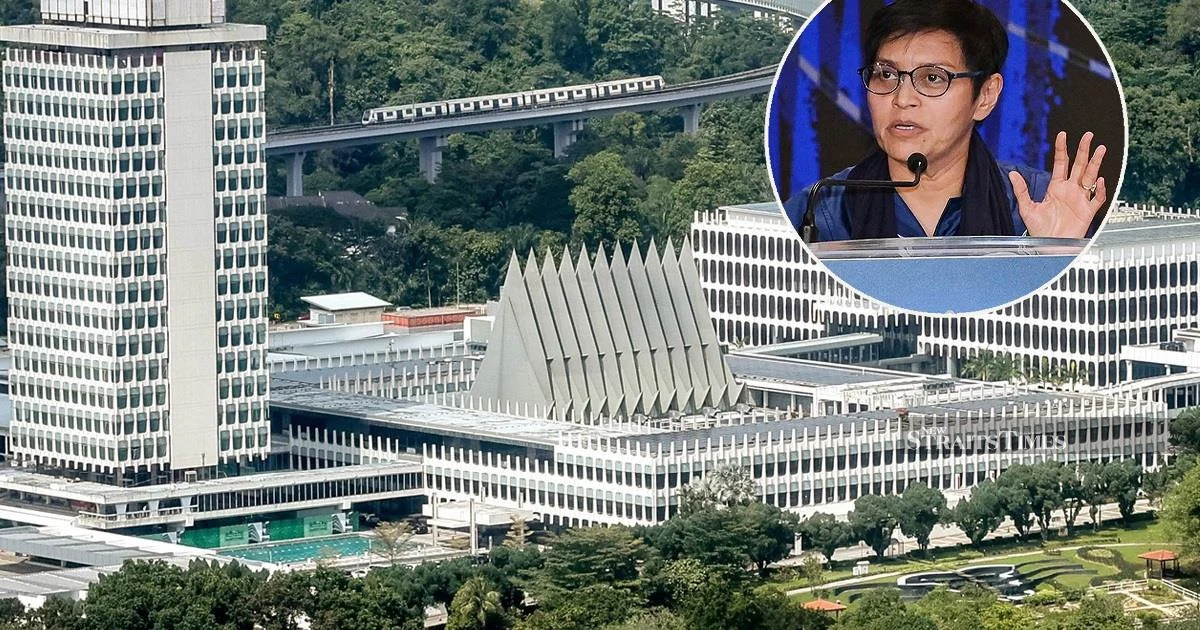
Malaysia's Parliament is set to acquire expanded authority over judicial appointments under forthcoming constitutional reforms that would allow legislators to evaluate and formally recommend on candidates for the position of public prosecutor. Under the existing framework, such decisions have remained largely confined to executive and judicial institutions, but the reform package aims to introduce greater parliamentary oversight and transparency into what has traditionally been an opaque process of selecting Malaysia's chief law enforcement officer.
The changes will permit Parliament to conduct substantive debates on candidates nominated by the Judicial and Legal Service Commission (SPKP), a move that represents a departure from current practice where legislative involvement in prosecutorial appointments has been minimal. This expansion of parliamentary authority reflects growing demands across Southeast Asia and globally for greater transparency and democratic accountability in the appointment of senior judicial and prosecutorial officials. Countries including Thailand, Indonesia, and the Philippines have previously grappled with similar questions about balancing institutional independence with democratic oversight.
Under the reformed system, legislators will not merely receive lists for passive consideration but will acquire genuine powers to assess candidates based on qualifications, experience, and public interest considerations. This assessment function enables individual parliamentarians and parliamentary committees to examine the credentials and suitability of nominees before formal votes take place. The ability to conduct meaningful scrutiny at this stage serves as an important safeguard against the appointment of candidates who lack requisite competence or whose appointment might compromise public confidence in prosecutorial independence.
Parliament's newfound authority extends beyond private assessment to include the right to conduct public debate on prosecutorial candidates. This transparency mechanism allows for the airing of concerns about nominees in a forum open to public observation and media scrutiny. Such debates can illuminate important questions about a candidate's track record, interpretations of law, and approach to prosecution priorities. The public nature of these discussions serves an educative function, enabling citizens to understand the reasoning behind Parliament's collective judgment regarding candidate suitability.
The voting mechanism represents perhaps the most consequential element of the reform package. By allowing Parliament to vote on candidates, the legislation transfers a degree of executive gatekeeping power to the legislature. While the extent to which parliamentary votes will be binding or merely advisory remains subject to further clarification, the capacity to vote fundamentally alters the political calculus surrounding prosecutorial appointments. A candidate facing parliamentary disapproval would face political obstacles to appointment, even if technically the SPKP or appointing authority could proceed unilaterally.
Public announcement of decisions provides the final layer of the transparency framework. Rather than appointments being announced through formal gazette notices without substantive explanation, Parliament's decisions and the reasoning behind them would enter the public record explicitly. This practice creates accountability mechanisms whereby future parliaments can evaluate whether predecessors made sound judgement calls and whether appointed prosecutors subsequently justified or contradicted the confidence placed in them.
These reforms carry particular significance for Malaysia's political landscape, where questions about prosecutorial independence and political interference in legal proceedings have periodically surfaced. The 1Malaysia Development Berhad scandal, involving multiple senior prosecutors and the courts, highlighted concerns about whether senior law enforcement officials possessed sufficient independence from political pressure. By introducing parliamentary oversight, the reforms seek to distribute responsibility for prosecutorial appointments across multiple institutions rather than concentrating it within the executive branch.
The implications for Southeast Asian comparative institutional development are worth noting. Malaysia's approach differs from systems where prosecutorial appointments occur entirely through merit-based commissions without legislative input, as well as from systems where legislative bodies exercise substantial control over such appointments. The reformed Malaysian model attempts to thread a middle path, preserving a professional commission's gatekeeping role while introducing democratic legitimacy through parliamentary involvement. How this balance functions in practice will influence whether other countries in the region adopt similar hybrid approaches.
Critical questions remain regarding implementation details that will shape the reforms' practical effect. Will parliamentary votes prove binding on appointing authorities, or merely advisory? How much discretion will the SPKP retain to nominate candidates despite parliamentary opposition? What threshold of parliamentary support, if any, will be required before appointment can proceed? Will appointment processes face timing delays as parliaments complete their assessment and debate functions? These procedural specifics will ultimately determine whether the reforms represent a genuine transfer of power to Parliament or a more cosmetic enhancement of legislative involvement.
For Malaysia's legal profession and civil society organisations, the reforms present both opportunities and risks. Enhanced transparency may strengthen public confidence in prosecutorial appointments and provide avenues for concerned citizens to present information to parliamentarians. However, the politicisation of prosecutorial appointments remains a genuine risk when legislative bodies gain substantial influence over these positions. Prosecutors requiring independence to pursue complex cases against powerful politicians may face pressure during parliamentary consideration if members view appointment decisions through partisan lenses. Navigating these tensions will require significant maturity from parliamentary institutions and broader political culture.
The timing of these constitutional reforms occurs as Malaysia continues its broader democratic renewal following recent years of political turbulence. The introduction of greater institutional checks and oversight mechanisms aligns with broader regional trends toward distributed executive power and enhanced accountability requirements. Whether Parliament proves capable of exercising this new authority responsibly, and whether the reforms succeed in strengthening prosecutorial legitimacy without compromising independence, will become apparent only through extended practice under the reformed framework.

