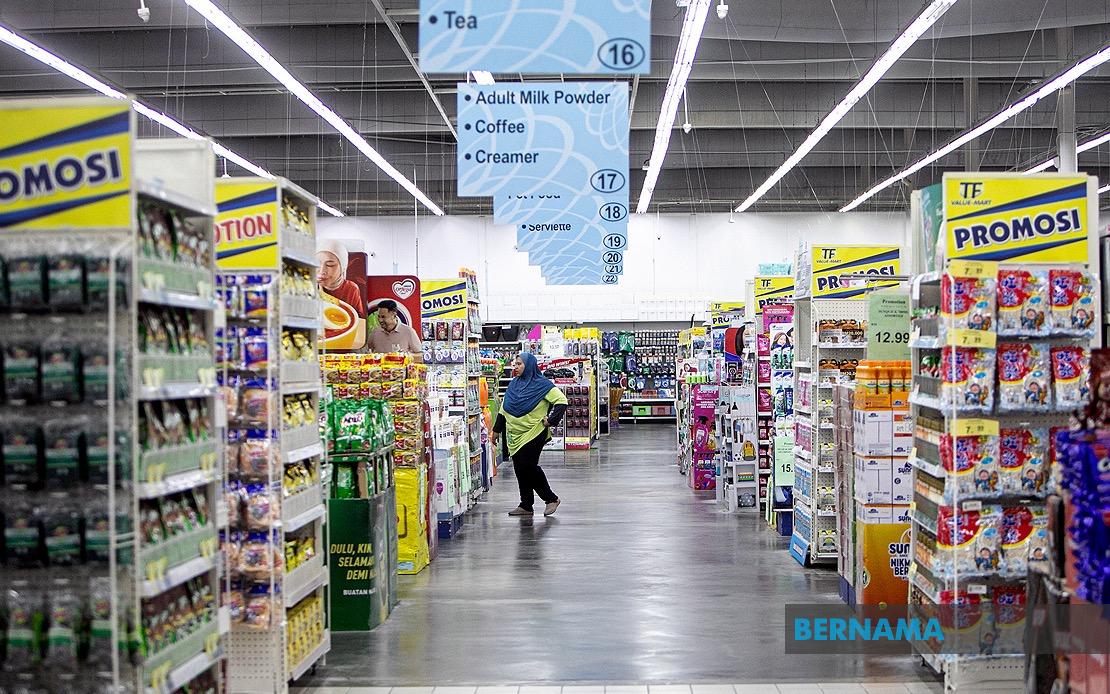
A parliamentary select committee has urged the Malaysian government to significantly broaden the Sumbangan Asas Rahmah (SARA) assistance programme to encompass greater numbers of small retailers, warning that the current implementation is inadvertently concentrating benefits among large retail operators while pushing traditional village shops toward closure. The committee, chaired by Cha Kee Chin, presented findings indicating that the scheme's requirement for aid recipients to transact exclusively at designated SARA partner outlets has disrupted established consumer patterns, diverting spending away from independent retailers and neighbourhood shops toward supermarkets and larger retailers equipped with digital payment infrastructure.
The structural imbalance created by the SARA programme reflects a broader tension in Malaysia's approach to cost-of-living relief. Designed with RM10 billion in government allocation for the current fiscal year, the initiative aims to provide targeted assistance to vulnerable households through subsidised essential goods. However, the concentration of partnership opportunities among large retail chains has created an unintended consequence: small traders, particularly those operating in rural and interior regions where supermarket access is limited, are experiencing significant customer attrition. Cha noted that this geographical and structural disadvantage threatens the viability of neighbourhood retail businesses that have traditionally served as community anchors in less urbanised areas.
The committee identified substantial barriers preventing small retailers from participating as SARA business partners. Technical and administrative requirements for eligibility have proven burdensome for traders lacking formal business infrastructure, training resources, or familiarity with government regulatory frameworks. The necessity of implementing point-of-sale systems and adopting digital payment mechanisms presents particular challenges in remote locations where technical expertise is scarce and equipment acquisition costs represent significant capital outlays for businesses operating on thin profit margins. These obstacles have effectively created a two-tiered retail landscape where larger operators seamlessly integrate into the scheme while smaller traders struggle with compliance demands.
Recognising these systemic issues, the parliamentary committee submitted seventeen recommendations to the Ministry of Finance and Yayasan MyKasih designed to democratise participation in the SARA ecosystem. The proposals advocate for streamlined eligibility requirements that account for the operational realities of small retailers, comprehensive training and technical support programmes, and expedited payment mechanisms to improve cash flow for participating traders. Notably, the committee recommended establishing a ten-kilometre accessibility threshold, ensuring that aid recipients do not face unreasonable distances when accessing SARA partner premises. This geographical consideration acknowledges Malaysia's dispersed settlement patterns, particularly in Sabah and Sarawak where interior communities depend on local retailers.
Progress toward broader participation shows modest improvement but remains insufficient to meet stated targets. The number of small traders registered as SARA business partners had nearly doubled to 5,893 as of mid-June, compared with 3,000 in previous reporting periods. However, this figure falls substantially short of the government's target of 10,000 participating small traders by year-end, indicating that current initiatives require acceleration and refinement. The Ministry's introduction of a Point-of-Sale Terminal Deployment programme represents an encouraging intervention, with initial installations in Kuching, Sarawak, and Yayasan MyKasih committing to distribute 2,000 terminal sets to facilitate small trader participation. Yet the modest scale of this rollout suggests broader systematic changes in training, incentives, and support infrastructure remain necessary.
Parliamentary concern extends beyond access issues to the financial structure of the scheme itself. Opposition parliamentarian Khoo Poay Tiong highlighted the inequitable burden imposed by commission structures, pointing to instances where small retailers selling subsidised cooking oil at margins below one per cent are required to pay one per cent commission to MyKasih. This inverted economics forces traders to operate at losses on certain product lines, effectively subsidising the government's cost-of-living relief from already-vulnerable small business profits. Such structural defects undermine the stated intention of the SARA programme to provide comprehensive economic support and instead concentrate benefits among larger retailers with diversified product portfolios and higher overall margins.
The participation of informal retail sectors remains conspicuously absent from current SARA partnership frameworks, despite their significance in Malaysian community economies. Parliamentarians representing rural constituencies proposed integrating night market vendors, farmers' market sellers, and rural cooperative networks into the scheme's ecosystem. These informal channels serve crucial functions in smaller towns and interior areas, providing employment, maintaining cultural practices, and sustaining community social structures. Exclusion of these participants from SARA benefits effectively undermines cost-of-living relief effectiveness in communities where informal retail predominates, while simultaneously accelerating marginalisation of traditional trading practices.
The committee's position reflects broader political alignment around protecting small retailer interests across coalition boundaries. Multiple parliamentarians from different political affiliations—Datuk Siti Zailah Mohd Yusoff from PN representing Rantau Panjang, GPS members, and PH representatives—voiced concern that cost-of-living initiatives must benefit entire local economic ecosystems rather than concentrate advantages among large retail corporations. This cross-party consensus suggests parliamentary willingness to demand more equitable programme implementation from government agencies, a pressure point that may influence Ministry of Finance and Yayasan MyKasih policy adjustments.
Implementing the committee's recommendations would require the Ministry of Finance and Yayasan MyKasih to undertake substantial administrative restructuring. This involves developing more granular eligibility pathways appropriate for different retailer categories, establishing training infrastructure in partnership with small business development organisations, and fundamentally reconsidering commission structures to ensure participating small traders achieve positive returns rather than operating at loss. Such changes demand coordination across government agencies and investment in support systems that extend beyond simple regulatory approval to encompass capacity building and financial sustainability.
For Malaysian households in rural and interior regions, the gap between SARA programme intention and implementation presents ongoing challenges in accessing subsidised goods affordably. Where local retailers are forced to close due to customer migration to distant urban supermarkets, vulnerable populations face increased transport costs, reduced shopping convenience, and diminished community economic vitality. The committee's interventions, if implemented comprehensively, could restore functionality to local retail networks while genuinely distributing cost-of-living relief benefits across society rather than concentrating them among corporate retail operators. The coming months will reveal whether the government prioritises equitable implementation over administrative simplicity.

