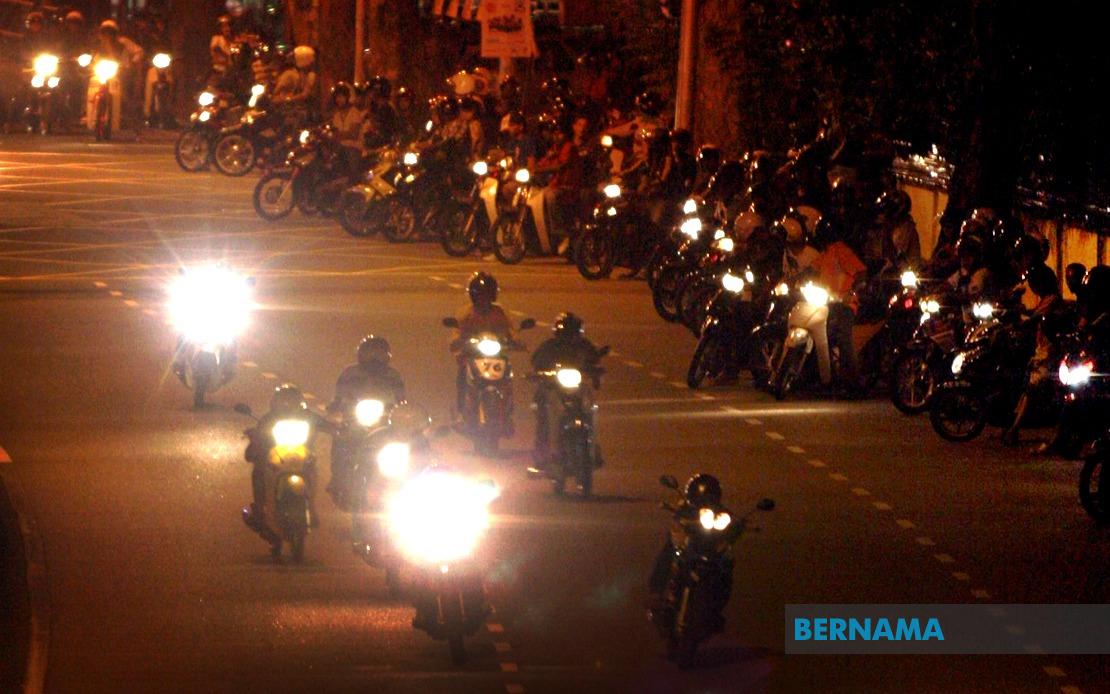
The Malaysian Parliament intensified its push against illegal street racing on June 23, with lawmakers from across the political spectrum proposing escalating measures designed to deter participants and hold offenders accountable. During the Dewan Rakyat debate on the Road Transport (Amendment) Act 2026, multiple MPs outlined proposals that extend far beyond existing penalties, signalling the government's determination to address a persistent public safety crisis that has claimed lives and disrupted communities across the country.
Datuk Willie Mongin from GPS-Puncak Borneo advanced one of the more stringent proposals, arguing for the permanent revocation of driving licences coupled with hefty financial and custodial sentences. He advocated for minimum penalties of RM300,000 in fines or five years imprisonment, combined with lifetime driving bans to ensure offenders face lasting consequences. The permanence of licence revocation represents a significant escalation from conventional penalty structures, effectively removing repeat offenders from Malaysian roads indefinitely and sending a forceful message about governmental seriousness on the matter.
Khairil Nizam Khirudin from PN-Jerantut focused on rehabilitation infrastructure, proposing a comprehensive programme combining disciplinary training and community service obligations alongside conventional punishments. His approach reflects growing recognition that enforcement alone cannot address the underlying social and behavioural factors driving illegal racing participation, particularly among younger demographics susceptible to peer pressure and thrill-seeking. By embedding educational and restorative components into the penalty framework, this proposal aims to transform offenders' understanding of road safety consequences whilst maintaining proportionate accountability.
The parliamentary debate also identified workshop operations enabling illegal racing through motorcycle modifications as requiring stricter regulatory control. Khairil Nizam suggested coordinated action between the Ministry of Transport and the Ministry of Domestic Trade and Cost of Living, leveraging existing provisions under Section 66 of the Road Transport Act 1987 to establish enforcement mechanisms against businesses facilitating illegal vehicle preparation. This approach acknowledges that illegal racing networks depend on technical infrastructure provided by complicit workshops, making them crucial intervention points in disrupting the broader ecosystem supporting such activities.
Parental accountability emerged as another dimension of proposed interventions, with lawmakers suggesting families of offenders should face consequences for failing to prevent or discourage participation. This reflects broader concerns about family responsibility in socialising youth toward lawful behaviour, though implementation details and constitutional implications of such measures remain unspecified. The proposal essentially expands accountability beyond individual offenders to institutional failures within families, representing a controversial but earnest attempt to mobilise additional preventive layers.
The tragic incident at Simpang Renggam in Johor on June 1 fundamentally shaped parliamentary discourse, with multiple MPs highlighting that illegal racing extends beyond motorcycles to encompass high-powered automobiles capable of inflicting more catastrophic damage. Wan Razali Wan Nor invoked this incident to argue that Section 42A provisions should apply uniformly across all vehicle categories, preventing legislative gaps that treat luxury car racing less seriously than motorcycle racing. The deaths resulting from that collision underscore how illegal racing poses not merely individual risk but collective dangers to innocent road users, elevating the issue from lifestyle transgression to genuine public menace.
Shaharizukirnain Abd Kadir proposed destroying excessively modified motorcycles as a deterrent mechanism, creating property consequences alongside personal penalties to raise the financial and psychological costs of illegal racing preparation. Confiscation and destruction of modified vehicles removes the physical instruments enabling racing whilst demonstrating tangible enforcement commitment through visible consequences. This represents a shift toward more interventionist property rights limitations justified by public safety imperatives, though raising questions about proportionality in administrative proceedings.
Parallel concerns regarding driving under the influence of alcohol and drugs received significant parliamentary attention, with multiple MPs advocating for strengthened victim compensation mechanisms. Jeli MP Zahari Kechik and Datuk Seri Dr Ismail Abd Muttalib emphasised that accident victims require comprehensive support including hospital cost coverage and welfare provisions, ensuring impaired drivers bear full financial responsibility for physical harm. This dimension recognises that road safety encompasses multiple hazard categories requiring integrated responses rather than isolated legislative fixes.
The Road Transport (Amendment) Act 2026 represents Malaysian legislative efforts adapting to escalating road safety challenges in an era of increasingly powerful vehicles and sophisticated illegal racing networks. With 24 government and opposition MPs participating in debate, the Bill commands broad parliamentary support across partisan divisions, suggesting recognition that illegal racing transcends partisan politics to constitute genuine community concern. The diversity of proposals ranging from rehabilitative interventions to permanent licence revocation reflects acknowledgment that addressing illegal racing requires multifaceted approaches incorporating punishment, prevention, rehabilitation, and family engagement.
For Malaysian and Southeast Asian road safety observers, these parliamentary proposals demonstrate the region's willingness to adopt progressively stricter regulatory frameworks despite potential civil liberties implications. The emphasis on permanent licence revocation and vehicle destruction marks departure from conventional penalty approaches, positioning Malaysia within global trends toward harsher enforcement against dangerous driving behaviours. Implementation challenges will inevitably emerge around enforcement consistency, administrative fairness, and proportionality determinations, but the parliamentary consensus suggests political will exists to navigate such complications in pursuit of safer roads.
The debates also revealed recognition that illegal racing cannot be addressed through isolated legislative measures but requires coordinated action involving multiple government agencies, community participation, and family responsibility mechanisms. This systems-oriented perspective suggests future road safety policy may increasingly integrate rehabilitation, enforcement, regulatory oversight, and social responsibility dimensions into comprehensive frameworks rather than relying solely on punitive approaches. As the Dewan Rakyat resumes deliberations, the trajectory toward escalated penalties appears firmly established, with parliamentary discourse now focused on implementation mechanics and ensuring coherent integration across government agencies tasked with enforcement responsibilities.

