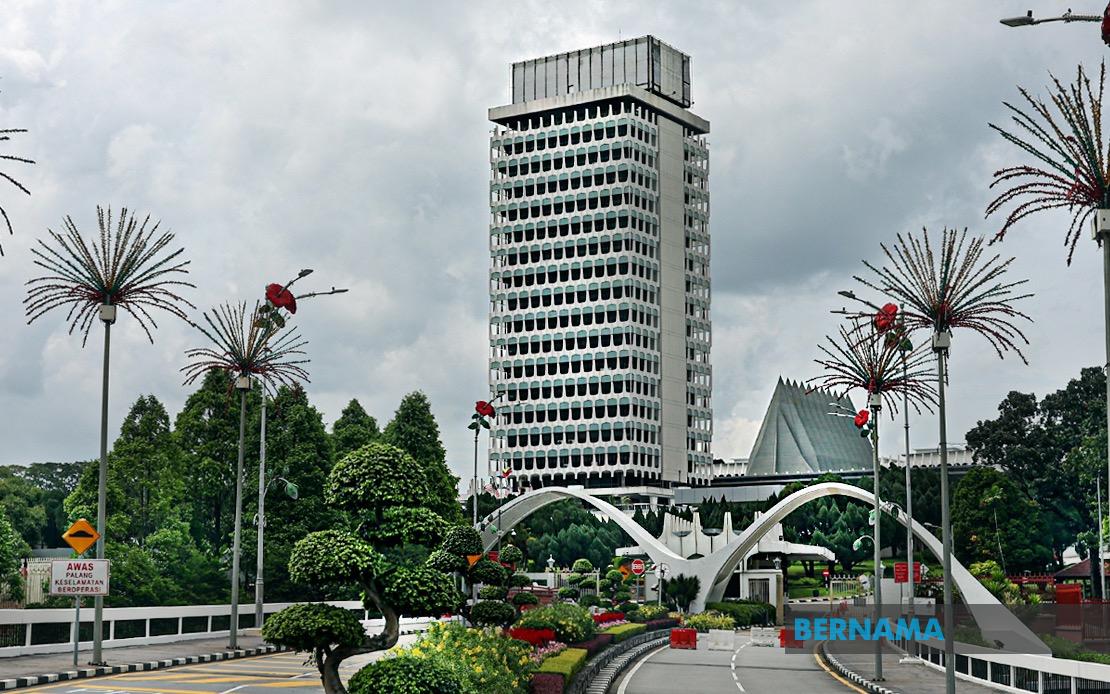
Malaysia's foreign policy response to a developing Memorandum of Understanding between the United States and Iran aimed at resolving the military conflict destabilising West Asia will come under parliamentary scrutiny today as the Dewan Rakyat convenes. The session, beginning at 10 am, will provide lawmakers with an opportunity to interrogate the government's position on international peace efforts and the tangible steps it plans to advance stability in a region of critical strategic importance to Malaysian trade and security interests.
Datuk Mohd Isam Mohd Isa from Tampin, representing the Barisan Nasional coalition, has tabled a question for the Foreign Minister during the allocated question time. His inquiry will probe not only Malaysia's official stance on the US-Iran accord but also seek clarity on the concrete measures the government intends to deploy to safeguard regional peace. This line of questioning reflects the complexity of Malaysia's balancing act in West Asian affairs, where commercial, diplomatic, and security considerations often pull in competing directions. The region remains vital to Malaysian energy supplies, investment portfolios, and the safety of Malaysian nationals working throughout the Gulf.
In parallel, parliament will examine the government's progress on its domestic retail flagship initiative. Datuk Rosol Wahid from Hulu Terengganu, aligned with the Perikatan Nasional coalition, will interrogate the Minister of Domestic Trade and Cost of Living on the current implementation status of the MADANI Mart programme. His questions will demand specifics on how many outlets have commenced operations, the volume of applications processed from prospective entrepreneurs, and the demographic composition of business owners involved. The MADANI Mart programme represents a significant plank of the government's pledge to assist small and medium enterprises whilst simultaneously addressing consumer purchasing power concerns, making its execution speed and effectiveness matters of considerable public interest.
The government's handling of the synthetic drug menace will feature prominently in proceedings as well. Khoo Poay Tiong, representing the Pakatan Harapan-aligned Kota Melaka constituency, has submitted a question addressing the scale of addiction cases involving synthetic substances since 2023. Beyond mere statistics, he seeks a comprehensive explanation of the government's strategic response to what many observers characterise as an accelerating crisis, with particular emphasis on the threat posed by fentanyl. This potent opioid has triggered alarm bells throughout Southeast Asia as law enforcement agencies grapple with an increasingly complex smuggling and distribution landscape, particularly in urban centres where addiction rates have climbed sharply.
Trade relations between Malaysia and the United States will also warrant parliamentary attention. Datuk Seri Hamzah Zainudin from Larut, a senior Perikatan Nasional figure, will direct questions toward the Minister of Investment, Trade and Industry regarding the implementation timeline and practical progress of the Agreement on Reciprocal Trade between the two nations. This bilateral framework carries implications for Malaysian manufacturers, agricultural exporters, and service providers seeking expanded access to American markets whilst managing the complexities of reciprocal obligations and tariff negotiations.
Beyond the question-and-answer segment, the parliamentary agenda includes advancement of three significant legislative instruments. The Prisons Amendment Bill 2026 will receive its first reading, signalling the government's intention to reform correctional facility operations and presumably address overcrowding or prisoner welfare concerns that have periodically generated domestic and international scrutiny. Simultaneously, two competition-related bills will be introduced: the Competition Amendment Bill 2026 and the Competition Commission Amendment Bill 2026. These legislative initiatives suggest the government is recalibrating Malaysia's competition regulatory framework, potentially to enhance enforcement mechanisms or modernise oversight structures in response to evolving marketplace dynamics and digital economy challenges.
The convergence of these distinct parliamentary matters underscores the breadth of governance challenges demanding ministerial attention and legislative action. The foreign policy dimension, represented by questions on the US-Iran accord and the reciprocal trade agreement, reflects Malaysia's continued navigation of great power rivalries and economic interdependence. Simultaneously, domestic agenda items such as MADANI Mart and synthetic drug suppression reveal government priorities regarding inclusive economic development and public health security. The legislative programme indicates ongoing efforts to strengthen institutional frameworks spanning corrections and competition regulation.
For Malaysian observers, today's parliamentary session encapsulates the multifaceted nature of contemporary governance, where regional geopolitics, economic resilience, public safety, and institutional modernisation demand concurrent attention. The calibre of ministerial responses will signal the government's preparedness to address complex transnational challenges whilst delivering on domestic commitments to ordinary Malaysians navigating economic uncertainty and social disruptions linked to drug trafficking networks. As parliament conducts its oversight function, the broader implications for Malaysia's regional standing, economic competitiveness, and internal stability hang in the balance.

