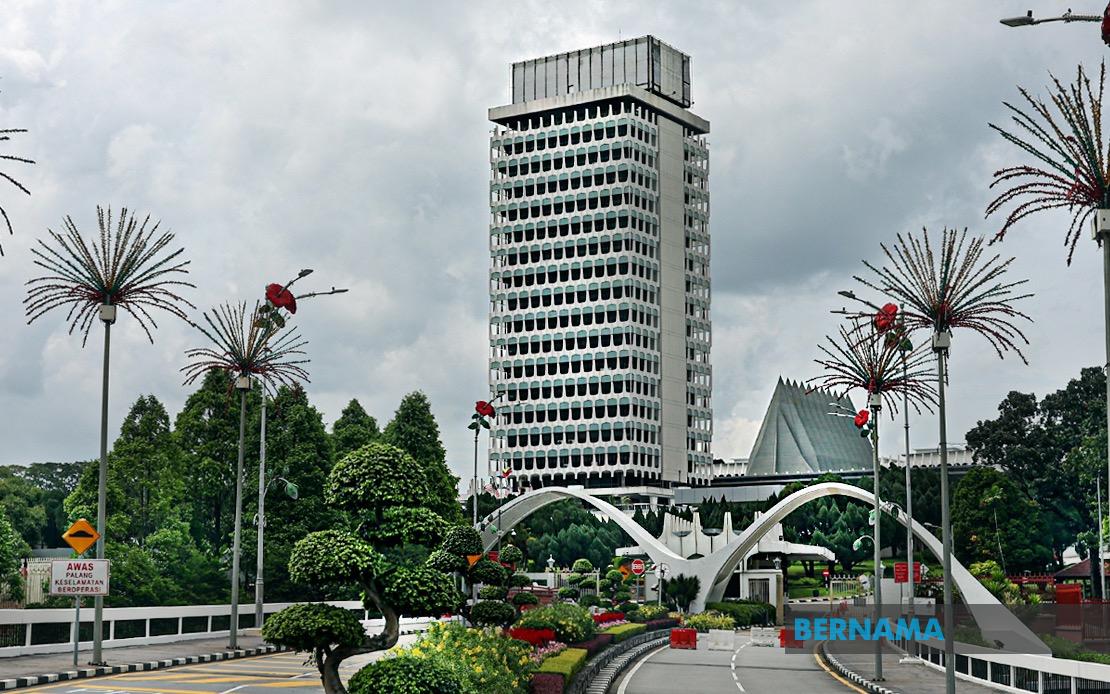
Parliament convenes today for discussions spanning critical infrastructure, consumer protection, and digital governance as lawmakers examine how the government plans to address mounting pressures on the nation's water supply while enhancing regulatory oversight of the housing sector and implementing new digital safety measures.
The 16-day session running through July 16 will tackle Johor's escalating water demand, a regional challenge with implications for Malaysia's most industrialised state. Suhaizan Kaiat, the PH member for Pulai, has tabled a question seeking details on the Energy Transition and Water Transformation Minister's long-term vision for bolstering the state's water resource capacity. This inquiry will press for specifics on planned dam construction, expansion of water treatment infrastructure, and the government's commitment to recycling water as an alternative supply source to meet growth projections.
Johor's water stress reflects broader Southeast Asian concerns about resource scarcity amid rapid urbanisation and industrial expansion. The state supplies water to millions within its borders whilst also exporting to neighbouring Singapore through agreements dating back decades. Any substantive enhancement to Johor's water infrastructure carries regional significance, as it could free up supplies for domestic use and support the government's sustainability agenda. The emphasis on recycled water technology is particularly noteworthy, signalling a potential shift toward water-independent development models that neighbouring countries including Singapore have pioneered at scale.
Simultaneously, the parliament session will examine the Malaysia Competition Commission's capacity to police the housing market effectively. Datuk Seri Ismail Abd. Muttalib from PN-Maran seeks clarity on the ministry's strategy to empower MyCC with stronger monitoring tools against housing price offers and promotional packages. His supplementary question delves into investigative procedures targeting anti-competitive conduct, including suspected price-fixing schemes and coordinated market manipulation among property developers.
This line of questioning underscores growing frustration with housing affordability across Malaysia, where prices in urban centres like Kuala Lumpur and Selangor have outpaced wage growth substantially. MyCC's enforcement record has drawn criticism from consumer advocates and opposition lawmakers who argue the regulator lacks adequate resources and independence to challenge large property conglomerates effectively. Strengthening the commission's powers and budget could signal government acknowledgment of these concerns, though sceptics question whether such measures will materialise without structural reform.
The housing market question carries weight beyond economics. Elevated property costs constrain youth mobility, delay family formation, and fuel public discontent with market fairness. Any parliamentary commitment to tougher competition enforcement could reshape developer behaviour, though implementation depends on regulatory will and resources that have historically proved limited. For Malaysian consumers already struggling with inflation and cost-of-living pressures, enhanced MyCC scrutiny represents a potential avenue for relief, albeit a slow one requiring sustained political backing.
A third major agenda item addresses digital safety through age verification requirements for social media platforms. Syahredzan Johan, the PH representative for Bangi, will question the Communications Minister on the regulatory objectives behind mandating age verification and the privacy safeguards protecting users whose personal data service providers will collect and process. His specific concern about limiting data access to proportionate attributes and mandating deletion once verification purposes end reflects international regulatory trends, particularly following the European Union's digital governance frameworks.
Age verification for social media has emerged globally as a compromise between protecting minors from harmful content and preserving user privacy. Malaysia's approach will likely influence how other Southeast Asian regulators tackle the same challenge. The mechanism by which the government will verify age—whether through identity documents, biometrics, or third-party validators—remains unclear and will generate significant discussion. Service providers operating in Malaysia will need clarity on compliance pathways, data handling obligations, and liability thresholds to implement the requirement effectively.
The implementation question is particularly sensitive in Malaysia's context, where concerns about state surveillance and data misuse persist following various data breaches affecting government systems. Citizens may hesitate to submit personal information to verify age if they lack confidence in the regulatory framework's protections. Balancing child safety advocacy with legitimate privacy concerns represents a genuine governance challenge that parliamentarians must navigate carefully through this debate.
These three parliamentary questions illustrate how contemporary governance increasingly intersects sectors traditionally treated separately. Water policy affects urban planning and housing costs. Housing affordability influences competition enforcement priorities. Digital safety regulations shape how young Malaysians access information and form social connections. Lawmakers addressing these issues comprehensively must consider interconnections rather than treating each as discrete policy domains.
The broader significance of this sitting extends to demonstrating parliamentary scrutiny effectiveness amid concerns about institutional capacity and government responsiveness. Whether MyCC receives enhanced enforcement powers, whether water infrastructure investments advance beyond announcements, and whether age verification regulations incorporate robust privacy protections will signal whether parliament remains a meaningful check on executive action or has become largely ceremonial. For Malaysian citizens and investors monitoring governance trends, these outcomes will indicate the trajectory of regulatory modernisation and democratic accountability.

