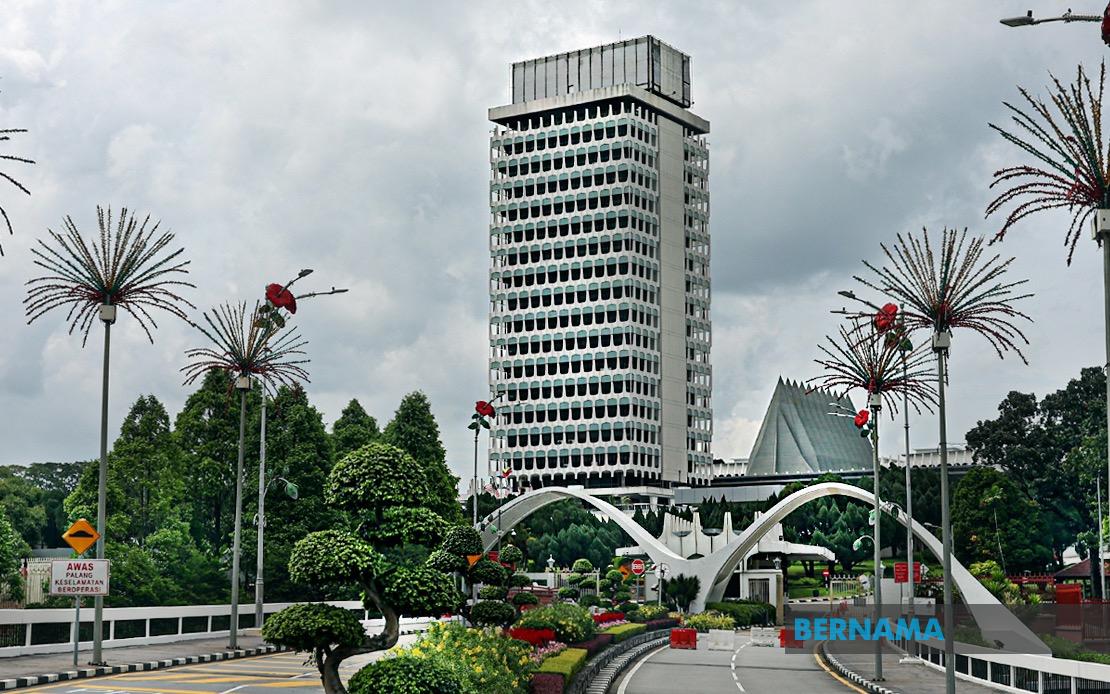
Parliament convened today to tackle several pressing economic and national policy matters, with lawmakers signalling acute concern over how trade bottlenecks in the Strait of Hormuz are bleeding into Malaysia's supply chains and cost structures. The opening day of the Second Meeting of the Fifth Session of the 15th Parliament brought into sharp focus the vulnerability of the Southeast Asian nation's industries to global logistics shocks, as well as the government's preparedness to shield economic growth amid widening geopolitical tensions.
Datuk Dr Richard Rapu @ Aman anak Begri, representing GPS-Betong, pressed the Economy Minister for a comprehensive assessment of how Strait of Hormuz disruptions are propagating through local manufacturing and services sectors. His query specifically targeted operating costs—a barometer of inflationary pressure trickling down from the shipping crisis—and sought the official inflation reading for the second quarter of 2026. The Strait of Hormuz, through which roughly one-third of the world's seaborne petroleum passes, has become increasingly volatile due to regional tensions, forcing shipping companies to reroute or increase insurance premiums, ultimately raising the price of imported goods and raw materials for Malaysian businesses dependent on foreign supply chains.
Equally important to the legislator was an interrogation of whether the 13th Malaysia Plan contains robust contingency mechanisms. Should the global economy slide into prolonged recession, policymakers need credible safeguards to keep Malaysia's GDP growth trajectory intact. This line of questioning reflects concern that in a scenario of synchronized global downturn, trade disruptions could compound recessionary pressures, creating a double squeeze on export-dependent sectors such as electronics, petrochemicals, and palm oil processing. The urgency with which lawmakers are raising these issues underscores the thin margin for error in Malaysia's current macroeconomic position.
On the social policy front, Onn Abu Bakar from Batu Pahat raised the matter of haj pilgrimage administration ahead of the 2027 season. His questions centred on cost optimization, reducing the often-long waiting periods that Malaysian pilgrims face, and fortifying health and welfare safeguards during the sacred journey. Malaysia sends tens of thousands of citizens for the haj each year, making the efficiency and safety of the system a politically and socially sensitive issue. Rising costs and extended waiting lists have become a source of frustration for devout Muslims, and the government faces mounting pressure to modernize and streamline the process—particularly as competition with other Muslim-majority nations for pilgrimage slots intensifies.
The question of artificial intelligence governance also featured prominently, with Wong Shu Qi of Kluang asking the Digital Minister about provisions in the draft AI Governance Bill. Her focus was notably on dark-side applications: deepfake generation of child sexual abuse material, identity spoofing, and non-consensual distribution of intimate content. Malaysia, like most developing economies, has been racing to establish an AI regulatory framework but often lags in addressing the intersection of AI technology with criminal activity and personal privacy violations. The legislator's intervention signals parliamentary demand for rules with real teeth to combat AI-enabled exploitation, a gap that could widen as generative AI tools become cheaper and more accessible to criminal networks across Southeast Asia.
Food security emerged as another flashpoint. Datuk Dr Radzi Jidin from Putrajaya sought details on the government's intervention pipeline—short, medium, and long-term measures—to insulate Malaysia from food supply shocks stemming from the Middle East conflict. Given that Malaysia imports substantial quantities of grain, meat, and other staples from the region, and that logistics from that zone are strained, agricultural vulnerability is a genuine policy concern. The legislator's multi-horizon framing suggests Parliament expects a coherent strategy spanning immediate stabilization, medium-term diversification of import sources, and longer-term domestic production resilience.
On the legislative front, two bills are scheduled for tabling: the Cybercrime Bill 2026 and the Road Transport Act Amendment Bill 1987. The cybercrime legislation is particularly timely given escalating digital threats and online fraud targeting Malaysian consumers and businesses. The Road Transport Act amendment signals government intent to refresh traffic and commercial vehicle regulations, likely reflecting evolving safety standards and emerging issues such as autonomous vehicle deployment.
The parliamentary session itself stretches across 16 sitting days through July 16, affording lawmakers adequate time to probe government performance and debate substantive policy frameworks. The agenda distilled into today's session reflects how Malaysia's immediate policy preoccupations—external economic shocks, digitalization risks, food and energy security, and social welfare—intersect and demand coordinated governmental response. The questions raised are not merely procedural; they reflect real vulnerabilities in Malaysia's economic architecture and the legislature's growing assertiveness in holding the executive to account on resilience and foresight.

