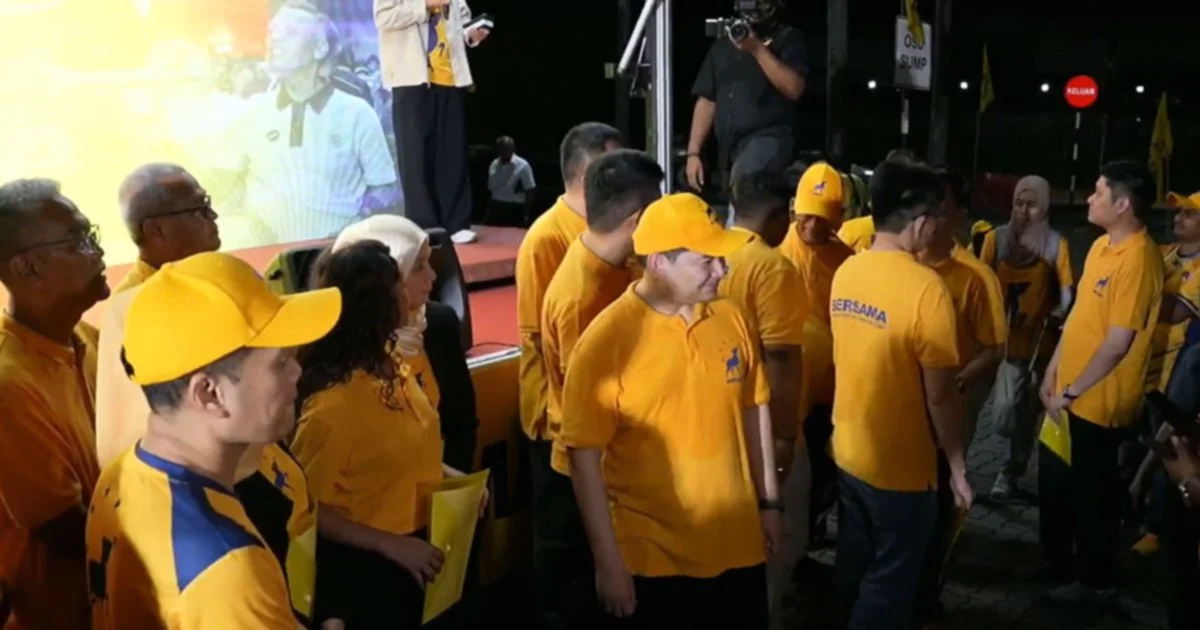
Parti Bersama Malaysia formally introduced its 15-candidate lineup for the 16th Johor state election on Friday, marking the newcomer party's bid to establish a foothold in one of Malaysia's most electorally significant states. The slate reflects an attempt to broaden appeal across occupational demographics, incorporating figures from the private sector ranging from business ownership to frontline service roles.
The candidate roster illustrates Bersama's strategy of presenting itself as a cross-sectional political force rather than representing narrowly defined constituencies. By fielding an entrepreneur alongside supermarket management staff and logistics personnel, the party signals intent to speak to economic concerns affecting both employer and worker classes—a positioning that carries particular weight in Johor, where manufacturing, retail and transport sectors employ hundreds of thousands of residents.
Johor remains strategically crucial for any political party seeking to demonstrate electoral viability in peninsular Malaysia. As the nation's second-largest state by population and home to significant economic activity centred on manufacturing corridors and the Port of Tanjung Pelepas, state-level performance in Johor often presages broader political shifts. Bersama's decision to contest substantially in the state suggests leadership confidence in its ability to contest established power structures there.
The party's selection of candidates from working and managerial ranks carries implicit messaging about economic accessibility and representation of middle and lower-income Malaysians. This demographic focus reflects broader frustrations visible across Malaysian politics regarding living costs, employment security and commercial opportunity—themes that cut across traditional political dividing lines and particularly resonate with younger, financially stretched voters in urban centres like Johor Bahru.
Bersama's emergence as a political contender remains recent within Malaysia's electoral landscape. The party's efforts to contest substantively in state elections rather than maintaining a purely national focus suggest ambitions to build infrastructure and organisational capacity necessary for long-term political viability. Johor, with its established party machinery and competitive electoral traditions, presents both testing ground and opportunity for such expansion.
The composition of political candidacies increasingly shapes voter perceptions of party authenticity and alignment with everyday concerns. Bersama's deliberate inclusion of candidates from logistics and retail sectors acknowledges that Malaysian voters increasingly evaluate political parties through the lens of whether candidates demonstrate practical understanding of workplace realities, wage pressures and entrepreneurial obstacles that shape constituent experiences.
Johor's electoral dynamics have undergone substantial recalibration in recent election cycles, with traditional dominance patterns becoming less predictable. The state's volatile political environment creates openings for parties willing to invest electoral resources and develop local organisational networks. Bersama's 15-candidate commitment suggests serious resource allocation toward the Johor contest.
The party's candidate announcement strategy—naming specific occupational backgrounds rather than abstract qualifications—appears calibrated toward emphasising tangible work experience and economic literacy. This messaging approach acknowledges that voters increasingly scrutinise whether political representatives possess practical knowledge of business operations, employment relationships and economic systems affecting their daily lives.
Bersama's positioning in Malaysia's fragmented political environment remains nascent. The party navigates complex terrain where established coalitions retain structural advantages including machinery, funding and recognition, yet where voter dissatisfaction with conventional political options continues creating space for alternatives willing to articulate fresh political narratives.
The Johor state election, whenever called, will furnish early evidence of Bersama's capacity to translate candidate diversity into electoral performance. Results will indicate whether the party's cross-occupational slate generates voter interest sufficient to overcome incumbent advantages and entrenched party loyalties characteristic of Johor politics.
For Malaysian voters monitoring emerging political forces, Bersama's Johor campaign offers test case evidence regarding whether new parties can establish viable presence beyond rhetorical positioning. The coming months will reveal whether candidate occupational diversity translates into substantive campaign messaging and whether Johor voters perceive Bersama as offering distinct political alternative or remain committed to established political alignments that continue dominating state politics.

