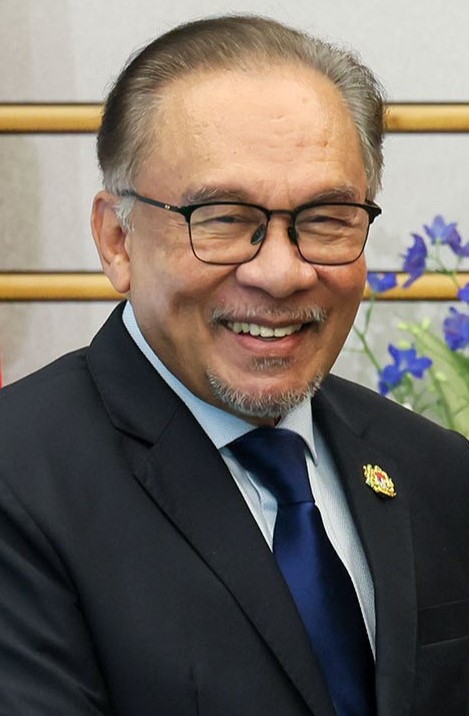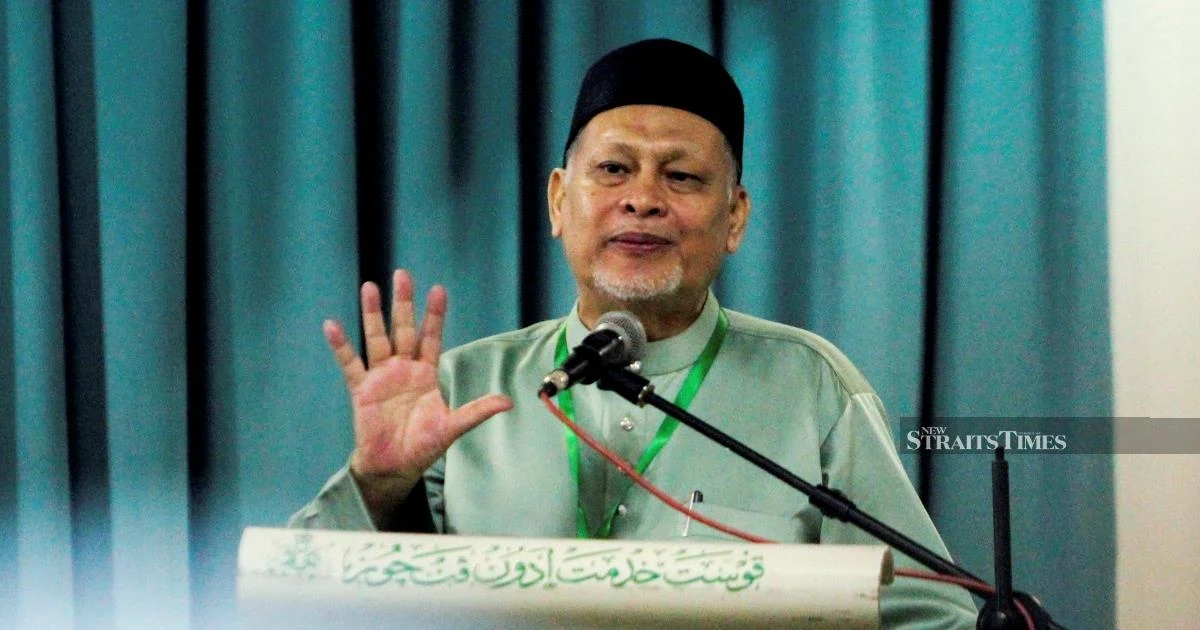
The Islamic Party has pushed back against Tan Sri Muhyiddin Yassin's recent declaration regarding the use of the Perikatan Nasional symbol in the forthcoming elections for Johor and Negri Sembilan, characterising his announcement as premature and insufficiently deliberated. Speaking from Kota Baru, PAS leadership suggested that such a significant decision affecting the coalition's electoral strategy warranted broader discussion among member parties before public pronouncement.
The controversy highlights underlying tensions within the PN alliance as it prepares for crucial state-level contests. The coalition, which has governed several states, faces the immediate challenge of presenting a unified front while managing diverse interests among its constituent parties. PAS, as the largest component in terms of membership and a dominant force in several key states, appears concerned that major strategic decisions are being made without sufficient input from all partners. This friction suggests the coalition structure remains fragile despite its electoral successes in recent years.
Muhyiddin's announcement came at a time when the PN alliance is consolidating its position across Malaysian politics. The coalition has demonstrated significant strength in peninsular politics, holding multiple state governments and playing a kingmaker role at the national level. However, the decision to advance the unified PN logo in state elections represents a strategic shift that carries implications for how individual parties market themselves to voters and distribute credit for electoral victories. For Bersatu specifically, using the coalition symbol rather than its own party identity signals confidence in PN's brand strength while potentially subordinating party-specific recognition.
Johor represents a particularly sensitive battleground in Malaysian electoral politics. As the nation's second-largest state and a traditionally competitive arena, the contest there will serve as a significant indicator of coalition performance ahead of potential federal elections. Similarly, Negri Sembilan, though smaller, holds strategic importance within the broader Klang Valley region and demonstrates the coalition's reach beyond its traditional strongholds. The electoral dynamics in both states will shape perceptions about PN's momentum and sustainability as a major political force.
The timing of Muhyiddin's statement compounds PAS concerns about decision-making protocols within the coalition. Political partnerships require careful calibration to maintain cohesion, especially when sensitive matters like electoral branding are involved. Each coalition member brings distinct electoral strengths and voter bases that are not automatically transferable to a unified symbol. While the PN logo carries the weight of the alliance's collective achievements, individual party identities often resonate more powerfully with grassroots supporters who have traditionally voted along party lines rather than coalition lines.
PAS's objection reflects broader questions about governance within PN that Malaysian political observers have consistently raised. The party has historically maintained strong independent structures and electoral machinery, particularly in Kelantan and Terengganu where it dominates state politics, and in rural constituencies across the peninsula. Any decision to minimise party-specific branding in favour of coalition imagery potentially diminishes PAS's ability to showcase its distinctive political platform and governance record to voters who might otherwise credit the party directly for coalition-level achievements.
The conflict also underscores resource allocation questions within the alliance. Campaign budgets, media attention, and electoral machinery deployment often depend on how clearly parties are distinguished in voter minds. When coalition logos predominate, the accounting becomes murkier, potentially affecting how campaign resources are distributed and credited back to individual parties. This consideration becomes particularly acute in contests where multiple PN components field candidates across different constituencies, requiring subtle coordination to avoid internal competition.
For the broader Malaysian electorate, this internal coalition disagreement signals that PN, despite its electoral success, continues grappling with operational challenges that multi-party alliances inherently face. Successful coalition management requires not just agreement on broad ideological direction but also detailed protocols for major decisions. The apparently unilateral nature of Muhyiddin's announcement—without prior formal discussion with coalition partners—suggests these protocols may not yet be fully developed or respected, potentially foreshadowing similar disputes as campaign preparations accelerate.
The situation also carries implications for federal-level politics beyond these state contests. How PN manages internal disagreements and reconciles differing interests among members will influence its credibility as a governing coalition should it return to the federal government. The party that manages its partnerships more effectively typically enjoys stronger staying power in Malaysian politics. PAS's willingness to publicly object to Muhyiddin's decision demonstrates that coalition members remain prepared to assert their interests rather than passively accepting decisions from the alliance chairman's office.
Moving forward, the immediate question centres on whether the coalition will formally convene to discuss the electoral branding strategy or whether individual parties will proceed according to their own preferences. The outcome will either reinforce existing coalition structures or expose fundamental disagreements about decision-making authority that could complicate operations further down the line. For Malaysian voters watching these developments, the episode offers insight into how PN actually functions behind its unified public messaging, revealing the complex negotiations required to maintain multi-party coalitions in Southeast Asia's most complex electoral system.