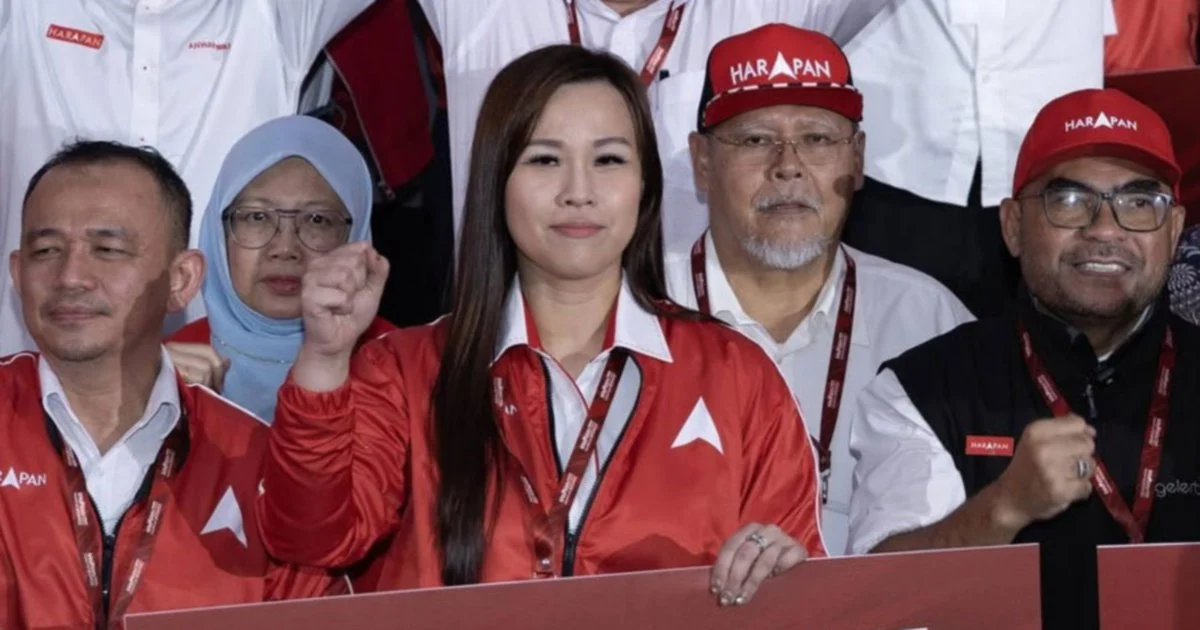
Tension within Pakatan Harapan's coalition has surfaced in Johor as the Pasir Gudang division of Amanah announces plans to withhold campaign support for Sharon Teo, the coalition's chosen candidate for the Permas state constituency in the upcoming 16th Johor state election. The party faction has levelled criticism at the appointment, deeming Teo a 'parachute candidate' imposed without sufficient grassroots consultation.
The Pasir Gudang Amanah leadership's decision reflects a growing friction within the broader Harapan alliance as state-level selections are finalised ahead of the election. Amanah, historically a component of the opposition coalition, has experienced internal dynamics where local branches sometimes diverge from central party directives, particularly when candidate selections bypass conventional nomination procedures. This instance in the Permas constituency illustrates how such tensions can manifest publicly, potentially complicating the coalition's unified messaging during the campaign period.
Speaking from Johor Baru, Pasir Gudang Amanah leaders justified their stance by emphasising the importance of home-grown candidacy and organic party development. Their terminology—'parachute candidate'—carries pejorative weight in Malaysian political discourse, suggesting that Teo was airlifted into the seat without demonstrating prior involvement or connection to local community structures and party machinery. This accusation touches on broader anxieties within coalition branches about electoral viability and the perceived legitimacy of selected representatives.
For Pakatan Harapan, such public dissent creates a credibility challenge. The coalition has positioned itself as a reformist alternative emphasising transparency and inclusive decision-making, yet internal disagreements over candidate selection betray a messier reality. Johor, historically crucial to coalition fortunes given its status as one of Malaysia's largest states, has witnessed several contested selections in recent electoral cycles. The state's political culture often prioritises demonstrated community leadership and local networks, making externally-appointed candidates inherently vulnerable to such criticism.
Sharon Teo's appointment to contest Permas requires examination within broader PH strategy. The coalition may have selected her based on perceived electability, demographic appeal, or strategic considerations invisible to grassroots observers. Conversely, Pasir Gudang Amanah's objections may reflect legitimate concerns about candidate viability or internal party procedures. Without direct access to selection deliberations, observers must weigh the coalition's institutional judgement against divisional feedback.
The Permas seat's electoral profile further contextualises this standoff. Located in the Johor Baru metropolitan area, Permas encompasses diverse demographic segments and has shifted between coalition and opposition control in recent elections. Both major blocs will invest resources here, and internal coalition fractures could prove costly in a genuinely competitive contest. Amanah's withdrawal of campaign efforts, even if selective rather than absolute, potentially reduces volunteer mobilisation and grassroots momentum.
This episode illuminates the structural vulnerabilities within Malaysian coalition politics. Unlike disciplined single-party systems, multi-party alliances require constant negotiation over seat allocations, candidate selection, and resource distribution. When central party leadership overrides divisional preferences, resentment festers, particularly if pre-existing relationships and internal hierarchies were not consulted. The Permas situation demonstrates how procedural grievances can escalate into public confrontations that undermine campaign effectiveness.
Pakatan Harapan has navigated such tensions before, most notably during the 2022 cycle when internal disputes over seat allocations threatened coalition cohesion. Johor provides another testing ground. The coalition's performance in the state remains strategically important, making divisional boycotts more than symbolic gestures—they represent actual losses in campaign capacity during an election where margins may prove decisive.
For Amanah specifically, this stance requires careful calibration. As a smaller coalition component, the party risks being sidelined if perceived as obstructionist, yet silence suggests complicity in processes Pasir Gudang members oppose. Public pushback, while risky, preserves the division's autonomy and signals to members that local voices matter. This calculus varies across different branches and state contexts, illustrating how decentralised coalition management remains conceptually contested.
Looking ahead, resolution likely requires either dialogue between Harapan leadership and Pasir Gudang Amanah leadership, or a period of mutual tolerance where both proceed with diminished coordination. Sharon Teo will campaign, though with uneven support from the broader Harapan machinery. The Permas constituency contest becomes a microcosm of larger coalition dynamics—organisational coherence tested against genuine internal disagreement.
The Johor election, when held, will reveal whether such friction proves consequential at the ballot box. If Permas results disappoint Harapan, post-election analyses will revisit Amanah's boycott as a cautionary example of internal dissent's electoral costs. Conversely, strong performance might validate either the candidate selection or the limited impact of divisional objections. Either way, the episode demonstrates that Malaysian coalition politics remains populated by competing incentives, incomplete central authority, and recurring tensions between national strategy and local democratic legitimacy.

