Penang Chinese Town Hall (PCTH) concluded its 2025 financial year with a total revenue of RM12.61mil, marginally exceeding operational costs of RM12.55mil and yielding a surplus of RM59,191. The modest surplus reflects the organisation's continued role as a cultural and community hub in the northern state, operating primarily through philanthropic contributions and venue utilisation.
Donations formed the financial backbone of PCTH's operations, generating RM11.24mil or approximately 89 per cent of total income. This heavy reliance on charitable contributions underscores the organisation's positioning as a community-serving entity rather than a commercial venture. Beyond donations, PCTH diversified its revenue streams through rental and maintenance fees bringing in RM439,671, auditorium rental revenues of RM361,245, and anniversary-related receipts totalling RM222,498. The variety of income sources demonstrates the venue's active use by multiple stakeholder groups within Penang's Chinese community.
On the expenditure side, PCTH's spending patterns closely mirrored its revenue composition. Donations disbursed to causes and beneficiaries represented the largest outlay at RM11.12mil, accounting for 88.6 per cent of total spending. This figure actually declined from RM12.35mil in 2024, suggesting either reduced charitable commitments or more targeted distribution of resources. Conversely, administrative costs grew modestly, with salaries and allowances increasing to RM502,625 from RM452,761 in the previous year—a rise reflecting operational pressures or expansion in staffing levels.
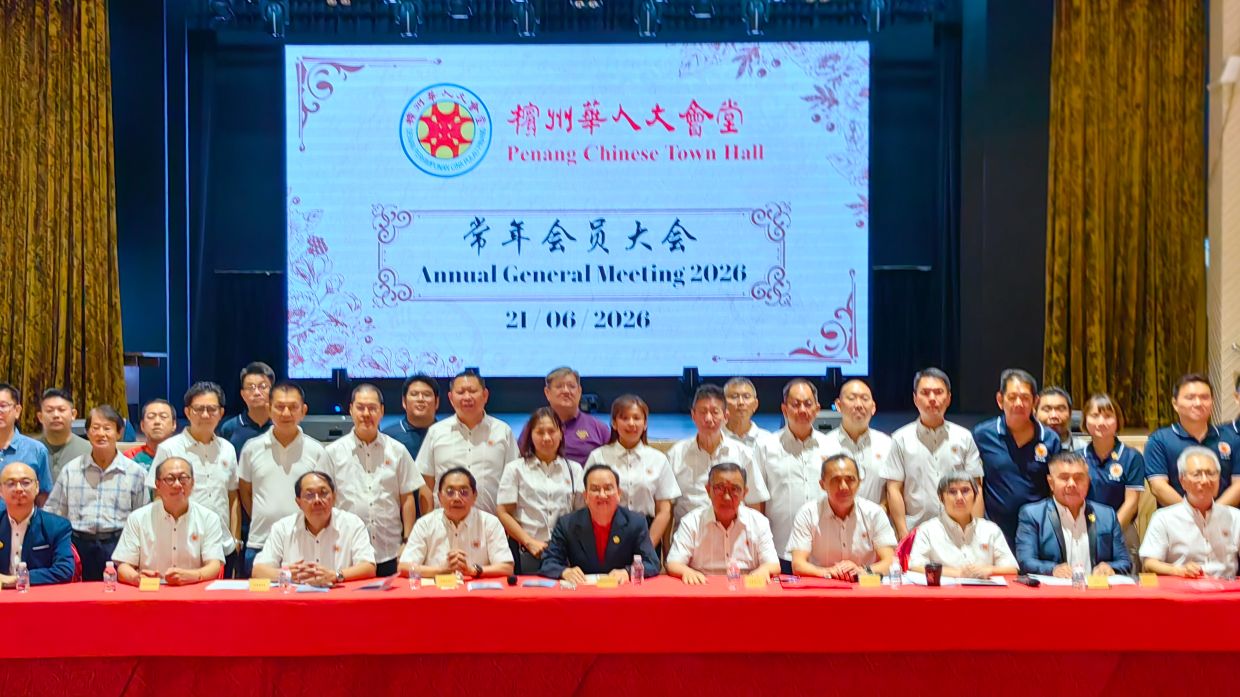
At PCTH's annual general meeting held on June 21 and attended by approximately 200 members, chairman Tan Sri Prof Tan Khoon Hai articulated a broader vision extending beyond financial stewardship. He emphasised the civic importance of electoral participation, urging members to exercise their voting rights conscientiously. With Johor and Negri Sembilan scheduled to conduct state elections during 2025, his remarks resonated with immediate electoral considerations affecting the broader Malaysian political landscape.
Tan advocated for voters to evaluate competing candidates and parties based on rational assessment of their track records and policy platforms rather than emotional or familial allegiances. He stressed that electoral choices should prioritise candidates capable of fostering national unity, catalysing economic development, and preserving social cohesion—concerns particularly relevant to multiethnic Malaysia where community leaders wield considerable influence over electoral behaviour. His framing positioned elections as consequential decisions shaping the nation's trajectory rather than purely local governance matters.
Beyond financial and political commentary, Tan unveiled the completion of PCTH's modernisation of Ping Zhang Hall, an initiative reflecting the organisation's commitment to maintaining contemporary facilities. The renovated auditorium now features expanded seating capacity, enhanced comfort standards, and upgraded technical infrastructure including professional-grade sound, lighting, and LED systems. These improvements position the venue as a competitive facility for corporate functions, association gatherings, anniversary celebrations, and charitable events—sectors increasingly important to revenue diversification in cultural organisations.
Moresignificantly, Tan announced PCTH's participation in organising the 2026 China-Asean Artificial Intelligence Cooperation Forum, scheduled for November in Penang. This initiative represents a strategic pivot toward technology-focused programming and positions the organisation within regional technological development conversations. The forum will convene artificial intelligence experts, corporate executives, and industry specialists from across China and the ten Asean nations to exchange knowledge on emerging technologies, commercial applications, and transnational cooperation frameworks.
Penang's selection as host reflects its established reputation as the "Silicon Valley of the East" and its dominant position within Malaysia's electrical and electronics manufacturing sector. The state has systematically developed infrastructure and expertise supporting advanced technology industries, creating a natural foundation for artificial intelligence-related development. By hosting this regional forum, PCTH positions itself and Penang as intellectual hubs in Southeast Asian technology governance—a strategic choice with implications for talent attraction, investment flows, and policy influence across the region.
Tan explicitly invited PCTH members possessing relevant technological expertise to participate actively in forum discussions and planning. This outreach suggests the organisation recognises its membership's potential as knowledge contributors and relationship bridges between Chinese and Asean technology ecosystems. Such engagement could generate additional prestige and positioning for PCTH as a serious player in regional technology governance rather than a purely cultural institution.
The convergence of improved financial management, venue modernisation, and engagement with cutting-edge technology initiatives indicates strategic institutional evolution at PCTH. Rather than resting on historical significance as a community gathering place, the organisation appears determined to remain relevant to contemporary Malaysian and regional development priorities. For readers tracking Penang's economic development trajectory, PCTH's trajectory suggests how traditional community institutions are repositioning themselves within knowledge economies and technological cooperation frameworks reshaping Southeast Asia.

