Penang police have rolled out a comprehensive security and traffic management strategy for the HAWANA 2026 National Journalists' Day celebration at PICCA Convention Centre @ Butterworth Arena, pledging to maintain smooth operations without imposing road closures that would disrupt the movement of ordinary residents. The event, scheduled to culminate with Prime Minister Datuk Seri Anwar Ibrahim's officiation on June 20, represents one of the year's major gatherings for Malaysia's media community and the public.
Datak Azizee Ismail, Penang's police chief, outlined the security framework during a statement to Bernama, emphasising that the operational approach draws directly from the successful Malaysia Day 2025 celebration held at the identical venue the previous year. This continuity of strategy suggests the authorities have refined their crowd management protocols based on proven experience, allowing them to anticipate potential bottlenecks and security concerns with greater precision. The decision to reference the earlier event underscores Penang's institutional learning in handling large-scale public gatherings that blend ceremonial significance with substantial public participation.
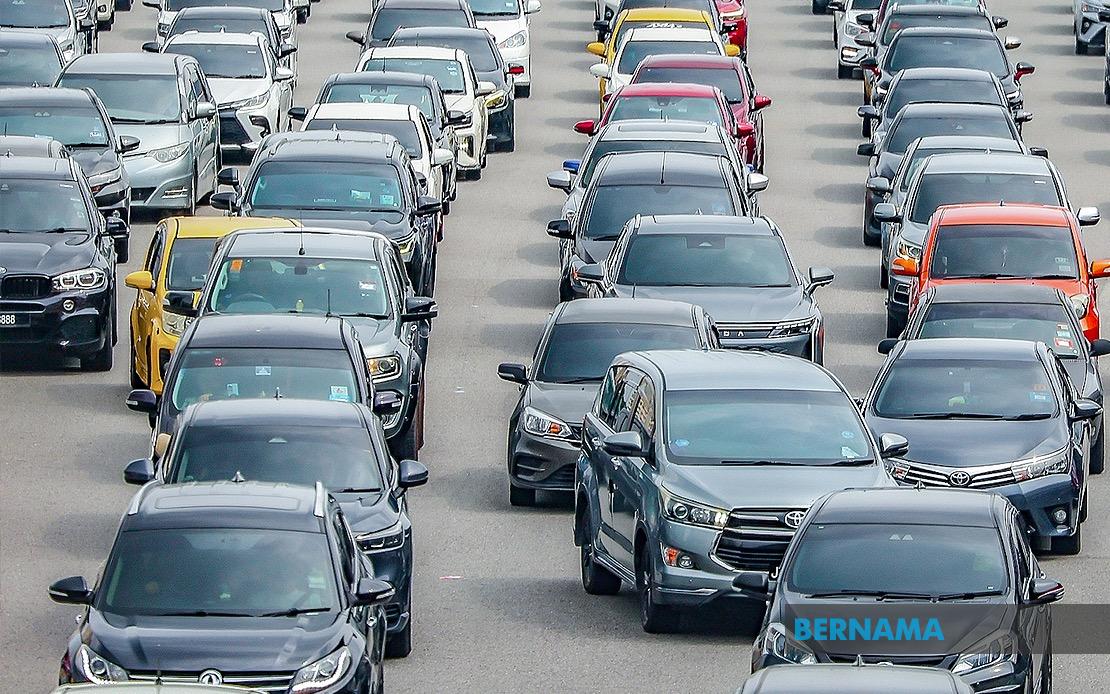
The cornerstone of the traffic management plan centres on implementing strategic road diversions rather than blanket closures, a nuanced approach that acknowledges the tension between facilitating special events and protecting the economic and social rhythms of surrounding communities. Traffic police personnel will position themselves at major intersections to guide vehicle flow, converting what might otherwise become a point of friction into an opportunity for orderly coordination. This distribution of officers across the roadway network represents a labour-intensive commitment, reflecting the scale of anticipated congestion during the three-day programme.
The security personnel allocation matches the deployment level used during Malaysia Day 2025, suggesting the authorities anticipate comparable attendance and similar risk profiles. This standardised approach offers consistency to both event organisers and the public, as residents and commuters familiar with last year's arrangements can expect similar operational patterns. However, the absence of specific numbers regarding security or traffic personnel in the statement means observers cannot directly assess whether the scale of deployment represents an increase relative to typical Penang operations or simply maintains established thresholds.
The HAWANA 2026 Summit proper will convene approximately 1,000 media practitioners from Malaysia and abroad, functioning as a professional gathering to recognise journalism's role in society and discuss industry challenges. The event's central theme, "Media Integrity Strengthens Credibility," signals an emphasis on press freedom and ethical journalism standards at a moment when media's societal standing faces scrutiny globally and regionally. The inclusion of international participants suggests Malaysia seeks to position itself within broader conversations about journalism's future, particularly relevant for a Southeast Asian nation where press dynamics remain subject to ongoing political and social debate.
Parallel to the professional summit runs the RIUH Pi HAWANA Carnival, a three-day cultural and commercial event designed to broaden public engagement beyond industry professionals. With projections of 30,000 visitors, this carnival component substantially exceeds the journalists' summit in scale, creating a bifurcated event structure where security and traffic considerations must accommodate both targeted professional gatherings and general public celebrations. This dual-track approach mirrors contemporary event management practice, where conferences increasingly integrate public-facing cultural programming to maximise visibility and community connection.
The carnival will feature over 24 local creative product brands alongside 20 food and beverage vendors, creating a marketplace environment that supports Malaysian small businesses and creative entrepreneurs while offering visitors entertainment and consumption opportunities. Sixteen stage performances, headlined by bands such as Exists, Bunkfac, Masdo, Sakura Band, Budak Nakal Hujung Simpang and Chelsea Ng, provide live entertainment with free admission, positioning the carnival as accessible cultural programming rather than an exclusive ticketed experience. This democratisation of access aligns with the stated aspiration to celebrate media practitioners while bringing the broader Penang public into meaningful participation.
For Malaysian and Southeast Asian readers, the HAWANA 2026 summit carries significance beyond ceremonial acknowledgement of journalism's role. The gathering occurs at a juncture when media landscapes across the region face pressures from digital disruption, government regulation, and audience fragmentation. By convening international practitioners and emphasising media integrity, Malaysia contributes to regional conversations about journalism's sustainability and professional standards at a time when many Southeast Asian countries struggle with misinformation, press freedom constraints, and the economic viability of traditional news organisations.
The logistical framework that Penang police have constructed—balancing security, traffic management, and public accessibility—reflects broader governance challenges in managing growth and event activity in Malaysian cities. The commitment to keeping main roads open rather than imposing comprehensive closures suggests an understanding that modern cities cannot afford to regularly halt normal operations for special events, yet must simultaneously accommodate large assemblies. This tension between public administration and public celebration remains unresolved across urban Malaysia, with HAWANA 2026 offering a test case in reconciling these competing demands.
Datak Azizee's advice to the public to plan journeys in advance and follow traffic personnel instructions represents the standard appeal made before major events, yet carries practical weight given that unplanned congestion can ripple across Penang's transport networks for hours. Residents and commuters who fail to anticipate the event's impact risk experiencing unexpected delays, making advance route planning economically rational for those whose movements might intersect with carnival traffic. This implicit bargain—accepting some inconvenience in exchange for cultural and professional programming—characterises how modern cities attempt to balance collective goods with individual convenience.
The Ministry of Communications' selection of Bernama as the HAWANA 2026 implementing agency reinforces the national news agency's role in coordinating major media-related initiatives while ensuring the government's messaging apparatus remains central to framing professional journalism discussions. This structural positioning raises questions about editorial independence and the spaces available for critical debate within the summit's programming, particularly regarding media regulation, government-press relations, and the boundaries of acceptable journalism in Malaysia's political context.
As HAWANA 2026 approaches, the success of Penang police's security and traffic management will provide empirical evidence about whether sophisticated logistics can enable large-scale public events without imposing disproportionate costs on surrounding communities. The lessons learned will likely inform future event management across Malaysia, particularly in Penang where growing tourism and event activities compete with residents' ordinary transportation needs. By maintaining operational transparency about security measures and traffic arrangements, authorities also model how public institutions can communicate frankly about constraints and trade-offs inherent in hosting major gatherings, a practice that strengthens public understanding if not always public enthusiasm for these events.