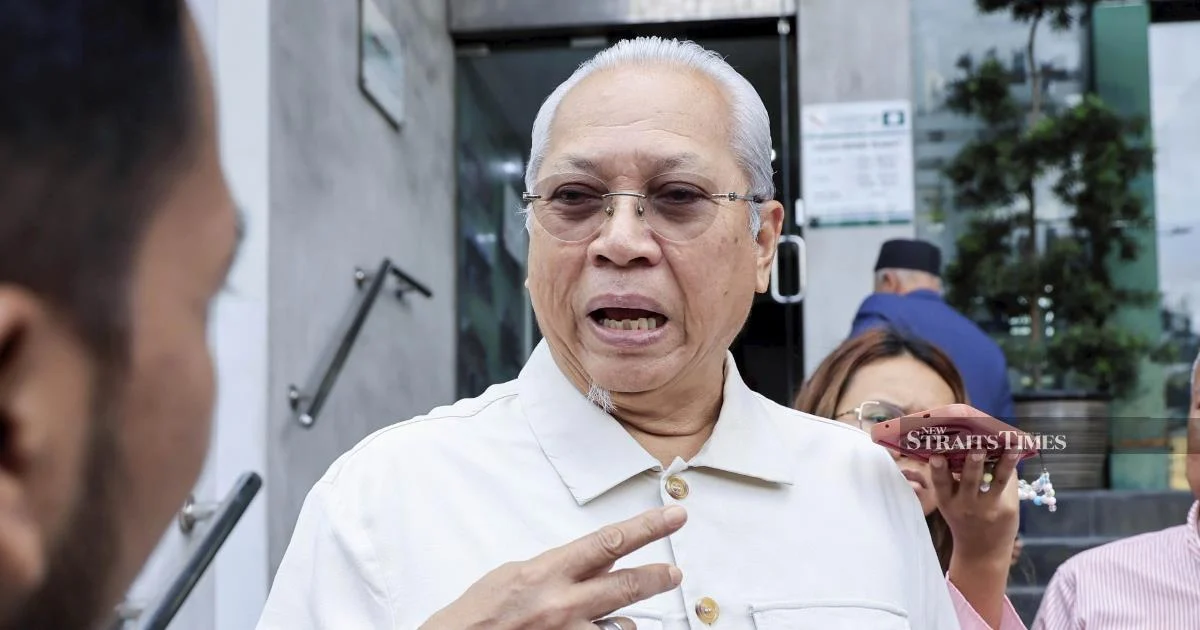
The Perikatan Nasional coalition has moved past a potentially contentious phase of its election preparations, with senior figures from the bloc departing seat negotiations at PAS headquarters in Kuala Lumpur today in apparent good spirits. The conclusion of discussions on seat distribution for the Johor state assembly election represents a critical juncture for the coalition, which has been working to maintain unity ahead of what many observers expect to be a significant electoral contest in the southern state.
The absence of visible tension or acrimony among party leaders as they exited the venue suggests that negotiations proceeded with sufficient flexibility to accommodate the different interests within the broader coalition framework. In Malaysian politics, seat allocation talks among coalition partners frequently become flashpoints for internal friction, as each component party seeks to maximise its own representation and influence. The fact that multiple PN leaders publicly expressed contentment with the outcomes indicates either that compromises were reached relatively early, or that party leaderships had previously done sufficient groundwork to smooth the path toward consensus.
Johor represents strategically important political territory for Perikatan Nasional. The state's electoral dynamics have shifted considerably in recent years, and successful performance there could significantly reshape the coalition's standing at the national level. Control of state government machinery also provides tangible resources and patronage networks that are crucial for Malaysian political parties seeking to consolidate their influence. The seat negotiation process therefore carries weight that extends well beyond mere legislative representation numbers.
The composition of Perikatan Nasional itself has evolved in ways that make seat distribution negotiations both more complex and potentially more fraught than in earlier iterations of the coalition. The bloc comprises parties with distinct ideological positions, geographic strongholds, and historical grievances. PAS brings its Islamic conservative base and strength in rural constituencies; Bersatu contributes its presence in certain urban and semi-urban areas along with its association with Muhyiddin Yassin's political faction; and smaller partners contribute their own regional or demographic niches. Reconciling these overlapping interests in a way that feels equitable to all parties requires careful calibration.
The timing of the seat finalisation also matters considerably. Elections in Malaysia often come with relatively short campaign periods once they are officially called, meaning that parties need to move swiftly from negotiation to candidate selection and then to campaign activation. A prolonged, acrimonious negotiation process could leave parties scrambling to prepare their campaigns, potentially disadvantaging the coalition against more unified opponents. The apparent smooth conclusion of talks therefore positions Perikatan Nasional better to execute a coherent campaign strategy.
For Malaysian political observers, the demeanour of coalition members leaving the talks provides one of the few windows into the actual dynamics of these negotiations, which typically occur behind closed doors. Body language, tone, and willingness to make public statements all signal something about the underlying health of inter-party relationships. The positive mood reported among several PN figures suggests that whatever compromises were made, they were not perceived as humiliating or unacceptable by those involved. This stands in contrast to other coalition negotiations that have ended with visible frustration or thinly veiled complaints about unfair treatment.
The broader political context shapes how these seat discussions unfold. Currently, the federal political landscape remains fluid, with various coalitions and configurations being tested at different state levels. Perikatan Nasional has positioned itself as an alternative to both Barisan Nasional and Pakatan Harapan, though its electoral fortunes have proven uneven. A successful negotiation process and subsequent strong performance in Johor could strengthen its hand in future political manoeuvring, whereas internal discord followed by disappointing electoral results could erode its credibility as a stable governing coalition.
The role of PAS as host of the negotiations is itself noteworthy. As Malaysia's largest Islamic party by membership and an entity with strong electoral bases in several states, PAS exercises considerable weight within the Perikatan framework. Whether the negotiations at its headquarters reflected PAS hosting a relatively balanced discussion among peers, or rather PAS using its position to shape outcomes favourably, remains unclear from external observation. Party leadership will naturally project narratives that suggest fair dealing and mutual respect.
Looking ahead, the Johor elections will test whether this apparent harmony within Perikatan Nasional translates into effective campaign coordination and voter appeal. Seat distribution that looks equitable in closed rooms must also feel legitimate to party members and supporters, who will be asked to work hard to deliver votes in assigned constituencies. If grassroots members perceive that seat allocations were unfair, their enthusiasm and effort during the campaign phase could suffer noticeably. The coming weeks and months will reveal whether today's positive mood among leaders reflects genuine coalition cohesion or merely the temporary relief that often follows the conclusion of difficult negotiations.

