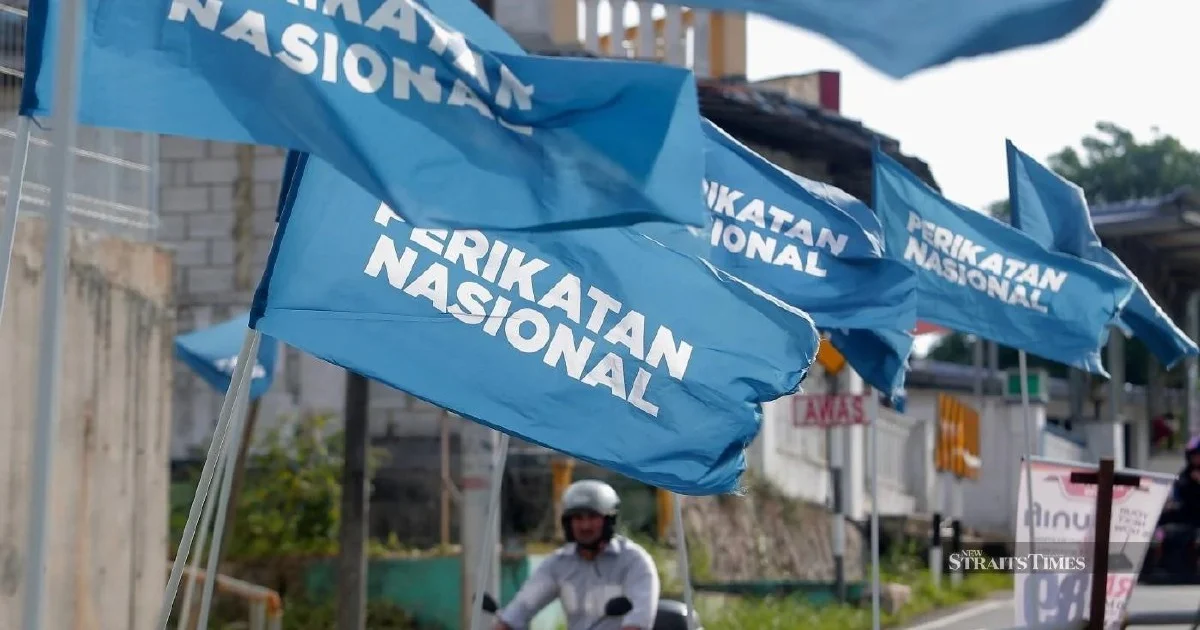
Perikatan Nasional (PN) has moved swiftly to squash widespread rumours circulating on social media that the coalition intends to abstain from the impending Johor state election. The deputy chairman, P. Punithan, issued a firm denial on Tuesday, characterising the viral claim as nothing more than deliberate misinformation designed to confuse voters and undermine the coalition's credibility in the crucial state poll.
The false statement, which spread rapidly across various online platforms, claimed that PN would withdraw from electoral competition in Johor, effectively ceding the political battlefield to rival coalitions. Such a move would have represented a dramatic strategic reversal for the bloc, which has positioned itself as a significant force in Malaysian politics since its formation and has contested elections across multiple states. Punithan's rejection of the claim underscores the coalition's determination to maintain its narrative control and prevent misinformation from dictating the pre-election discourse.
The incident highlights the persistent challenge faced by political parties in Malaysia regarding the spread of unverified information through social media channels. False rumours and fabricated statements can gain traction quickly, potentially influencing voter sentiment and party morale before fact-checking mechanisms can effectively counteract them. In this case, PN recognised the threat posed by the viral claim and responded with immediate clarification, signalling that such false narratives would not go unchallenged.
For voters and observers monitoring political developments in Johor, the denial carries particular significance. The state has historically served as a critical battleground in Malaysian elections, wielding considerable influence over national political outcomes. Any substantial shift in PN's strategy or electoral participation would have profound implications for the competitive landscape. By firmly rejecting the claim, PN leadership has reassured its supporters and political partners that the coalition remains committed to active participation in the contest.
The timing of such misinformation is noteworthy, arriving as political parties intensify their campaign preparations and voter outreach efforts. Election periods typically coincide with increased circulation of unverified claims, as various actors seek to manipulate public opinion or create uncertainty around party intentions. The fake statement about PN's withdrawal appears consistent with this pattern, potentially originating from detractors seeking to weaken the coalition's position by sowing doubt about its commitment to electoral competition.
Punithan's response reflects PN's broader communications strategy, emphasising the party leadership's accessibility and willingness to address concerns directly. By personally issuing the denial rather than delegating the task to subordinates, the deputy chairman conveyed the seriousness with which PN treats the matter and its determination to combat falsehoods with authoritative clarification. This approach carries weight with party members and sympathetic observers who may otherwise harbour uncertainty about the accuracy of the viral claim.
The incident also underscores the growing sophistication of information warfare in Malaysian politics. Political actors increasingly recognise the potency of social media as a vector for narrative manipulation, whether through fabricated statements, manipulated media, or strategically timed rumours. Parties must now devote considerable resources to real-time monitoring of online discourse and rapid response protocols to counter false claims before they take root in the public consciousness.
For political observers in Southeast Asia, the episode serves as a reminder that Malaysian elections continue to operate within an environment shaped by both traditional institutional competition and newer digital-age challenges. The ability of parties to swiftly identify and rebut false claims has become as important as their ground-level campaigning capabilities. PN's decisive action in this instance demonstrates awareness of how rapidly misinformation can spread and the necessity of prompt intervention.
The Johor state election represents a significant test for multiple political blocs, and PN's participation remains consequential for the outcome. By forcefully denying the withdrawal claim, the coalition has reaffirmed its commitment to contesting every available seat and competing vigorously for voter support. Whether the coalition can translate this commitment into electoral success, however, will depend on factors extending far beyond the management of misinformation—including policy proposals, candidate quality, ground organisation, and broader voter sentiment regarding national governance and state-level issues.

