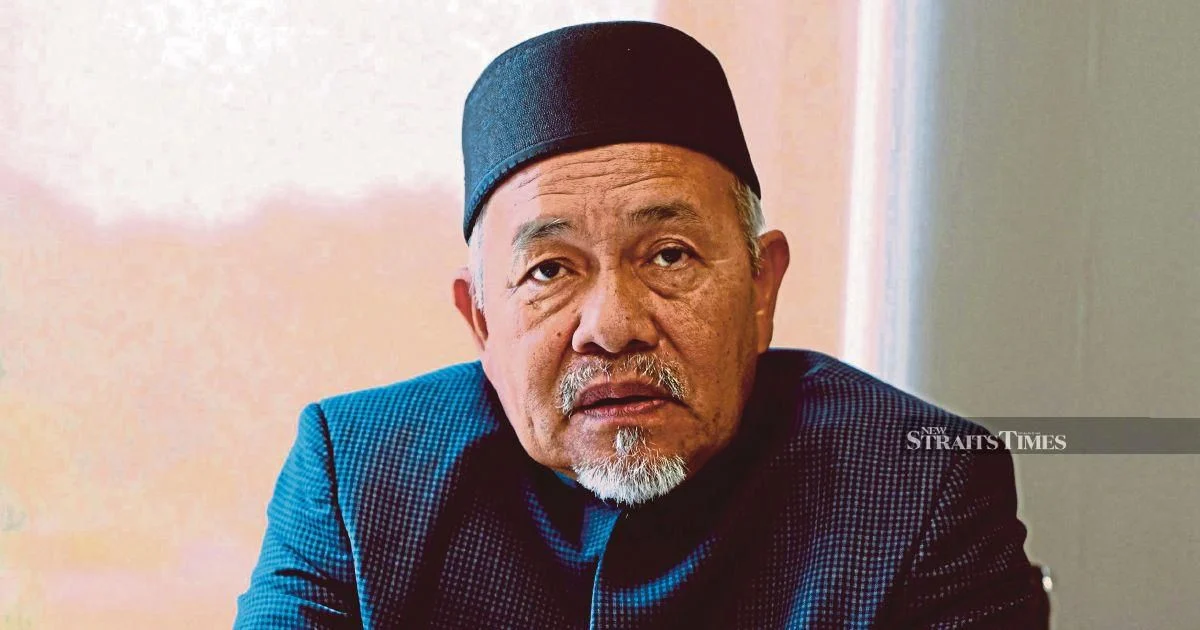
Perikatan Nasional has undertaken a significant restructuring of its leadership framework designed to reinforce internal cohesion and equip the coalition for navigating the complex Malaysian political landscape ahead. The move, announced from Kota Baru, reflects the coalition's determination to consolidate its organisational strength following previous rounds of internal adjustments and to ensure it remains a formidable political force in a rapidly evolving national context.
The coalition's reorganisation represents a deliberate strategic recalibration aimed at addressing structural weaknesses and optimising coordination among its constituent parties. By reshaping the command structure, Perikatan Nasional seeks to clarify decision-making hierarchies and strengthen lines of communication between senior leadership and grassroots members. This kind of internal restructuring is common among Malaysian political coalitions attempting to maintain unity and operational efficiency, particularly when facing external pressures or adjusting to shifts in electoral dynamics.
Tuan Ibrahim, speaking as a key figure within the coalition's leadership, emphasised that the restructuring effort extends beyond mere administrative reorganisation. The initiative is fundamentally about preparing the coalition for the policy challenges and electoral competitions that lie ahead, whether at state or federal level. In Malaysian politics, such proactive measures often signal that a coalition is taking stock of its position and seeking to strengthen its institutional capacity before major political events or transitions occur.
The timing of this restructuring carries particular significance given the current political climate in Malaysia. With ongoing discussions about shifting electoral alignments and the possibility of state-level elections or other political developments, Perikatan Nasional's leadership appears intent on ensuring the coalition presents a unified front. Internal cohesion has been a recurring challenge for multi-party coalitions in Malaysia, where individual component parties sometimes pursue divergent interests or agendas that can undermine overall coalition effectiveness.
Within Perikatan Nasional's structure lie several important political actors whose interests must be carefully balanced. The coalition comprises parties with distinct regional bases, ideological orientations, and electoral constituencies. By undertaking a systematic restructuring, the leadership aims to create mechanisms that better accommodate these differences while maintaining overarching coalition discipline. This is essential for preventing the kind of fracturing that has historically weakened political alliances in Malaysia.
The restructuring also demonstrates that Perikatan Nasional takes seriously its role in the broader Malaysian political ecosystem. The coalition has been an alternative to established structures like Barisan Nasional and Pakatan Harapan, and maintains ambitions to influence policy direction at both state and national levels. A stronger internal structure enhances the coalition's credibility with voters and potential alliance partners, as it signals stability and professional governance capacity.
For Malaysian voters and observers, the significance of this restructuring lies in what it suggests about the coalition's strategic vision. Rather than reacting passively to political developments, Perikatan Nasional is attempting to shape its own readiness for future contests. This proactive stance may appeal to constituencies that value stability and forward-thinking political management, particularly in states where the coalition holds influence or aspires to hold greater sway.
The restructuring effort also intersects with broader questions about coalition management in Malaysian politics. As the nation's party system has become more fragmented and multipolar, maintaining coherent coalition structures has become increasingly challenging. Perikatan Nasional's approach of undertaking preventive reorganisation before crises emerge represents a potentially instructive model for other political alliances facing similar pressures.
From a Southeast Asian perspective, this kind of internal political reorganisation reflects patterns visible across the region, where coalitions and alliances frequently adjust their structures to maintain competitiveness. Malaysia's particular challenge lies in balancing federal diversity, state-level autonomy, and coalition-wide coherence—pressures that make ongoing structural refinement necessary for any major political grouping.
Looking ahead, the effectiveness of this restructuring will be measured by whether Perikatan Nasional can sustain improved coordination and unity across its component parties. The coalition's leadership appears to recognise that in contemporary Malaysian politics, only well-organised and disciplined alliances can compete effectively for voter support and government positions. By strengthening its institutional framework now, Perikatan Nasional is positioning itself to capitalise on opportunities that may emerge in the coming months and years, whether through electoral contests or shifts in parliamentary alignments.
The restructuring also underscores a broader reality about Malaysian coalition politics: success requires constant attention to internal dynamics and institutional development. Perikatan Nasional's acknowledgement of this necessity, through Tuan Ibrahim's public positioning of the restructuring as a strengthening exercise, suggests the coalition takes its responsibilities to members and voters seriously and is committed to building the organisational foundations necessary for sustained political relevance and influence.