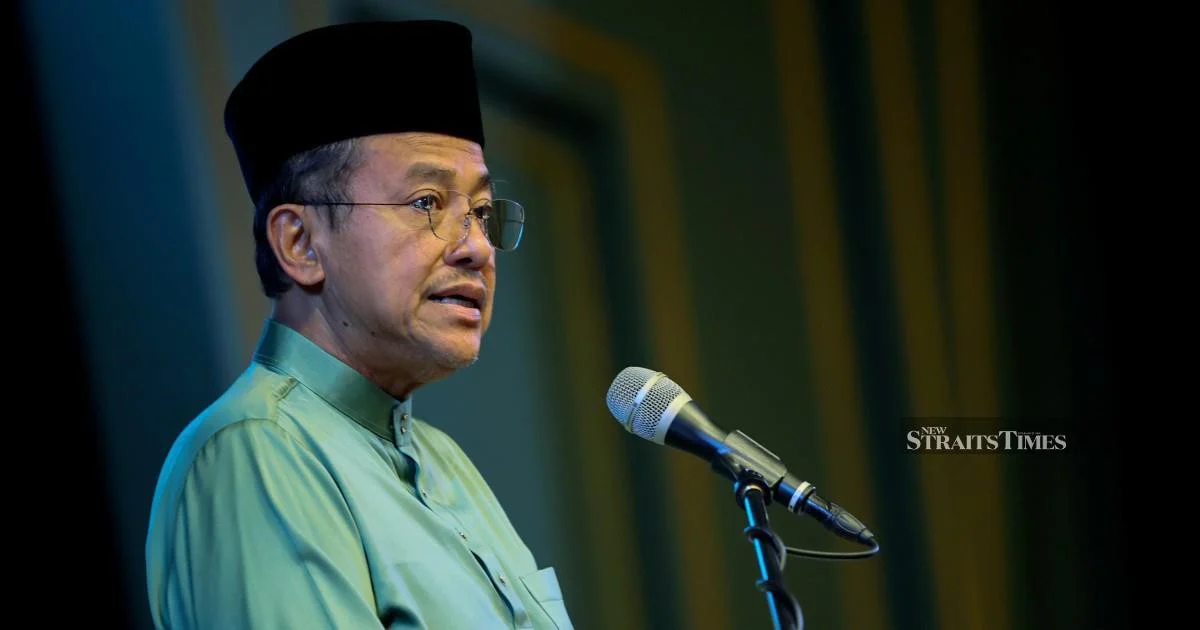
The Perikatan Nasional leadership council is poised to examine Bersatu's position within the coalition during a high-level gathering scheduled for tomorrow, according to remarks made by Pas vice-president Datuk Seri Dr Ahmad Samsuri Mokhtar in Temerloh. The meeting signals intensifying scrutiny of the partnership dynamics between the three main components of the PN alliance, which has served as a counterweight to the Pakatan Harapan administration at the federal level.
The timing of this leadership council session arrives amid growing speculation about the stability and future trajectory of Bersatu's involvement in Perikatan Nasional. Since the coalition's formation, the relationship between its constituents has occasionally shown signs of strain, with disagreements over strategic direction and seat allocation emerging in various state-level negotiations. The scheduled discussion suggests these internal tensions have reached a point requiring formal examination by senior party figures.
Bersatu's position within PN has become increasingly significant given its pivotal role in recent political developments across Malaysia. The party controls considerable parliamentary representation and carries considerable weight in several state assemblies, making any shift in its commitment to the coalition consequential for the broader opposition landscape. The impending council meeting represents an opportunity for stakeholders to address unresolved issues before they potentially escalate into more serious fractures.
PAS, as the largest component of the PN alliance by membership and grassroots organisation, maintains substantial influence over coalition decisions. Dr Ahmad Samsuri's willingness to publicly acknowledge the upcoming discussion indicates the matter has transcended internal party handling and now requires transparent acknowledgment before the broader political community. This development underscores the delicate balance required to maintain coalition cohesion when member parties possess divergent ambitions and organisational priorities.
The discussion tomorrow will likely encompass various dimensions of Bersatu's continued participation. Issues under examination may include resource allocation within the coalition, coordination of political messaging, and alignment on policy positions ahead of potential election cycles. Leadership councils of this nature typically serve as venues where such structural and strategic matters receive formal consideration, with decisions potentially reshaping the operational framework governing inter-party relations.
For Malaysian political observers, this meeting carries implications extending beyond the coalition itself. The strength and stability of opposition blocs directly influences parliamentary dynamics and government formation possibilities. Any weakening of PN could theoretically benefit Pakatan Harapan's political position, though such shifts rarely occur in isolation without triggering broader realignments across the political spectrum. The outcome of tomorrow's discussion may therefore reverberate through multiple layers of Malaysian politics.
Regionally, coalition stability matters considerably in Southeast Asia's broader geopolitical context. Malaysia's internal political balance affects its relationships with neighbouring countries and its capacity to project coherent foreign policy positions. Opposition coalitions that lack internal unity frequently struggle to present alternative governance visions to electorates, reducing democratic quality through narrowed policy choices. The PN leadership's deliberate engagement with potential friction points demonstrates awareness of these broader stakes.
Bersatu's specific circumstances warrant consideration alongside general coalition dynamics. The party emerged from internal conflicts within UMNO and has consistently navigated questions about its long-term ideological commitment and organisational sustainability. Its presence within PN provides ideological diversity but also introduces elements of unpredictability, given the party's shorter operational history compared to PAS and other traditional opposition elements. Leadership discussions touching on Bersatu's future implicitly acknowledge these distinctive characteristics.
The public nature of Dr Ahmad Samsuri's announcement reflects deliberate communication strategy. Rather than allowing speculation to dominate discourse, PN leadership has chosen to signal that the coalition actively addresses internal concerns through established mechanisms. This transparency approach typically strengthens coalition credibility, as it demonstrates constituent parties engage constructively rather than permit festering tensions to fester unresolved. How the meeting concludes will determine whether this strategy successfully reinforces coalition cohesion or merely highlights divisions insufficiently bridged through discussion.
Observers should anticipate that outcomes may range from firm reaffirmation of Bersatu's role to substantive modifications of participation terms. Previous coalition adjustments in Malaysian politics have sometimes resulted in revised power-sharing arrangements or clarified protocols governing decision-making. Whether tomorrow's meeting produces dramatic announcements or maintains existing arrangements, the very act of formal deliberation sends important signals to both internal constituencies and external competitors about coalition vitality and operational seriousness.

