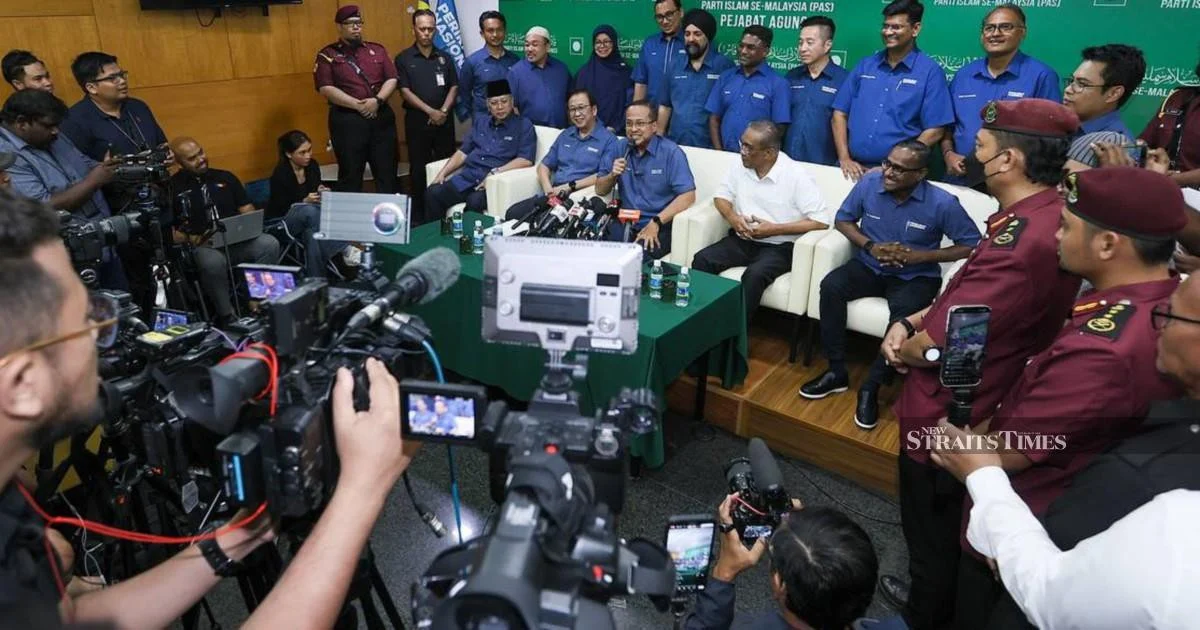
Perikatan Nasional (PN) is poised to resolve its internal seat distribution arrangements for the upcoming Johor state election following a special coalition meeting scheduled for today. The decision represents a watershed moment for the political alliance as it moves from preliminary discussions into concrete campaign positioning ahead of the electoral contest in the southern Malaysian state.
The finalisation of seat allocations has become increasingly significant given the competitive political landscape across Malaysia's three largest states and the broader implications for national coalition dynamics. Johor, as one of the peninsula's most populous and economically vital states, carries outsized weight in Malaysian electoral calculations. Control of the state government carries considerable administrative and financial influence, making the distribution of candidacies among coalition partners a high-stakes negotiation.
PN's constituent parties bring distinct organisational strengths and geographical bases to the coalition. The arrangement of which party contests which seats requires balancing several competing considerations: each member party's desire to maximise its own representation and parliamentary portfolio, the need to avoid direct triangular contests that could fracture the anti-government vote, and the strategic positioning of individual candidates against potential opposition challengers. These calculations become especially complex in urban versus rural constituencies, where demographic profiles and voter preferences diverge markedly.
The timing of today's meeting suggests that preliminary negotiations among coalition leadership have concluded sufficiently to enable formal endorsement. Coalition meetings of this nature typically occur only after senior party leaders have engaged in bilateral discussions and reached preliminary understanding on the distribution framework. The convening of the full special meeting indicates that negotiators have crossed the threshold from exploratory talks to implementation phase.
For Malaysian political observers, such coalition mechanics reveal how electoral competition functions within Malaysia's multi-party system. Unlike single-party systems where candidacy decisions rest with one organisation, coalition-based electoral arrangements require complex coordination. The need to satisfy multiple internal stakeholders while maintaining coalition cohesion creates genuine tensions. Party leaders must demonstrate to their grassroots supporters that negotiations have yielded fair treatment, while simultaneously sustaining unity necessary for competitive electoral performance.
Johor's electoral significance extends beyond state boundaries. The state has served as a political bellwether during previous national elections, and performance in state contests often influences momentum heading into federal campaigns. PN's positioning in Johor therefore carries implications for how the coalition might fare in future nationwide contests. Strong electoral organisation and unified messaging at state level builds institutional capacity valuable at national scale.
The coalition's approach to seat allocation also reflects broader calculations about opposition parties' strengths in particular constituencies. Strategic placement of strong candidates against identified opposition targets, while protecting vulnerable coalition seats through dedicated organisational resources, requires sophisticated electoral mapping. Coalition leaders must weigh nominating candidates capable of expansion into opposition-held seats against the necessity of defending existing coalition footholds.
For Johor voters navigating the electoral choice, the coalition's unified presentation matters significantly. Internal divisions apparent during campaign periods risk encouraging opposition campaigns that exploit such rifts, potentially suppressing turnout among coalition-inclined voters uncertain whether their vote will translate into preferred outcomes. Conversely, clear demonstration of coalition unity and agreed strategic direction provides voters greater confidence in supporting the collective ticket.
The stakes for individual component parties within PN involve not merely seat numbers but the composition of those seats. Premium constituencies offering advantages—whether through demographic trends, incumbent performance, or infrastructure development plans—carry disproportionate value in coalition negotiations. Similarly, parties competing for prominence within the coalition structure seek sufficient representation to claim meaningful influence over state government direction should the coalition prevail electorally.
Becoming public knowledge today, the coalition's seat allocation framework will shape campaign messaging and tactical positioning for all participants in the Johor election. Opposition parties will immediately analyse the distribution for evidence of internal strain or perceived unfairness that could be exploited during campaigning. Candidate-level dynamics will shift substantially once formal allocations become official, as losing aspirants begin determining whether to pursue alternative political paths or remain supportive of coalition choices.
The resolution of seat allocation comes amid broader Malaysian political flux. Coalitional arrangements continue evolving as parties recalibrate relationships in response to changing electoral circumstances and shifting voter preferences. PN's ability to sustain internal cohesion while prosecuting an effective electoral campaign in Johor will yield valuable intelligence about the coalition's durability and effectiveness as an opposition force consolidating against government incumbents.
Today's meeting therefore represents considerably more than procedural distribution of candidacies. It constitutes PN's formal declaration of readiness for competitive electoral engagement in Johor, with internal arrangements sufficiently resolved to enable unified public campaign efforts. The coalition's subsequent campaign performance will test whether these negotiated arrangements translate into effective on-the-ground organisation and electoral reward.

