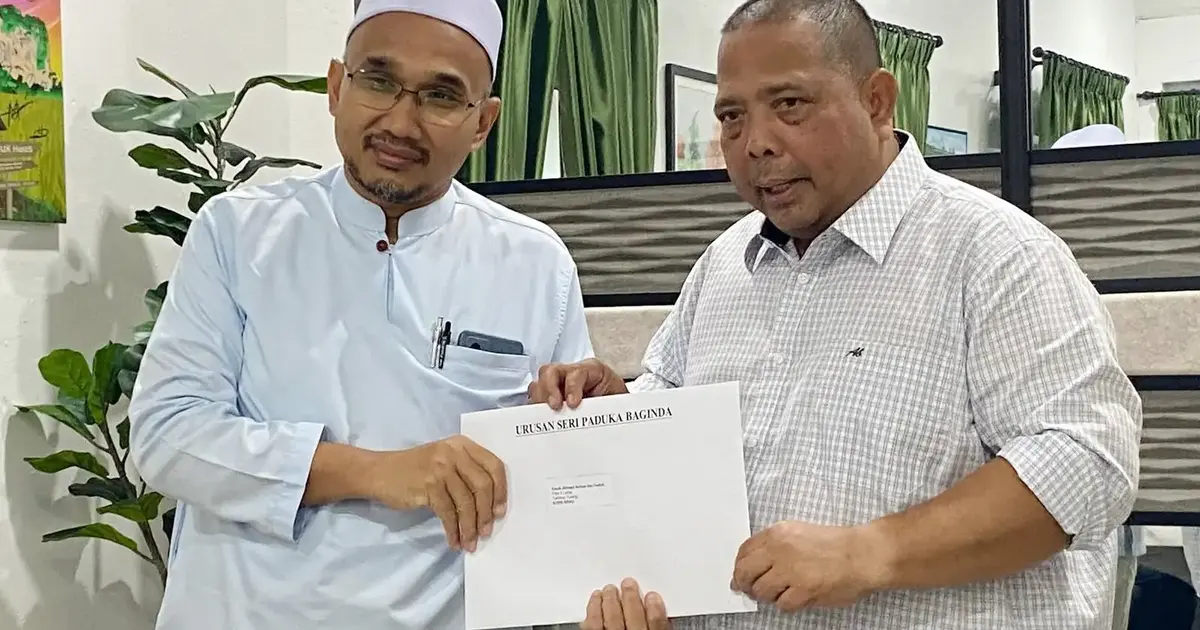
The Perlis state government has formalized a significant organizational restructuring by appointing three senior PAS members to coordinate party activities across three key state constituencies. Aziz Ahmad, Jamil Kamis, and Ahmad Adnan Fadzil have been entrusted with steering the party machinery in Chuping, Bintong, and Guar Sanji respectively, representing a deliberate consolidation of political influence across the state's electoral landscape.
This appointment comes at a crucial juncture for PAS in Perlis, where the party maintains substantial political footing in the country's smallest state by population. The move suggests the party is intensifying grassroots mobilization and strengthening its organizational framework, particularly in constituencies where maintaining voter support remains strategically vital. The coordinator positions carry significant weight in state politics, as these officials serve as critical liaison points between party leadership and local constituencies, managing community engagement, member recruitment, and campaign coordination.
Chuping, Bintong, and Guar Sanji collectively represent substantial electoral terrain within Perlis, encompassing diverse demographic constituencies ranging from urban centres to rural farming communities. Each coordinator appointment reflects careful consideration of local political dynamics and the need for experienced party operatives familiar with constituency-specific challenges and opportunities. The distribution of these roles across three constituencies indicates PAS's intention to maintain systematic political presence rather than concentrate organizational authority in isolated areas.
The appointment carries implications beyond simple administrative restructuring. In Malaysia's federal context, state-level party coordination directly influences parliamentary performance and state assembly dynamics. Strong coordinators enhance party visibility during election campaigns, facilitate effective service delivery responses to constituent grievances, and strengthen the organizational resilience needed to withstand political pressures from rival coalitions. For Perlis particularly, where political competition remains competitive despite the state's small size, such organizational initiatives can meaningfully impact electoral outcomes.
Perlis politics has long been shaped by the dominance of PAS and its coalition partners, though the state has witnessed shifting alliances and evolving voter preferences reflective of broader national political trends. The appointment of dedicated coordinators suggests the party recognizes that maintaining relevance requires proactive, structured engagement rather than relying on historical political strongholds. This reflects broader recognition across Malaysian parties that demographic shifts, generational changes in voting patterns, and competition for urban youth support demand modernized organizational strategies.
Aziz Ahmad, Jamil Kamis, and Ahmad Adnan Fadzil bring presumably distinct experience and connections within their assigned constituencies. Their selection likely reflects combinations of seniority within party ranks, demonstrated capability in previous organizational roles, and established credibility within local communities. In Malaysian state politics, such appointments frequently reward loyal party figures while simultaneously preparing potential candidates for future electoral contests or higher administrative positions.
The timing of these appointments merits consideration within the broader political calendar. State-level organizational strengthening typically precedes anticipated electoral contests or occurs following shifts in coalition arrangements. Such moves signal to both party members and rival political forces that PAS maintains active commitment to electoral competitiveness and is not merely coasting on historical advantages. For voters in these constituencies, the appointment of dedicated coordinators theoretically translates into more accessible party representation and improved responsiveness to local concerns.
Regional observers should note that Perlis, while small in population and seemingly peripheral to national political narratives, serves as important testing ground for political strategies and coalition arrangements. Developments in Perlis frequently foreshadow broader national trends, and the state's politics influences federal-level coalition mathematics, particularly regarding Malay-Muslim political bloc dynamics. The strengthening of party machinery in Perlis thus carries significance beyond the state itself, reflecting broader considerations about PAS's organizational health and political positioning.
For Malaysian political watchers tracking PAS's evolution, these coordinator appointments illustrate the party's continued emphasis on ground-level political organization and hierarchical party discipline. The formalization of coordinator roles suggests systematic, top-down leadership rather than ad-hoc political management. This organizational approach characterizes PAS's traditional operational style and reflects the party's capacity to deploy structured mobilization strategies across its political terrain.
The appointments also raise questions about coordination between state and federal PAS leadership, as well as potential connections to broader coalition arrangements involving PAS and its Perikatan Nasional partners. State-level organizational decisions increasingly reflect considerations about federal political positioning and inter-coalition dynamics, suggesting these coordinator appointments carry implications extending beyond Perlis's borders.
Moving forward, the effectiveness of Aziz Ahmad, Jamil Kamis, and Ahmad Adnan Fadzil in their coordinator roles will influence PAS's electoral performance in these constituencies during upcoming electoral cycles. Their success in strengthening grassroots organization, enhancing constituent services, and maintaining party cohesion will determine whether this organizational restructuring translates into tangible political gains or represents merely administrative reconfiguration without substantive impact on electoral outcomes.

