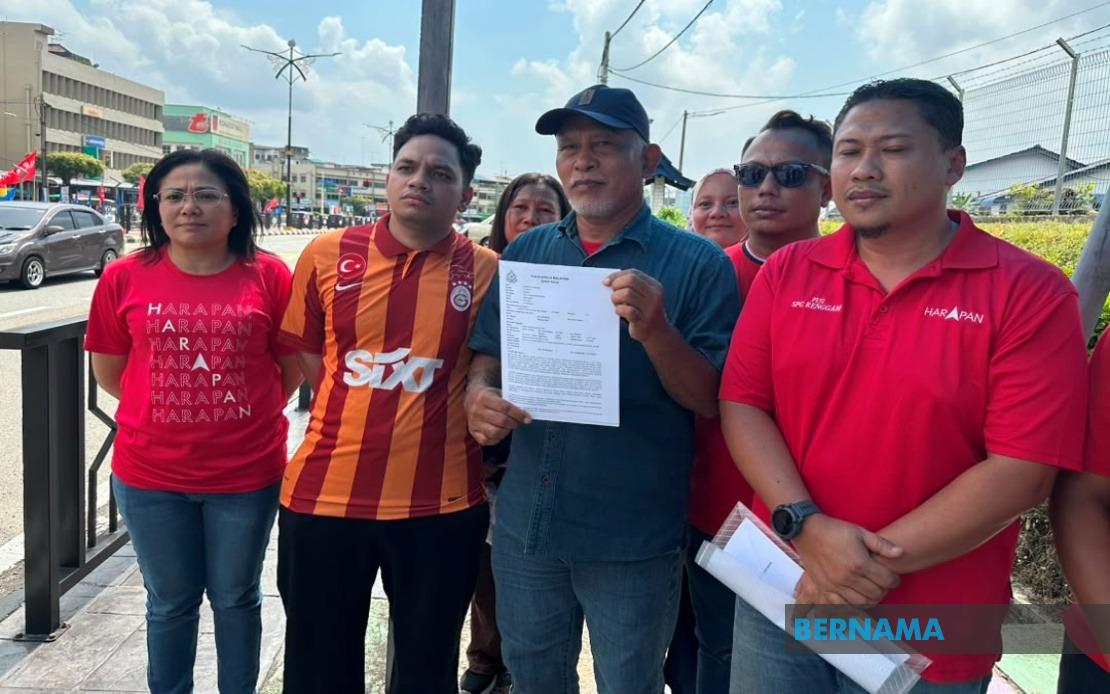
The representative backing the Pakatan Harapan candidate contesting the Machap state seat has escalated election-related tensions by filing a formal police complaint against Johor Menteri Besar Datuk Onn Hafiz Ghazi. The allegation centres on what the complainant characterises as systematic efforts to channel vocational education students into Barisan Nasional campaign programmes during the state election period. The report was lodged at the Simpang Renggam district police headquarters, signalling the beginning of what could become a protracted investigation into campaign conduct as voters prepare to cast ballots in the 56-seat Johor state assembly election.
Khiru Nasir Rohani, who holds the position of Simpang Renggam Amanah deputy division chief alongside his role representing the opposition alliance's interests in Machap, contends that a coordinated campaign existed to manipulate students from technical and vocational training establishments. According to his account, these institutions were leveraged to deliver attendance at events designed primarily to mobilise political support for government-aligned candidates. The assertion touches on a sensitive dimension of Malaysian electoral politics: the boundary between administrative engagement and partisan campaigning, particularly when state resources and government-linked institutions become intertwined with election machinery.
The specific complaint references a gathering held in Kluang on July 4, which allegedly involved TVET students who were required to attend. While framed initially as an educational or vocational programme, the event apparently functioned as a platform for overt political campaigning supporting state election contenders. This pattern of activity, if substantiated, would represent precisely the kind of institutional capture that electoral regulations seek to prevent. The Election Offences Act 1954 contains explicit provisions designed to guard against undue influence and the misuse of official capacity or institutional resources for partisan advantage—legal frameworks that Khiru Nasir contends have been transgressed.
The complaint's elevation to law enforcement introduces complexity into Johor's competitive electoral landscape. With 172 candidates vying for the 56 state positions available, the campaign has grown increasingly intense across the peninsula's southern state. The injection of allegations regarding improper use of government machinery and educational institutions adds another dimension to the contest beyond conventional campaign rhetoric and policy disagreements. For Malaysian voters monitoring the conduct of elections, such complaints underscore the need for robust institutional oversight to maintain public confidence in democratic processes.
Khiru Nasir has specifically called upon three institutional bodies to conduct comprehensive investigations: the Royal Malaysia Police, the Malaysian Anti-Corruption Commission, and the Election Commission. This triple appeal reflects the multifaceted nature of the allegations, which encompass potential breaches of electoral law, possible corruption through abuse of position, and systemic misuse of government institutions. Each agency brings distinct investigative mandates and expertise to bear on such matters. The police would examine potential criminal violations, the MACC would assess whether corruption elements exist, and the Election Commission would evaluate whether campaign rules have been breached.
The timing of the complaint carries significance as voters in Johor prepare to make their electoral choices. With polling day scheduled immediately, any investigation would necessarily unfold after electoral outcomes are determined. This delay raises questions about the practical impact such inquiries might have on electoral accountability. Nonetheless, the filing establishes a formal record and creates institutional responsibility to examine the allegations thoroughly, regardless of when findings emerge or what remedies might ultimately apply.
Such allegations reflect broader patterns observed across Malaysian elections regarding the temptation for those in administrative power to leverage institutional resources and captive audiences for electoral benefit. Educational institutions, particularly those serving younger populations through vocational training, present particular vulnerabilities. Students attending mandatory or quasi-mandatory programmes may face implicit pressure to participate in politically aligned activities, creating an asymmetric power dynamic that electoral law seeks to prevent.
The complaint mechanism itself demonstrates how opposition parties monitor and challenge potentially improper campaign conduct. By lodging formal reports, representatives create documentary records and invoke institutional investigation processes. However, the effectiveness of such mechanisms depends substantially on whether investigating agencies possess sufficient independence and resources to conduct genuinely impartial inquiries. Malaysian observers will be watching whether the police, MACC, and Election Commission pursue vigorous investigations or whether such complaints become routine during election seasons without producing meaningful accountability.
The broader context involves longstanding debates about the relationship between government machinery and electoral competition in Malaysia. Incumbents typically possess advantages through administrative reach and institutional access. Opposition parties argue these structural advantages frequently translate into improper use of state resources. Government representatives contend that administrative functions and electoral activities, though occurring simultaneously, remain appropriately separated. This latest complaint in Johor exemplifies the recurring tension between these positions and the difficulty of clearly demarcating legitimate administrative engagement from illegitimate partisan advantage.
Looking ahead, the outcome of investigations into the TVET allegations could carry implications for how future campaigns are conducted in Johor and potentially across Malaysia. If investigators substantiate the claims and recommend sanctions, the precedent would signal that such institutional misuse carries consequences. Conversely, if investigations conclude that no violations occurred, the incident would demonstrate that opposition parties' monitoring, while important, does not automatically translate into confirmed breaches. Either outcome will shape how political actors assess the risks and benefits of mobilising institutional resources for campaign purposes in coming elections.

