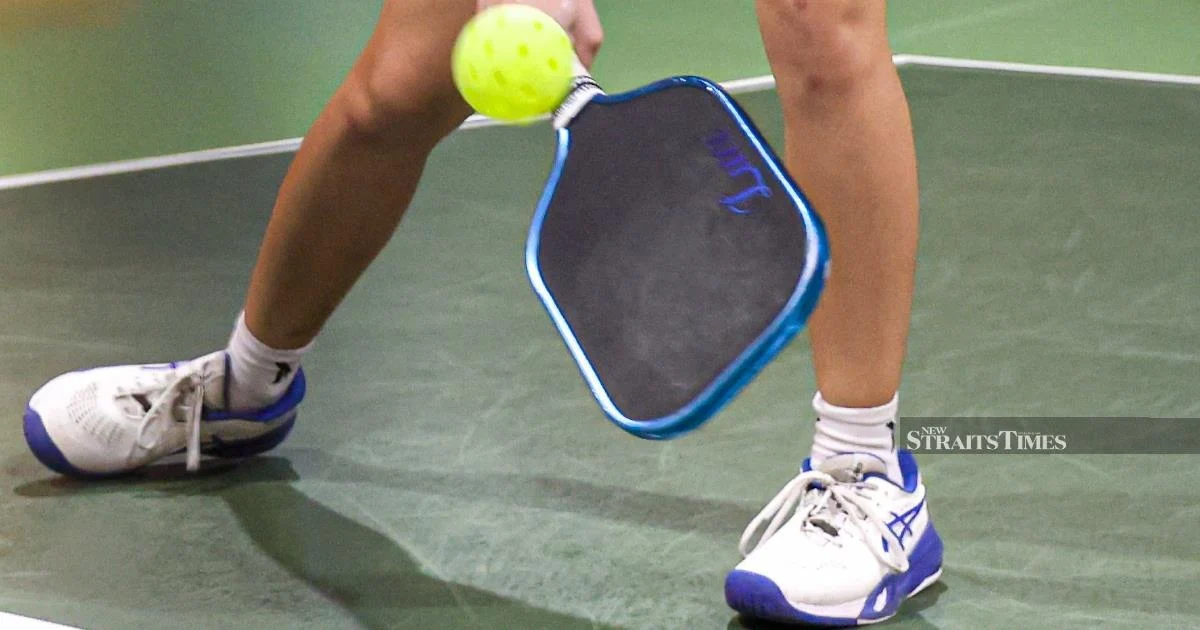
A late-night pickleball game in Petaling Jaya has become the focal point of a nationwide conversation about recreational facility management, with the incident prompting demands that local councils exert firmer control over where such courts can be established and when they should operate. The row, which gained significant traction on social media, has exposed what many community leaders regard as a regulatory gap in how sports facilities are approved and managed in high-density residential zones.
The fundamental issue underlying the dispute centres on the lack of consistent protocols governing the installation and operation of pickleball courts in urban areas. Currently, various councils across the Klang Valley and other regions appear to operate under different standards, creating confusion among both facility operators and neighbouring residents. What constitutes acceptable operating hours in one municipal jurisdiction may differ markedly from regulations in another, leaving residents with limited recourse when noise disturbances occur during late evening or early morning periods.
Pickleball has experienced explosive growth across Southeast Asia over the past two years, with Malaysia emerging as one of the region's fastest-growing markets for the sport. Enthusiasts praise its accessibility compared to tennis, citing lower entry barriers in terms of equipment costs, physical demands, and court availability. However, this rapid expansion has outpaced the institutional frameworks designed to manage its social impacts, particularly regarding noise pollution and community relations in densely populated areas where courts are increasingly being built.
The Petaling Jaya incident underscores the collision between commercial recreational interests and residential peace. Residents living adjacent to or near pickleball facilities report that paddle strikes and shouting from players can create significant noise disturbances, especially when matches extend into late hours. The issue is compounded when courts are located in mixed-use developments or housing estates where families, shift workers, and elderly residents depend on evening and early-morning rest periods. Without coordinated standards, individual councils have struggled to address complaints effectively.
Local government officials have indicated growing openness to implementing more stringent approval processes. Several municipal authorities in the Selangor region have begun exploring frameworks that would require facility developers to submit noise impact assessments and detailed operating hour proposals as part of their approval applications. This represents a significant shift from the current approach, where many courts have been approved with minimal community consultation or impact analysis.
The regulatory landscape in Malaysia currently lacks a unified national standard for sports facility approval at the local authority level. While building permits and safety certifications are required across jurisdictions, environmental and community impact considerations remain inconsistently applied. Some councils have sought guidance from neighbouring Singapore, where the Urban Redevelopment Authority implements detailed specifications for recreational facilities, including mandatory sound-dampening measures and restricted operating hours in residential proximity zones.
Community groups and resident associations have begun advocating for a standardized framework that would establish clear boundaries around court locations, mandate noise mitigation technologies such as acoustic barriers and composite court surfaces, and enforce reasonable operating windows that respect residential sleep patterns. These proposals reflect international best practices, where cities like Melbourne and Sydney have implemented similar requirements while maintaining vibrant recreational cultures. The financial costs of such upgrades, however, remain a point of contention, with facility operators concerned that stricter regulations could reduce profitability and potentially discourage investment in community sports infrastructure.
The broader implications of this dispute extend beyond pickleball itself, touching on how Malaysia manages the proliferation of recreational facilities in urban environments. As urbanization accelerates and residents seek healthier lifestyles through sports participation, the pressure on available land intensifies. Courts for badminton, tennis, and other sports already compete for limited municipal space. The pickleball situation thus represents a test case for how local authorities balance community demands for recreational opportunities with residents' expectations of peaceful living environments.
Industry stakeholders have begun engaging with local councils on collaborative solutions that could satisfy both groups. Proposed measures include designated quiet hours during weekdays, mandatory closure between 11 p.m. and 7 a.m., acoustic engineering requirements for new facilities, and community notification mechanisms that allow neighbours to stay informed about facility operations. Some forward-thinking facility operators in Kuala Lumpur and Selangor have voluntarily implemented such measures, recognizing that long-term business viability depends on maintaining positive community relationships.
The viral nature of the Petaling Jaya dispute has elevated the issue beyond local council discussions, attracting media attention and social media engagement that has influenced public discourse. Residents in other areas have begun scrutinizing existing pickleball courts in their neighbourhoods, with several cases now pending before local authorities. This grassroots momentum may ultimately accelerate council reforms more effectively than regulatory lobbying.
Looking ahead, experts anticipate that within the next six to twelve months, several major local councils will issue updated guidelines on recreational facility approvals. These frameworks will likely include consultation periods, environmental impact assessments, and binding operating hour agreements. The challenge will be implementing these standards retrospectively for existing facilities without triggering backlash from established operators.
Ultimately, the pickleball row reflects a maturing conversation about urban planning and quality of life in Malaysia's metropolitan areas. As the nation continues to develop, balancing development interests with residential amenity becomes increasingly critical. The outcome of this dispute will likely influence how future recreational facilities are managed, setting precedents that extend well beyond the sport itself and shaping the character of Malaysian neighbourhoods for years to come.

