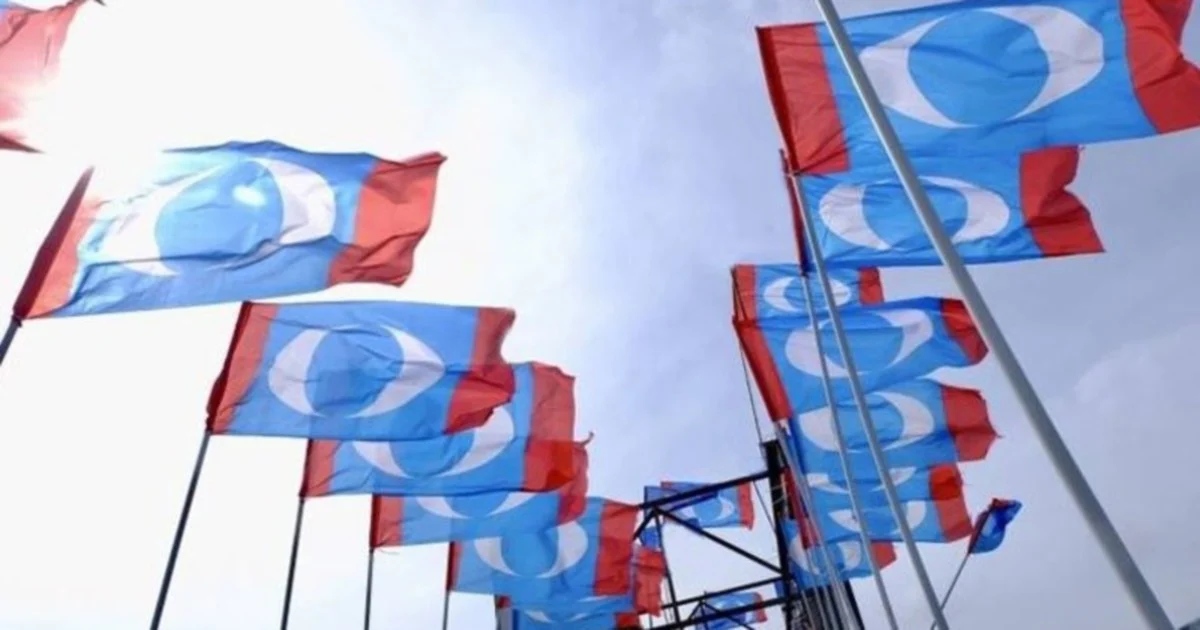
PKR's candidate selection process for the forthcoming Johor and Negri Sembilan state elections has reached its final stages, with party secretary-general Datuk Dr Fuziah Salleh confirming that the roster is now 99 per cent complete. The announcement signals that the People's Justice Party is advancing systematically toward the polling dates, having invested considerable effort in vetting and selecting contenders across multiple constituencies in these two key states.
The near-completion of the candidate list represents a significant operational milestone for PKR as it enters the intensive phase of campaign preparation. With candidates identified across virtually all contested seats, the party can now pivot toward mobilising its grassroots machinery, deploying resources strategically, and launching public-facing campaign initiatives. This timing allows party leaders several weeks to coordinate between headquarters and state branches, ensuring coherent messaging and synchronized campaign logistics.
Johor and Negri Sembilan represent distinct political terrains for PKR. Johor, Malaysia's second-largest state by population, has historically been dominated by Barisan Nasional with pockets of opposition strength in urban centres and certain rural constituencies. Negri Sembilan, by contrast, has seen more competitive contests with shifting coalitional dynamics. The party's candidate selection process must therefore balance between fielding seasoned incumbents where PKR holds ground and identifying fresh, credible challengers in Barisan strongholds where breakthrough is feasible.
The one per cent of remaining candidates still being finalised likely involves either deeply competitive internal selection processes where multiple strong contenders competed for nomination, or constituencies where logistical or candidate availability issues required last-minute resolution. Such situations typically emerge in marginal seats where winning chances are genuinely unpredictable, or in areas where the party sought to negotiate seat allocations with coalition partners, particularly Amanah and other Pakatan Harapan members if such arrangements are in place.
Candidate selection in Malaysian politics carries weighty implications beyond mere administrative completion. The individuals chosen carry the party's brand into communities, embody its values, and determine whether PKR can expand its voter base or merely consolidate existing supporters. Poor candidate choices can alienate local communities, whilst inspired selections can generate enthusiasm that translates into campaign momentum and eventual voting behaviour. The extended timeline Fuziah's announcement implies reflects recognition of these stakes.
For PKR specifically, candidate quality remains crucial given the party's aspirations to grow beyond its urban and middle-class base. The organisation has periodically struggled with perception of dynastic politics and internal factionalism, issues that candidate selection can either exacerbate or address. Fielding candidates with strong local credentials, visible community service records, and demonstrated integrity becomes both a competitive necessity and an opportunity to reshape party narrative.
The Johor and Negri Sembilan state elections must occur by late 2025 based on Malaysia's constitutional framework, though exact dates remain subject to state government decisions. This timing creates urgency around finalising campaign infrastructure whilst allowing adequate preparation time. Other Malaysian states have demonstrated that campaigns often require four to eight weeks of sustained activity for optimal impact, meaning PKR's near-complete roster positions the party appropriately within normal electoral calendars.
Inter-coalition dynamics will significantly influence these elections' outcomes. PKR's relationship with DAP, Amanah, and other Pakatan partners will determine whether opposition votes consolidate behind single candidates or fragment across multiple contenders. Any seat-sharing arrangement must be concluded and communicated to candidate selection teams, reducing uncertainty that could otherwise delay finalisation. The 99 per cent completion figure suggests such coordination is substantially advanced, though final negotiations may still be ongoing.
The Malaysian political landscape has shifted substantially since the 2018 upheaval that brought Pakatan to federal power before internal collapse in 2020 and subsequent reconsolidation. State elections occurring in 2025 will partially reflect voter sentiment about current Prime Minister Anwar Ibrahim's administration and economic management, particularly inflation impacts on middle and working-class households. PKR's electoral strategy must therefore balance attacking opposition governments whilst defending federal performance records.
Geographically, Johor's significance to PKR cannot be overstated. The state remains crucial to any conceivable Pakatan federal majority given its substantial parliamentary seat allocation. Similarly, Negri Sembilan's proximity to Kuala Lumpur and growing suburban character make it increasingly competitive. Strong performances in both states would substantially boost PKR's narrative of growing national relevance, whilst poor results might trigger internal recriminations about candidate quality or campaign execution.
Fuziah's announcement comes amid broader Malaysian political activity as multiple states prepare for elections across 2025. The cumulative effect of numerous state contests creates extended campaign periods and voter fatigue but also concentrates media attention on political issues. For PKR, successfully articulating distinct positions on local issues whilst maintaining coalition coherence across these contests will test party discipline and message consistency.

