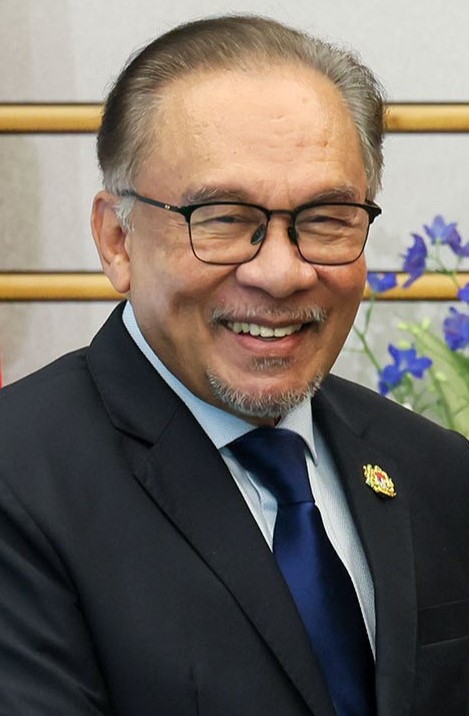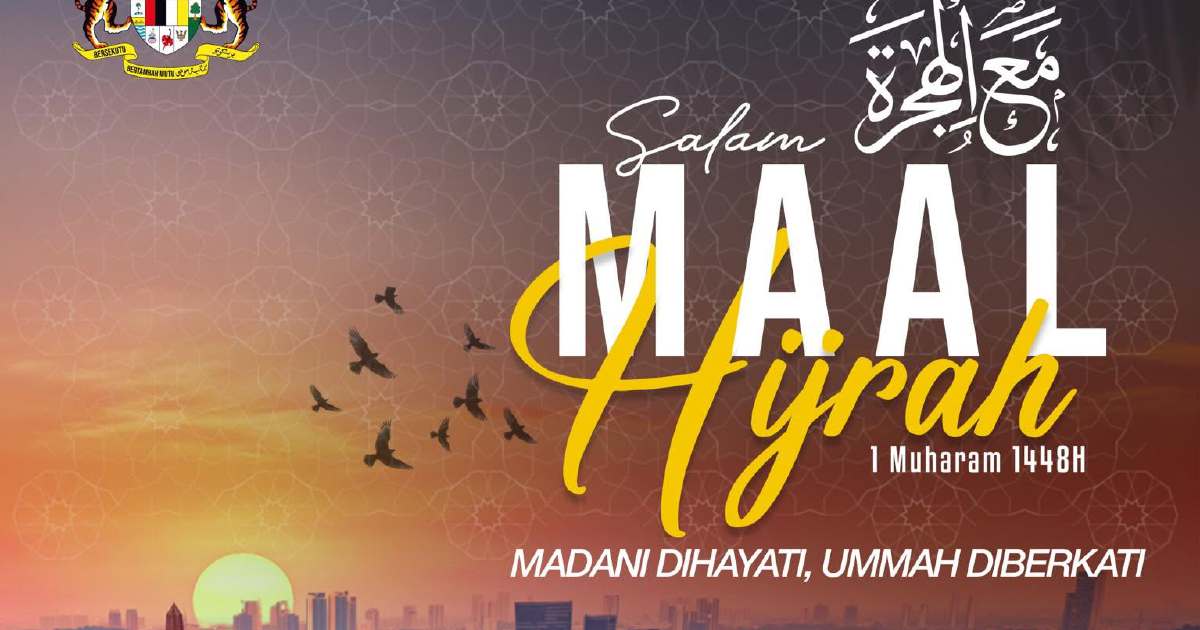
Prime Minister Datuk Seri Anwar Ibrahim has urged the nation to embrace the Hijrah spirit, framing it as a foundational concept for building a Malaysia centred on truth, prosperity and security. The call reflects Anwar's broader vision of integrating spiritual and ethical values with contemporary governance, appealing to both religious and secular constituencies within the multicultural nation.
The Hijrah concept, rooted in Islamic tradition, represents a transformative journey undertaken with purposeful intent and moral clarity. For Anwar, invoking this principle appears designed to transcend purely religious discourse and position it as a shared national value applicable across Malaysia's diverse communities. This rhetorical strategy mirrors how other Muslim-majority nations have adapted classical Islamic concepts to serve as inclusive national narratives.
Truth, as emphasised by Anwar, connects directly to his administration's transparency and accountability agenda. Since taking office, the Prime Minister has championed institutional reform and combating corruption, treating honest governance as foundational to public trust. By anchoring this within the Hijrah framework, Anwar contextualises anti-corruption efforts and institutional accountability not merely as technical policy matters but as moral imperatives rooted in shared values.
Prosperity forms the second pillar of Anwar's articulation. Malaysia faces persistent economic pressures including inflation, employment restructuring due to automation and rapid shifts in global supply chains. The emphasis on prosperity through Hijrah suggests a development model grounded in ethical principles rather than the extraction-focused or short-termist approaches that have occasionally characterised past economic strategies. This positioning could influence how the government frames policies on wealth distribution, small business support and sectoral development.
Security, the third component, holds particular resonance in contemporary Malaysian context. The nation has experienced periodic communal tensions, threats from transnational extremism and regional security anxieties. Anwar's invocation of security within the Hijrah framework suggests a vision where national cohesion and physical safety rest upon ethical foundations and shared moral commitment rather than security apparatus alone. This approach acknowledges that sustainable security emerges from societal legitimacy and cultural coherence.
The timing of such calls matters significantly. Malaysia continues navigating post-pandemic economic recovery, political consolidation after significant electoral shifts, and demographic transitions affecting workforce and consumer patterns. Injecting Hijrah philosophy into national discourse potentially provides ideological scaffolding during periods of institutional and social transition, offering continuity of purpose even as specific policies evolve.
For Southeast Asian observers, Anwar's framing merits attention as a model of how explicitly religious concepts can be deployed within secular governance frameworks. Unlike theocratic approaches, Anwar appears positioning Hijrah as a voluntary spiritual discipline that Malaysians of all backgrounds might adopt rather than a mandatory religious imposition. This distinction carries implications for how Malaysia might manage religious dimensions of public policy while maintaining democratic pluralism.
The invocation also carries personal resonance given Anwar's own trajectory. His history spans Islamist activism, political imprisonment, reformasi campaigns and ultimately ascension to the premiership. A personal Hijrah narrative—transformation through adversity toward moral clarity—arguably underpins his public messaging. This authenticity, whether intended or perceived, lends persuasive weight to calls for national spiritual renewal.
Implementing such ideals across bureaucratic and commercial structures presents substantive challenges. Translating abstract principles of truth, prosperity and security into concrete institutional practices, accountability mechanisms and policy specifications requires detailed conceptual work. Malaysian policymakers and civil society will determine whether Hijrah becomes merely rhetorical flourish or genuinely reshapes incentive structures within government, business and civil organisations.
The response from Malaysia's opposition parties, civil society groups and religious scholars will likely prove revealing. Some may view the invocation as appropriately inclusive, while others might perceive it as inadequately secular or conversely as insufficiently rigorous spiritually. Such debates themselves reflect the genuine pluralism within Malaysian society regarding how faith and governance should interrelate.
International dimensions also warrant consideration. Malaysia's regional positioning increasingly involves balancing relationships with Islamic states, secular neighbours and Western partners. Prominent articulation of Hijrah philosophy might strengthen relationships with Organisation of Islamic Cooperation members while requiring careful communication to reassure secular and non-Muslim constituencies about inclusive governance intent.
Moving forward, observing how Anwar's administration operationalises these principles through specific initiatives—whether anti-corruption enforcement, economic stimulus design or religious harmony programmes—will reveal the substantive commitment behind the rhetoric. The Hijrah call simultaneously positions Malaysia within a broader Islamic intellectual discourse while attempting to transcend sectarian boundaries, a balancing act that Malaysia's subsequent policy trajectory will either vindicate or undermine.