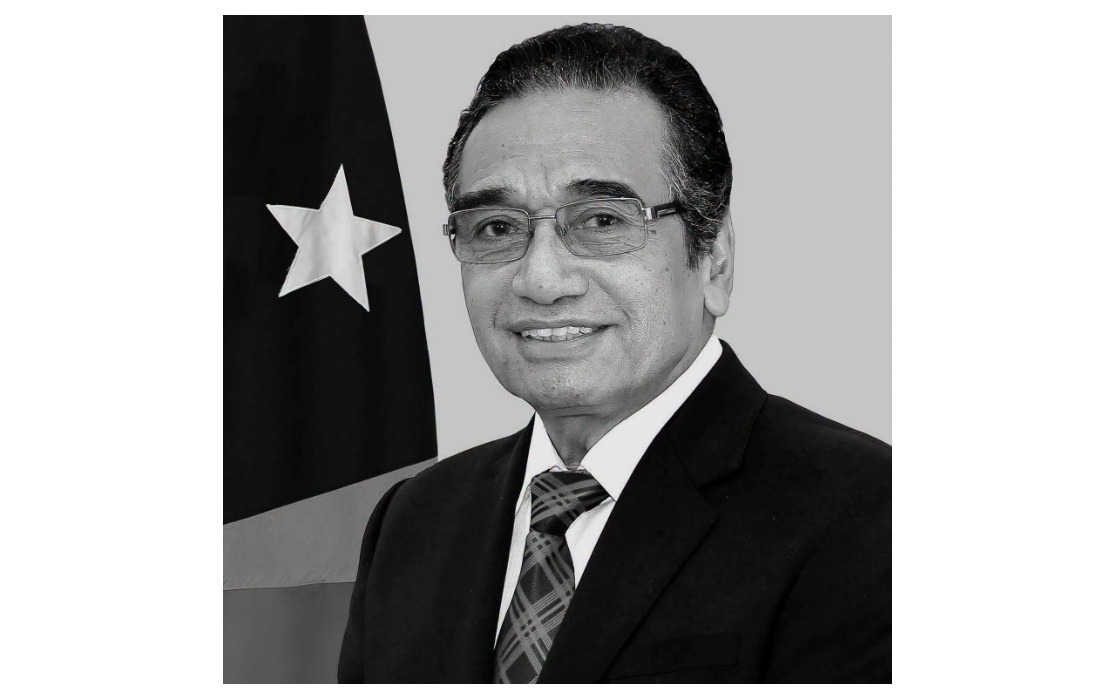
Prime Minister Datuk Seri Anwar Ibrahim has conveyed Malaysia's formal condolences to Timor-Leste following the death of Francisco Guterres, the Southeast Asian nation's former head of state, who passed away at a medical facility in Kuala Lumpur after an extended period of treatment. The Prime Minister's tribute, shared via social media on June 22, underscores the bilateral diplomatic ties between Malaysia and its smaller regional neighbour, whilst honouring the legacy of a leader who shaped Timor-Leste's contemporary political trajectory.
Guterres, aged 71, occupied a towering position in Timor-Leste's collective historical consciousness as one of the generation that shouldered the nation's protracted struggle for sovereignty and self-determination. During his years embedded within the resistance movement, he became widely recognised by the nom de guerre Lú-Olo, a moniker that carried symbolic weight within independence circles. This clandestine period of his life represented a formative chapter before his emergence into formal state institutions and public leadership roles.
The former president's institutional contributions extended across multiple domains of Timorese governance. Prior to his tenure as Head of State, Guterres held the position of President of the National Parliament, positioning him as a custodian of legislative processes during critical phases of democratic consolidation. His presidential mandate, spanning from 2017 until 2022, positioned him as a ceremonial and symbolic anchor during a volatile period when Timor-Leste navigated post-independence political complexities and institutional maturation.
In his statement, Anwar acknowledged the profound personal sacrifice and principled commitment that characterised Guterres' life trajectory. The Prime Minister highlighted how the deceased had remained steadfastly devoted to securing and safeguarding his people's freedom whilst simultaneously shepherding the construction of democratic institutions and constitutional frameworks. This emphasis on nation-building alongside liberation reflects Malaysia's recognition of the broader Southeast Asian narrative of decolonisation and institutional development that the two nations share in different historical contexts.
The diplomatic language employed by Anwar carries particular significance given Malaysia's historical role as a vocal proponent of self-determination principles within international forums. By positioning Guterres within the broader continuum of independence leaders, the Prime Minister's condolence draws implicit parallels with Malaysia's own experience of postcolonial state-formation, thereby lending gravitas to Timor-Leste's relatively recent achievement of full sovereignty in 2002.
Guterres' passing in Kuala Lumpur, as reported by Dili-based Timor Today News, represents a poignant circumstance wherein a neighbouring nation's iconic figure departed on Malaysian soil during the course of receiving advanced medical care. This practical dimension underscores the existing healthcare relationships and medical tourism flows between Southeast Asian nations, particularly the reliance of regional elites upon Malaysia's sophisticated medical infrastructure. The choice of Prince Court Hospital as the location of his final treatment and passing speaks to institutional networks and personal relationships that transcend formal state boundaries.
The timing and substance of Anwar's public condolence reflect established diplomatic protocols whilst simultaneously acknowledging the personal dimensions of leadership transitions. Within Southeast Asian political culture, such tributes serve multiple functions: they affirm bilateral relationships, honour historical struggles for sovereignty that resonate across the region, and establish narratives about which leaders and legacies merit commemorative recognition at the highest state levels.
Timor-Leste's political landscape has undergone substantial evolution since Guterres concluded his presidential tenure. The nation continues navigating the complexities of resource management, regional security positioning, and democratic institutionalisation that characterise post-conflict societies. Guterres' generation of independence leaders, now gradually transitioning from active governance, represents a critical historical bridge between armed resistance and constitutional democracy—a transition that remains fragile across multiple Southeast Asian contexts.
The broader significance of Guterres' life extends beyond individual biographical narrative into the collective Southeast Asian project of postcolonial state-building and democratic experimentation. His resistance credentials combined with his eventual elevation to constitutional leadership positions exemplified a particular pathway through which nationalist movements have institutionalised themselves across the region. Malaysia, as an older established state within Southeast Asia, recognises in Timor-Leste's trajectory echoes of its own historical experience, albeit compressed into an accelerated timeframe.
Anwar's characterisation of Guterres as someone who will be "remembered here with respect and affection" suggests the cultivation of regional historical consciousness wherein leaders who embody struggles for freedom acquire transcendent status within neighbouring societies. This emotional register in diplomatic communication indicates the depth of solidarity that binds Southeast Asian nations through shared experiences of colonialism, decolonisation, and the ongoing challenges of institutional development and regional integration.
The passing of figures such as Guterres prompts reflection within the region regarding the sustainability of democratic gains, the transmission of nationalist values to subsequent generations, and the institutional capacity of younger states to manage leadership transitions without reverting to authoritarian patterns. Malaysia, having navigated multiple transitions since independence, observes these dynamics within newer regional neighbours with considerable interest and investment in their successful democratic consolidation.

