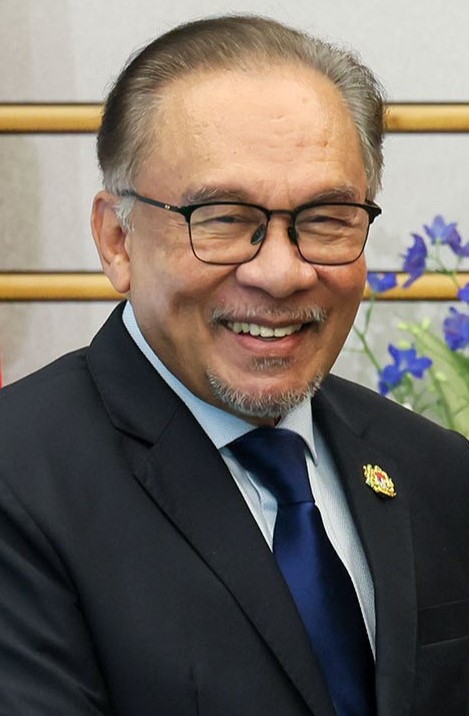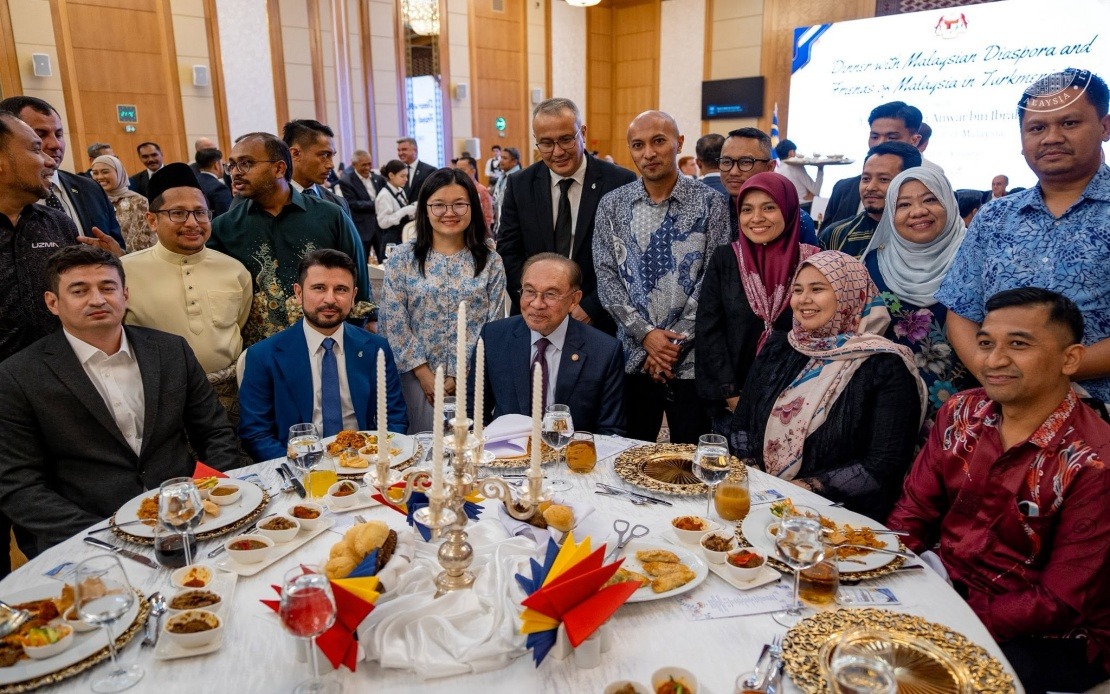
Prime Minister Datuk Seri Anwar Ibrahim has prioritised engagement with the Malaysian diaspora during his current official visit to Turkmenistan, dedicating time to meet with compatriots in Ashgabat despite his packed diplomatic schedule. The encounter underscores a deliberate strategy by the MADANI Government to maintain active lines of communication with Malaysians living abroad, recognising them as vital contributors to the nation's global standing and soft power.
During the gathering, Anwar impressed upon the diaspora community the importance of remaining connected to developments back home, encouraging them to follow Malaysia's evolving trajectory. He articulated a vision of the diaspora as strategic assets in nation-building—individuals whose everyday choices, professional achievements, and personal conduct abroad directly shape how Malaysia is perceived internationally. By framing this relationship as one of mutual responsibility, the Prime Minister sought to invigorate a sense of collective purpose among those who have chosen to live and work beyond Malaysian shores.
In his subsequent Facebook post reflecting on the meeting, Anwar characterised the encounter as surprisingly warm and intimate, noting that the emotional connection transcended the geographical distance separating Ashgabat from Kuala Lumpur. This rhetorical framing serves to emphasise Malaysia's capacity to maintain cultural cohesion across borders, suggesting that the bonds of citizenship and shared identity remain robust regardless of physical location. The Prime Minister's emphasis on the "spirit and warmth" of the gathering speaks to a broader narrative about Malaysian identity and belonging that extends beyond territorial boundaries.
Central to Anwar's message is the conceptualisation of overseas Malaysians as "unofficial ambassadors" actively engaged in advancing the nation's reputation and dignity. This terminology carries significant implications, positioning diaspora members as extensions of Malaysia's diplomatic apparatus without formal governmental structure. They serve, in effect, as cultural and professional emissaries whose networks span continents and whose expertise enriches Malaysia's international presence. This framing also implicitly acknowledges that Malaysia's influence and soft power depend substantially on the accomplishments and conduct of its citizens scattered across the globe.
The Prime Minister's visit to Turkmenistan represents a deliberate broadening of Malaysia's engagement with Central Asian nations, a region historically peripheral to Malaysian foreign policy focus. Anwar's first official visit to Turkmenistan, occurring at the invitation of President Serdar Berdimuhamedov, follows Berdimuhamedov's reciprocal visit to Malaysia in December 2024. This pattern of high-level exchanges signals a commitment to elevating bilateral relations beyond ceremonial courtesy into substantive partnership. For Malaysian policymakers and analysts, the Central Asian outreach reflects recognition that emerging opportunities exist in markets and regions traditionally overlooked by Kuala Lumpur's diplomatic calculus.
Anwar elaborated that the Turkmenistan visit encompasses objectives far broader than conventional trade and investment discussions. While economic cooperation remains important, he framed the visit as an opportunity to deepen mutual understanding between nations, forge genuine friendships at governmental and people-to-people levels, and identify collaborative possibilities that serve mutual interests. This multidimensional approach to bilateral engagement reflects a sophisticated understanding that sustainable international relationships are built on foundations deeper than transactional commercial arrangements. The emphasis on friendship and understanding suggests that Malaysia views Turkmenistan not merely as a commercial opportunity but as a genuine partner in regional cooperation.
For Malaysian expatriates in Central Asia, Anwar's visit and direct engagement carry symbolic significance beyond the immediate meeting. It signals that the government recognises and values their presence abroad, that they are not forgotten by policymakers in Kuala Lumpur, and that the government actively seeks to maintain institutional relationships with overseas communities. This attention to diaspora engagement has become increasingly important in an era when Malaysians are distributed globally, contributing substantially to remittance flows, technology transfer, and cultural representation. The Prime Minister's personal investment in meeting diaspora members sends a message that their contributions matter and that the government views them as stakeholders in Malaysia's national project.
The gathering in Ashgabat also reflects a broader strategic pivot within MADANI Government policy toward proactive diaspora engagement. Rather than viewing overseas Malaysians as individuals who have departed the national fold, the government appears to be adopting an inclusive posture that welcomes their input, seeks their perspective on global developments, and positions them as resource networks for Malaysia's international aspirations. This represents a departure from more traditional frameworks that sometimes regarded emigration with ambivalence. By actively cultivating relationships with diaspora communities, the MADANI Government is tapping into networks of expertise, influence, and cultural capital that can amplify Malaysia's voice and interests internationally.
From a Malaysian Southeast Asian perspective, the emphasis on diaspora engagement also speaks to broader questions about national competitiveness and talent retention. While some departures represent permanent brain drain, others reflect temporary professional development or personal choices that need not sever emotional and institutional ties. By maintaining strong connections with overseas Malaysians, the government preserves the possibility of future contributions, whether through return migration, knowledge exchange, or continued professional networking. This approach recognises that in an increasingly globalised world, national strength derives partly from the ability to leverage diaspora assets rather than viewing migration as primarily a loss.
Anwar's engagement in Ashgabat also demonstrates the practical reality that Malaysian diplomatic initiatives now routinely incorporate diaspora outreach as a standard component. Rather than treating meetings with overseas communities as peripheral activities or afterthoughts, the Prime Minister has deliberately allocated time to meet with Malaysians abroad, treating such encounters as integral to the diplomatic mission. This integration of diaspora engagement into high-level diplomacy suggests that the government recognises their role in advancing Malaysia's interests and in creating conditions where Malaysian citizens abroad can become more effective ambassadors and contributors to national development objectives.